The journey of a lifetime turned into tragedy: this is the extreme pilgrimage to Mount Kailash
The tragedy caused by a flood in the north of Nepal puts the focus on the most extreme and revered spiritual route in Asia, shared by Hindus, Buddhists, Jainists and followers of Bon.

-
CAT -
CAST
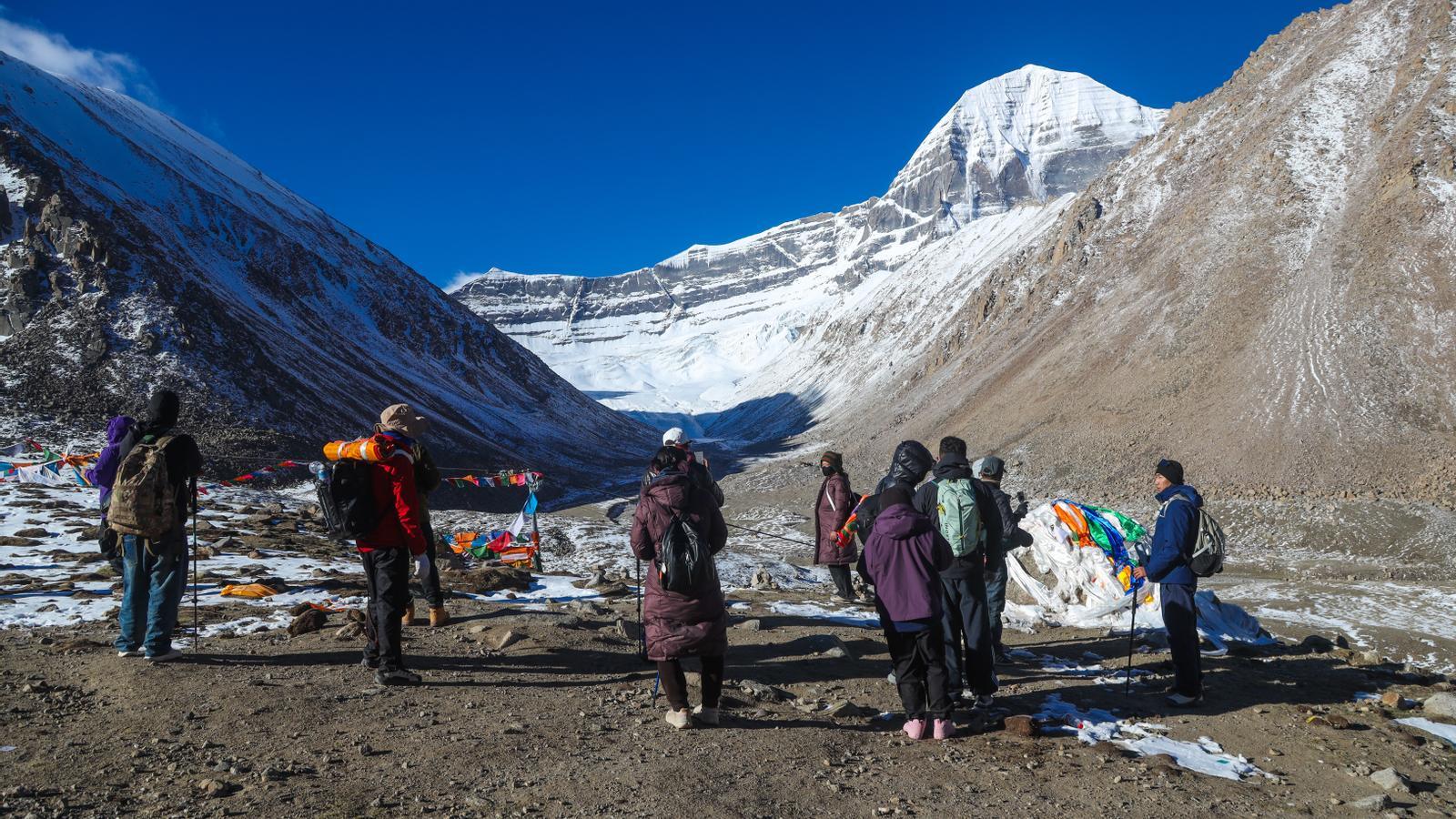
BarcelonaEvery summer, as the ice recedes on the high mountain passes of the Himalayas, thousands of faithful from all over the world embark on the most extreme and spiritual pilgrimage on the planet: the route to Mount Kailash and Lake Mansarovar, in Tibet. Revered as the center of the world by Hinduism, Buddhism, Jainism, and the Bön religion, the journey requires overcoming altitudes above 5,000 meters in an unparalleled test of devotion. This year, the peak season of August and September has been shaken by tragedy. A violent flood in northern Nepal, in the Rasuwa district – the gateway to the Tibetan border – has devastated bridges and roads and has so far claimed 250 lives and left over 1,500 missing,' highlighting the extreme risks of a journey that, for many believers, represents the ultimate spiritual experience.


