Olivia Sundberg: "The EU's migration reform wants to deny asylum to almost everyone who requests it"
EU Migration and Asylum Officer at Amnesty International
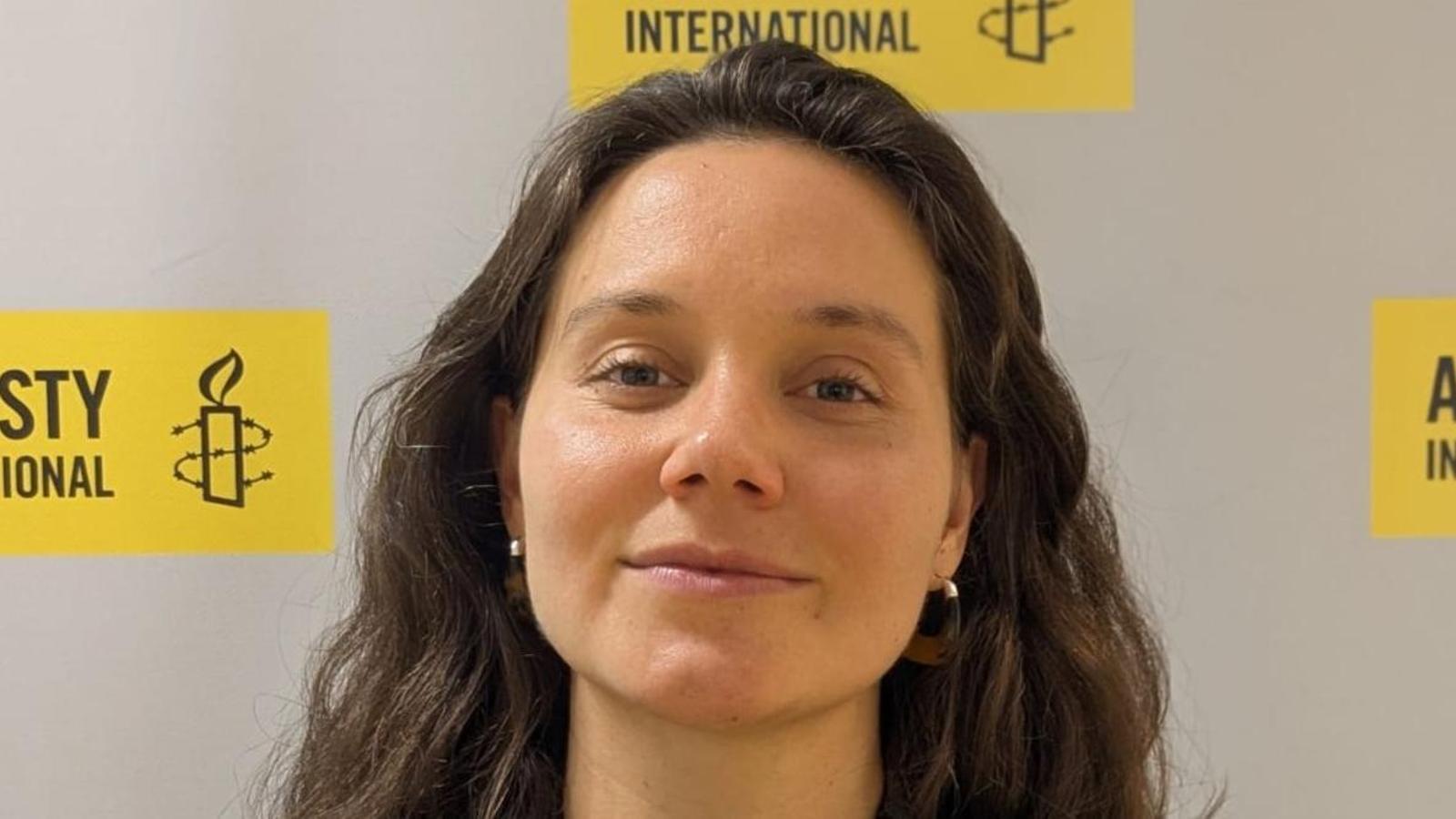

-
CAT -
CAST
BrusselsThis Friday, the European Union's major migration reform comes into effect. It aims to reduce the entry of newcomers into EU territory and, among other measures, tightens policies on asylum applications, increases border controls, and accelerates and intensifies deportation processes. We discuss this with the head of migration and asylum in the European Union for the NGO Amnesty International, Olivia Sundberg.
How do you assess the migration reform?
— There are quite a few worrying changes, and it generates many more risks for people who want to apply for asylum in the European Union. It creates new obstacles to accessing asylum and it is likely that many more detentions will occur at the borders. It is also likely to increase accelerated asylum procedures, which are less guaranteeing, allow less protection and less access to legal aid. And we are very concerned that the use of the concept of safe third country will increase.
What does this concept imply?
— The application can be rejected if the EU considers that there is a third country with which it has an agreement that can already grant asylum, even if it has no connection with the person concerned. It is a way to avoid an individual case-by-case analysis and opens the door to rejecting applications in a general way. They will no longer examine whether this person runs a risk of persecution in their country and if they genuinely fear for their life. This is what the United Kingdom tried to do with Rwanda.
Another of the highlights of the reform is the expansion of the list of safe countries. What does it imply?
— It includes countries that we do not believe are truly safe and also avoids analyzing each case individually. It should not be possible to determine that all people from a country or nationality do not receive international protection.

How do you see the possibility of applying exceptions in a migratory crisis situation?
— Will the distribution of migrants among member states really be mandatory?
Will the distribution of migrants among member states really be mandatory?
— What there will be is mandatory solidarity. That is to say, all governments will have to contribute in some way if they receive fewer asylum seekers. They will not be obliged to host those who arrive in countries that receive more, like Spain, but in return they will have to contribute in some way, for example with money, which can then be used for centers at the borders or for reception.
Do you think that, when it comes down to it, member states will be supportive?
— Solidarity will be scarce because there is not much interest. In other words, they will have to contribute in some way, but we will have to see how and to what extent. It is likely that in a significant portion of countries they will limit themselves to paying in exchange for not having to host. In the end, the objective of the pact is not this, but to reduce entries into the entire European Union.
And how do they intend to achieve it?
— They have sought new ways to externalize the management of the right to asylum with more border controls and everything related to return processes. In practice, this means they are offloading the responsibility of complying with European regulations onto third countries. They also want to increase and intensify deportations, and deny asylum to almost all those who request it.
