France and Germany bury the million-dollar project of a jointly manufactured fighter jet
The idea was to produce a fighter with Indra's participation too, but Airbus and Dassault have not reached an agreement after almost ten years

-
CAT -
CAST
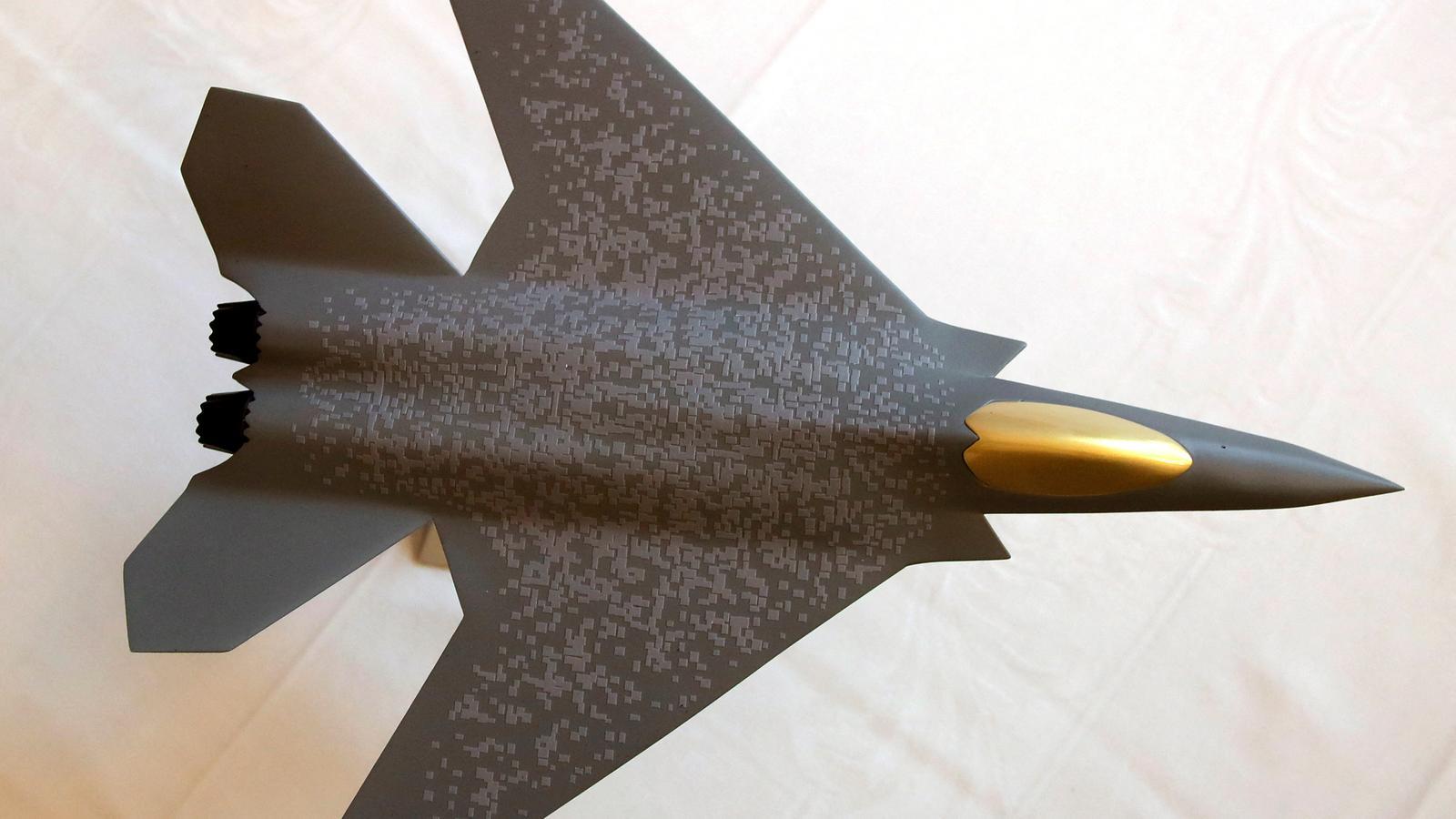
BarcelonaFrance and Germany have definitively buried a project that foresaw the development and joint manufacturing of a next-generation combat aircraft. It was one of Europe's most ambitious defense programs, valued at 100 billion euros, but discrepancies between the two main partners, Airbus and Dassault, have derailed the project, according to the German newspaper Der Spiegel and the agencies AFP and Reuters, which cite sources from the German government.
The idea of jointly developing and producing a sixth-generation fighter was born in 2017, at the initiative of French President Emmanuel Macron and then German Chancellor Angela Merkel. But in recent months it had become clear that it was not evolving favorably and there had been rumors of a possible cancellation for some time. Macron and German Chancellor Friedrich Merz discussed the project during the EU - Western Balkans summit in Montenegro last week and concluded that there was no possibility of unblocking it. The two leaders "reached a shared assessment that the companies will not be able to unite", as explained by an official to AFP.
The French government confirmed in a statement that the project has been canceled and pointed to Berlin: "The German authorities considered that it was not possible to put more pressure on the affected companies", stated the Élysée. "The French authorities will continue to encourage our companies and armed forces to explore ways and means to carry out ambitious European projects that are consistent with our national security interests", it added.
Over the past year – since Donald Trump returned to the White House – there has been a multiplication and increase in volume of statements from European leaders arguing that the European Union must gain military autonomy from an increasingly unreliable and unpredictable United States. However, the lack of agreement to move forward with the so-called FCAS (acronym for Future Combat Air System) calls into question the European club's ability to advance in this regard.
Spain, affected
The objective was for the new fighter to complement and eventually replace the French Rafale and the Eurofighter, used by Germany and Spain, around 2040. But Dassault and Airbus have failed to agree on who would be responsible for the development and manufacturing of the most important parts of the aircraft. Spain, which was involved in the project through Indra, also loses out with this cancellation. The company, the third major partner in the project, was named "national coordinator" of the future aircraft by the Spanish government in 2019, after Spain decided to join the project.
France, Germany, and Spain counted on an balanced participation of 33% each. But the dispute has focused on who would assume the main leadership in the production of the aircraft: Dassault or Airbus. Indra had remained on the sidelines of the controversy, as it was to participate in the development of software and sensors primarily for the drone network and other air defense systems that were to accompany the fighter. According to some media outlets, it is not ruled out that the project will continue to develop the remaining elements, without the aircraft.
Dassault Aviation, France's main contractor, had made it clear that it preferred to build the aircraft on its own if it was not granted a more significant leadership role. But the German partner opposed this and insisted on participating equally in decisions. According to some media outlets, Dassault insisted on being the main partner in the development of the aircraft to protect its intellectual property, while Airbus pushed for a more egalitarian partnership involving significant technology transfers.
In February of this year, Merz also pointed out that there were fundamental discrepancies between Germany and France on what the aircraft should be: "The French need, in the next generation of fighter aircraft, an aircraft capable of carrying nuclear weapons and operating from an aircraft carrier. That is not what we currently need in the German army," the chancellor said in an interview.
This breakdown is reminiscent of the time when France decided to withdraw from the European project that led to the manufacture of the Eurofighter in the 1980s. Paris participated at the beginning, but withdrew due to disagreements over the aircraft's operational requirements, and ended up developing its own fighter, the Dassault Rafale, on its own.
The manufacturing of a sixth-generation fighter jet would have placed Europe ahead of the United States, which has a fifth-generation fighter, Lockheed Martin's F-35.

