"A bomb fell on us and the roof collapsed": At least 400 killed in Pakistani attack on rehabilitation center in Kabul
It is the deadliest bombing in Afghanistan in recent months and represents a significant escalation of tensions.

-
CAT -
CAST
KabulPakistani airstrikes killed hundreds of patients after striking a major drug rehabilitation center in Kabul late on March 16, 2026, according to Taliban authorities, in one of the deadliest reported attacks in recent months. The strikes targeted multiple locations across Afghanistan, including sites in Kabul, Paktia, and Paktika provinces, amid escalating tensions between the Taliban and Pakistan.
In Kabul, the strikes hit two sites: the Omid drug rehabilitation center, a 2,000-bed facility, and a Taliban military site in the Qala-e-Siah Sang area. The attack began at approximately 8:50 PM local time, with residents across the city reporting loud explosions that were heard several kilometers away.
According to Taliban officials, Pakistani fighter jets dropped at least three bombs on the Omid rehabilitation center, striking three separate buildings. Authorities said each building housed around 200 patients at the time of the attack.
The Taliban-run Ministry of Public Health said at least 400 patients were killed and 250 others injured in the strike on the facility.
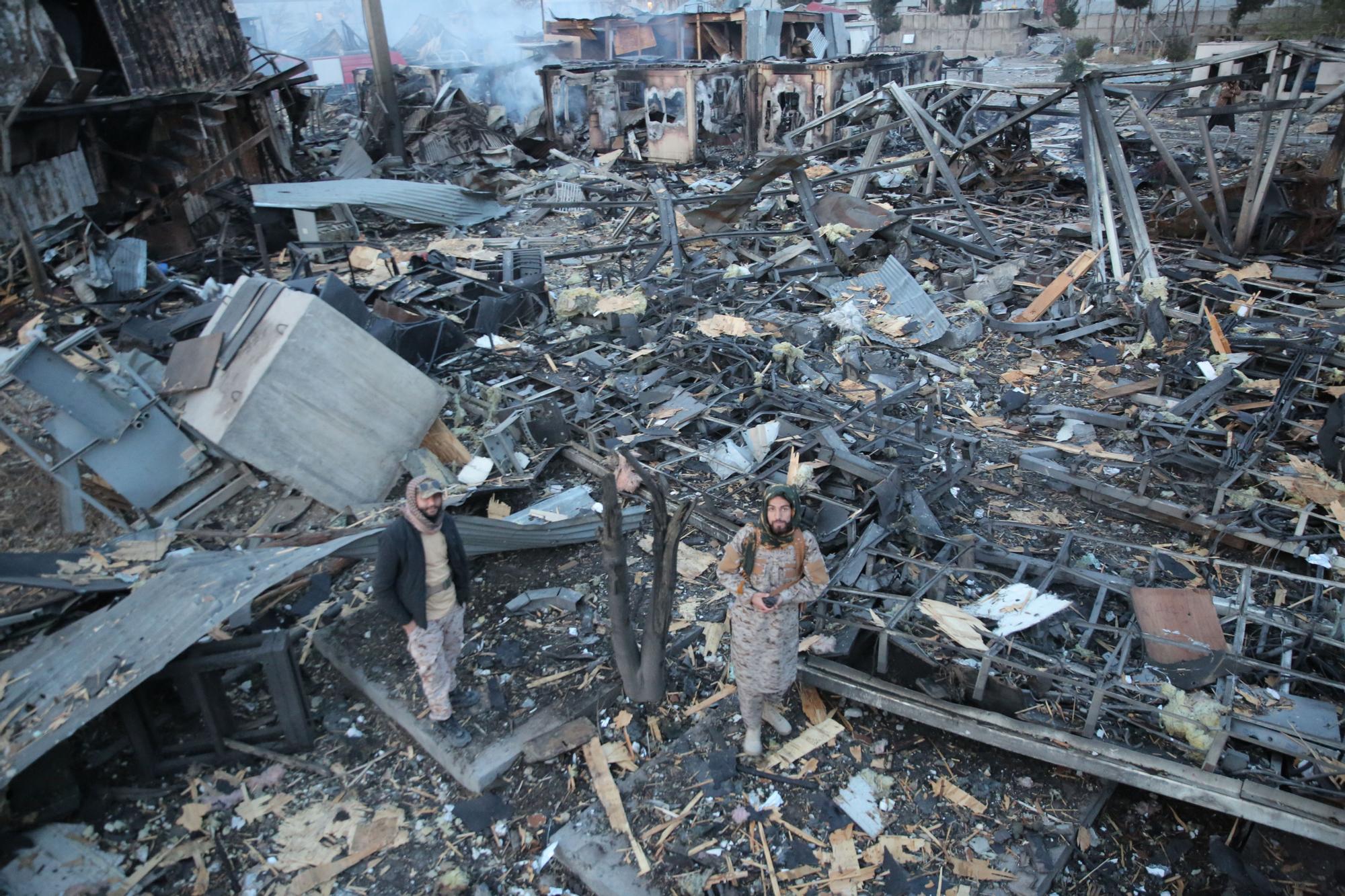
The Omid center was completely destroyed in the attack, leaving behind burned structures and debris. Survivors and injured patients were transferred to several hospitals across Kabul, including Wazir Akbar Khan Hospital, Emergency Hospital, and Sardar Mohammad Daoud Khan Military Hospital. Bodies of the victims were taken to Kabul’s forensic department.
Eyewitnesses described scenes of panic as explosions struck the area. One injured survivor said: “We had just gone to bed after evening prayers when I first heard gunfire and jets circling overhead. Within seconds, a bomb fell on us, and the roof collapsed.”

Search for survivors
Smoke was still rising from the site of the attack on Tuesday as rescue teams continued to search for survivors and recover bodies from the rubble. Teams from the Red Cross, Taliban ministries, and the Afghan Red Crescent were involved in the operation, which continued into the afternoon.
At the Kabul forensic department, I saw a large number of bodies. I had never seen so many people killed in one place before. I was told there were 92 bodies in the hall, though I did not count them myself; the total number appeared much higher. The floor was covered in blood. This section contained bodies that had been damaged and were not intact, while the intact bodies had been moved to the morgue on the lower floor. At the hospital, the main building was completely burned, and the surrounding structures were also damaged. Broken glass was scattered around the site.

The injured were placed on white sheets, and several people were transferring them to vehicles to take them to other hospitals. Many family members of the victims had gathered at the site. Men and women had come looking for relatives who had been admitted to the hospital. A mother was crying, saying, “My child is gone and destroyed; I cannot find them anywhere.” I spoke with a man who said he had visited two hospitals and not found his nephew, so he came to the center hoping to locate him.
Blow to diplomacy
Taliban spokesperson Zabihullah Mujahid said Pakistan had targeted the Omid rehabilitation center and condemned the strike as “brutal.” He warned that all diplomatic channels had been exhausted and that retaliation would follow. Taliban officials also said the victims would be buried collectively.
In a rare move, the Taliban called on journalists to visit the site of the strike and document the aftermath. Journalists from both domestic outlets and some foreign media organizations were present at the scene.
Pakistan, however, rejected claims that civilian infrastructure was targeted. In a statement posted on X, Information Minister Attaullah Tarar said the strikes in Kabul and Nangarhar were “precise, deliberate, and professional,” and that “no hospital, no drug rehabilitation centre, and no civilian facility was targeted.” He added that the operation focused on “military and terrorist infrastructure,” including ammunition depots and facilities linked to hostile activities against Pakistan.
The strikes come after nearly three weeks of escalating tensions between the Taliban and Pakistan. Pakistani officials have repeatedly claimed to target members of Tehrik-i-Taliban Pakistan (TTP) inside Afghanistan, allegations that the Taliban deny, insisting that civilians have been the primary victims of the attacks.
The United Nations Assistance Mission in Afghanistan (UNAMA) stated in a press release that dozens of patients were killed or injured as a result of the impact of the airstrike on the Omid rehabilitation center, and emphasized that civilians continue to bear the brunt of the conflict between Afghanistan and Pakistan. According to UNAMA’s report, from February 26 to March 16, prior to this incident, at least 76 civilians were killed and 213 others injured in Afghanistan.
