10 curiosities you may not know about a can of sardines
Like wine, the vintage is important, there are can collectors and they can be a fantastic investment

-
CAT -
CAST
El Sauzal (Tenerife)Can you imagine a tasting of canned sardines in the same way that a wine tasting is done? In fact, between canned sardines and wine that ages well, there are several common elements that most people do not know. Let's review some curiosities that experts in the field have explained at the eighth edition of the congress Meeting of the Seas, held in Tenerife.

French and Portuguese
The French and the Portuguese are the most fond of this product. However, the highest quality cans are found in France and Spain. In Portugal, however, they stand out for having the most striking and strident designs.
Like butter
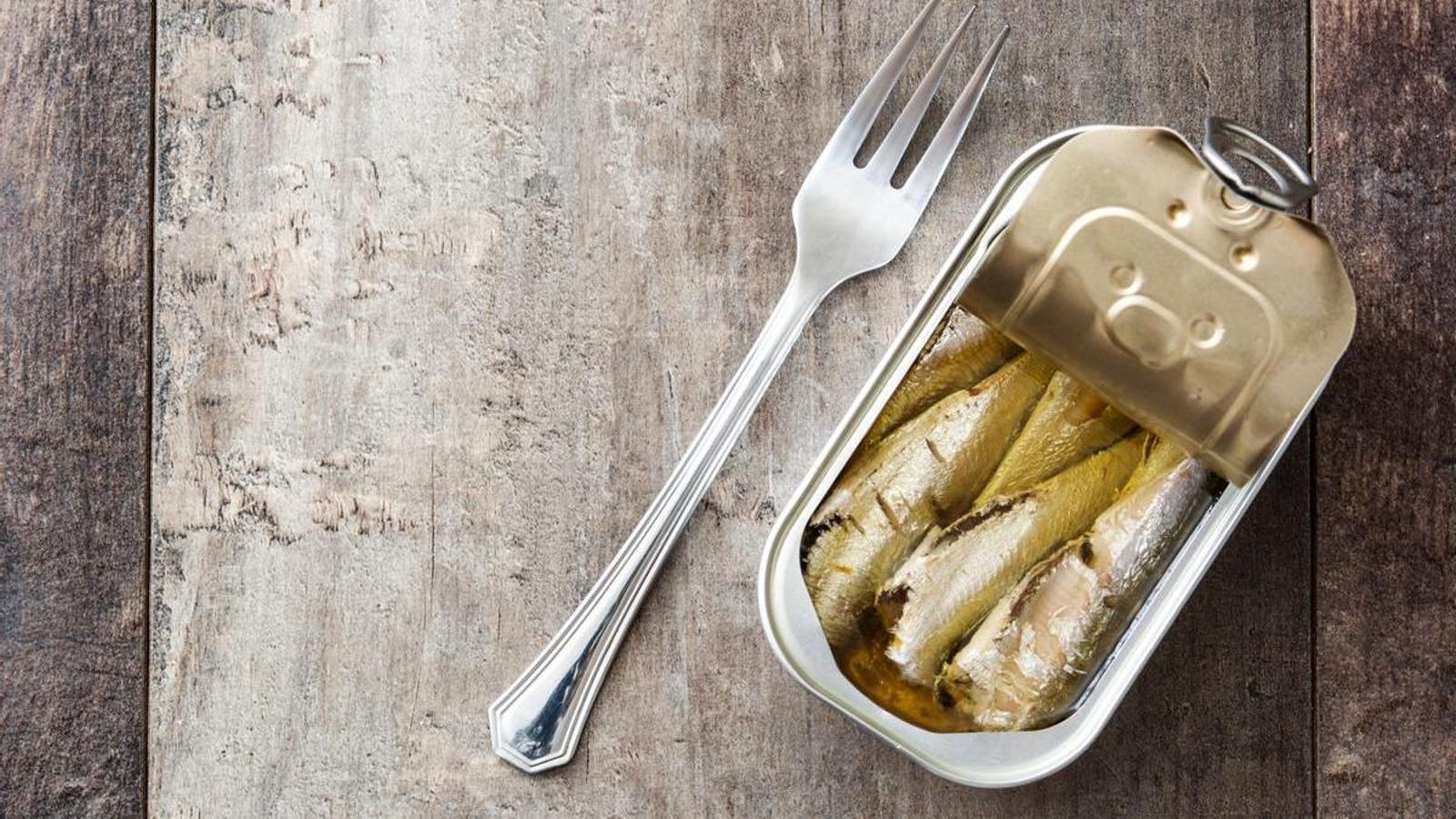
Oily fish, such as sardines (but it could be others, like herring), evolve inside the can in contact with olive oil, in the same way that wine does inside a bottle. The oil in combination with the fat of the fish itself makes its flesh become more tender – even to the point of being like butter –, juicier, and have an intense flavor.
You age like wine
The French place emphasis on the year in which it was produced, thus introducing the concept of vintage. They use the term millésimée, in the same way as with wine, to indicate the best vintages.
Tomb and Tomb
It should be kept in mind that since contact between the sardines and the oil is important, the cans we have in the pantry should be turned every six months. In the case of the French, who wait years to eat them, this factor is key to the homogeneity of the product.
Best before
The best-before date indicates the period in which the can is believed to be at its best, but what's inside doesn't expire. It has as long a life as we want to give it. In fact, some people collect cans, and there are some that are over twenty years old. Experts believe that in most cases, the can is best between one and five years after its production.
The best pantry
Now, in the case of the most renowned houses in France, when they release a special millésimée edition, they claim that it improves between seven and ten years after its production.
Batch Hunters
There are even people very knowledgeable in the matter who are looking for a specific batch. The batch, which is like the food registration number, indicates even more precisely what type of can we are eating and from which fishing trip it comes. In many cases, they are more interested in finding a specific batch than the brand of the can. Many brands buy fish that perhaps comes from other fishing grounds, and what they are looking for is the batch that comes from the best fishing trip.
A can in the restaurant
In France there are high-level restaurants, such as Brasserie Lipp, that serve canned millésimé. They present the can directly on a plate. The brand that this restaurant serves is Connétable and it costs 13 euros. The gastronomic critic and collector of cans José Carlos Capel recommends buying them for much less, between two and three euros, writing the year of the harvest, and keeping them at home for a few years. We will have the same thing at a much lower cost.
Hits and Misses
In Spain there have been attempts to make products with añada, some more successful than others. Cuca tried it in 2004, and then tried a gran reserva. It didn't work out. Paco Lafuente, Ortiz and La Brújula have indeed commercialized, in this case with great success.
Canned Innovation
In recent years, there has been innovation in the canned sardine sector. Other products have appeared, such as smoked sardines from Güeyu Mar, sardines with lemon from Rosa Lafuente, and spicy ones, for example from the Portuguese company Pinhais.

