The end of the repression

-
CAT -
CAST
BarcelonaThis Tuesday has been a very important day in the fight to erase the effects of the judicial repression that was set in motion the very day after October 1st against political leaders and anonymous citizens for defending Catalonia's right to self-determination. The decision of the Constitutional Court, which has finally ordered the Supreme Court to apply the amnesty also to those accused of the crime of embezzlement, opens the door to the return of Carles Puigdemont, Toni Comín, and Lluís Puig, and to nullify the disqualification from public office suffered by Oriol Junqueras, Dolors Bassa, Jordi Turull, and Raül Romeva. It will be the end of a process that has lasted many years: one that began with pardons, continued with the repeal of the crime of sedition, and has finally culminated in the total application of an amnesty that the judiciary has tried to torpedo by all means.
The amnesty is the product of two factors. On one hand, the persistence of the pro-independence parties and civil society, which step by step have bent the resistance of the socialists and forced them to go down this path. On the other, it is also fair to admit that the PSOE and, especially, its leader, Pedro Sánchez, have assumed a very high political and personal cost to make the amnesty possible. The judicial and media persecution suffered by the Spanish president, and which the pro-independence advocates previously suffered, cannot be understood without this decision. The PSC and Salvador Illa also knew how to rectify and have rowed in favor of it.
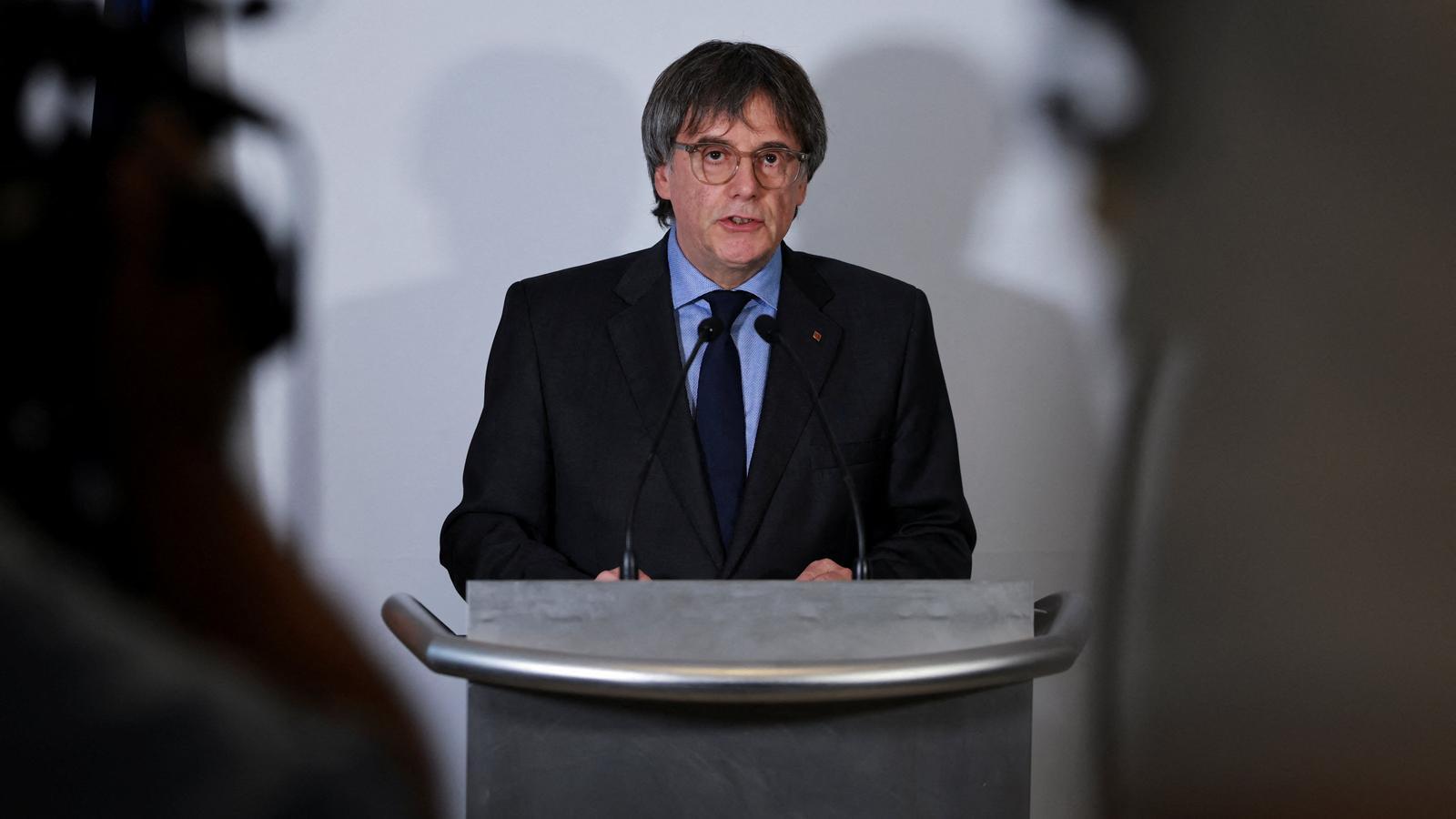
The most visible consequence of the total application of the amnesty will be the return of Carles Puigdemont to Catalonia after nine years in exile. Puigdemont and the rest of the exiled leaders or those who spent years in prison have also paid a very high price, and this must be acknowledged. Specifically, Puigdemont's return to Catalonia will be great news that should serve to close wounds and normalize public life, in the sense of putting an end to the exceptionalities and limitations on engaging in politics on equal terms. However, he and also Oriol Junqueras are right when they warn that the underlying reasons that caused the pro-independence process remain intact and the political conflict between Catalonia and Spain, unresolved.
But it is also true that the Catalonia of 2026 is not that of 2017. Time does not pass in vain and the country faces multiple crises (housing, energy, infrastructure, educational, etc.) that demand urgent solutions; in short, doing politics. And what is doing politics? Well, debating, agreeing, and managing. During the Process, there was talk of managing the "meantime," but now the "meantime" has overtaken us. The current moment calls for avoiding populism, demagoguery, and the "no to everything" that some proclaim, and rolling up our sleeves and working to improve the living conditions of Catalans. Because if not, the hate speech that attempts to divide us as a people will grow and make impossible the country project that Catalanism has built over the last 150 years.
