A much-needed reform of the regional financing model

-
CAT -
CAST
The political landscape offers little optimism regarding the possibility that the Congress of Deputies can approve the reform of the regional financing model proposed by the Ministry of Finance. The Council of Fiscal and Financial Policy (CPFF) that had been convened on July 29 to debate it had to be canceled due to the refusal of the communities governed by the PP or by the Popular Party and Vox to attend the meeting. Now a meeting has been rescheduled for September 4, but only the Spanish government itself and the Generalitat are in agreement with the proposal. Not even the socialist executive of Asturias is in favor, let alone the government of Castilla-La Mancha led by the critical Emiliano García-Page. In any case, this would not prevent it from moving forward by the Council of Ministers. Another matter is getting enough support for it to pass the examination in the lower house. And even more so, considering the existing polarization, with trench warfare politics and the almost perpetual pre-electoral scenario in which we live.
That the existing model, which has not been updated for more than a decade, needs to be changed is supported by almost everyone. The problem is that the proposal has been previously agreed with Catalonia – in fact, this is what has happened in previous times, when the initiative originated from here – but this time it is being made a banner against it. In addition to its complexity, the facts show that the current model does not provide enough resources for the Generalitat to fully develop its activity. One example is the perpetuation of what is called displaced spending, which is that which must be transferred to the following fiscal year because the budgets fall short, and which has worsened.
Last year, this amount, 5,295 million euros, once again set a record. The figure means that more than 10% of the total non-financial expenditure for the fiscal year corresponds to debts from the previous year. It is a real mortgage that affects the resources that can be allocated to social policies and public investment. Part of the funds must go to cover previous shortfalls that should have been settled earlier. It could be said that this is due to poor or erroneous management, and it is possible that part of it is due to this, or that it is due to the excessive reliance on extensions in the face of the inability to approve budgets (2024 and 2025 and half of 2026 have passed); but the fact is that it is a practice that is repeated year after year and is growing significantly, like a snowball.
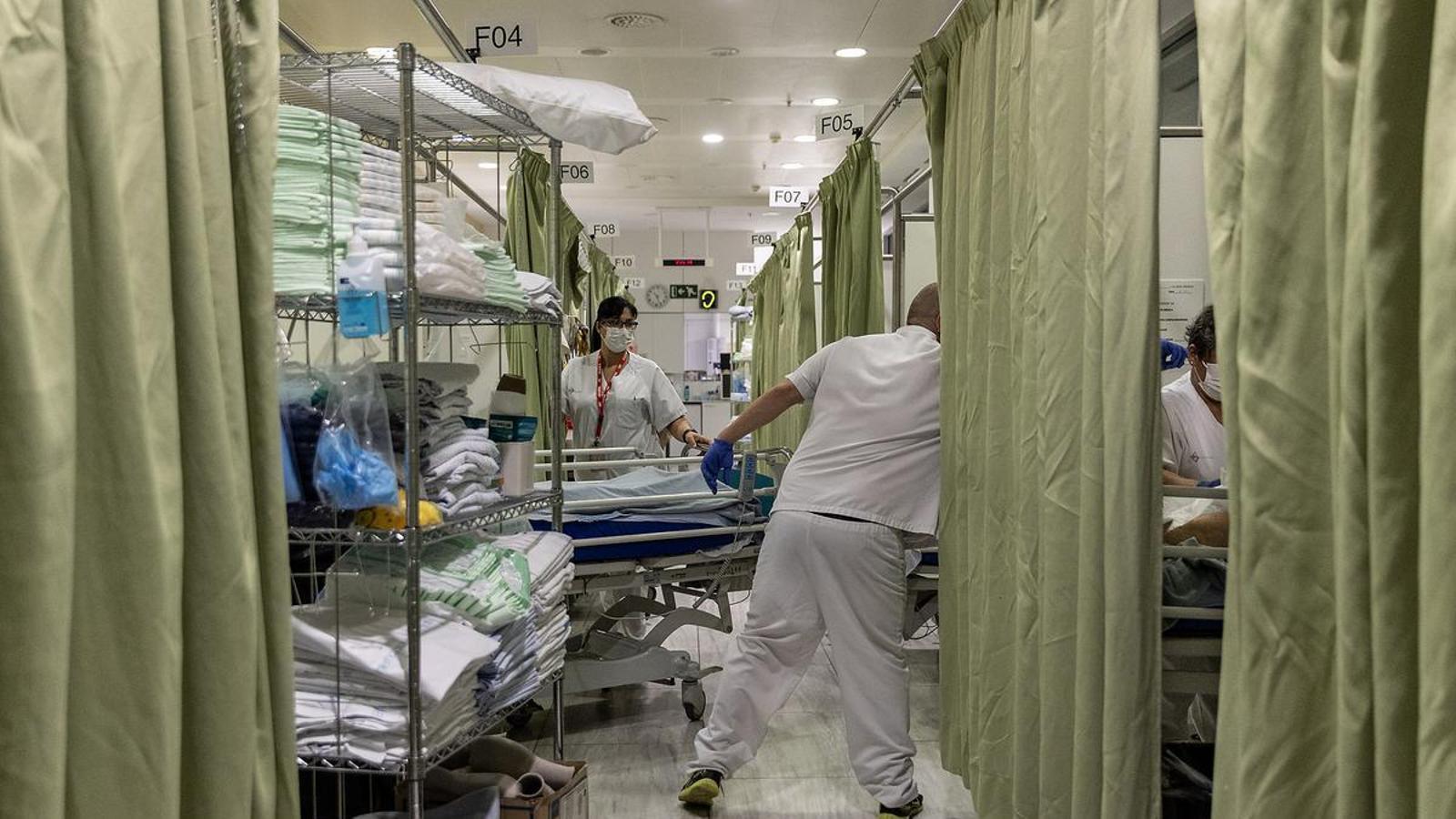
The issue is that this kicking the can down the road with an ever-larger ball has become chronic, as the General Intervention states. And this means that it has become a structural problem for the Generalitat's accounts, which primarily affects the Health sector, with a disparity between what is budgeted and what is actually spent that can amount to between 15% and 20% of the total figure. It is evident that regional financing needs to be improved, including a leading role for the Generalitat in tax collection, which would increase its management capacity and responsibility and financial autonomy. And it would probably allow for budgets to be made to cover the needs of the fiscal year without a portion of the money having to pay outstanding debts from previous years.
