A new more extreme Catalan political map
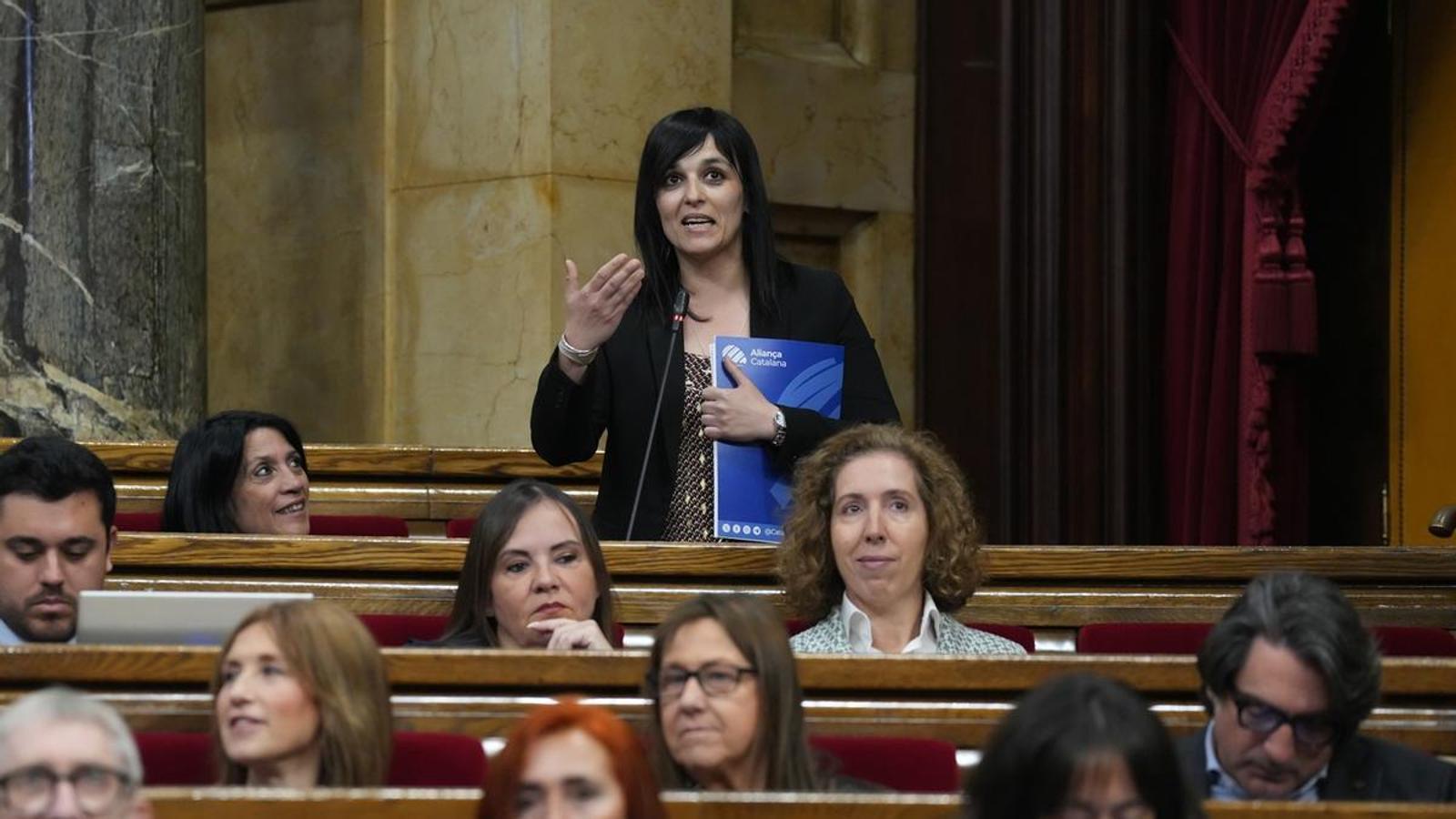

The results shown by the survey published today by ARA, with all the precautions that a poll taken when no election is in sight entails, depict a profound and very worrying alteration of the Catalan party map. Basically, what is seen is a strong setback for the traditional centre-right parties, Junts and PP, who are overtaken by more radical and openly Islamophobic parties such as Aliança Catalana and Vox. The result is a much more polarized country with less room for broad consensus, and politically much more difficult to govern.
The case of Junts deserves a separate chapter, as according to the survey it could drop from its current 35 seats to just 13, and would go from being the second force in Parliament to the fifth. The poll detects a strong flight of Junts voters towards Aliança Catalana but also, attention, towards ERC. The result shows that the Junts strategy of trying to compete with Aliança on issues like immigration is not working, although the rise of Sílvia Orriols must also be attributed to the frustration caused by the failure of the Procés. The hope for Junts is that the return of Carles Puigdemont, now set for late summer or early autumn, will serve to inject energy into a political space that today faces an authentic existential dilemma.
A paradox that the survey shows us is that the advance of the far-right does not manage to threaten the current left-wing majority, which could even be reinforced thanks to the notable rise of ERC, which would climb from its current 20 deputies to 27-30. It is this increase that would compensate for a possible drop for the PSC, which is suffering a certain wear and tear from government, and the apathy of the Comuns, who remain the same. In any case, the new Catalan political map does not seem to be going to have any effect on the Government.
However, perhaps we are not yet sufficiently aware of what it can mean for the opposition in Parliament to be monopolized by the far-right, be it Aliança Catalana or Vox. It is undeniable that these two parties would take advantage of the parliamentary platform to spread their hate speech and would make coexistence much more difficult. In this scenario, Junts and PP would have a special responsibility in distancing themselves and setting red lines with these formations. But the left-wing formations would also have to step up to the plate when it comes to addressing the problems that feed this type of vote.
Ultimately, Catalonia is heading towards a scenario that seemed unthinkable just a few years ago, and that is to become one of the countries with the most significant far-right influence in the European environment. The anti-Francoist and Catalanist heritage that acted as an antidote to the essentialist impulse that simmered in certain sectors of the population seems to have been overwhelmed by the global wave that drives these formations. Now, it only remains to establish whether the poll sets a ceiling or is just the beginning of something worse.
