Cocaine and jihadism: the travelling companions that have shaken Mali

-
CAT -
CAST
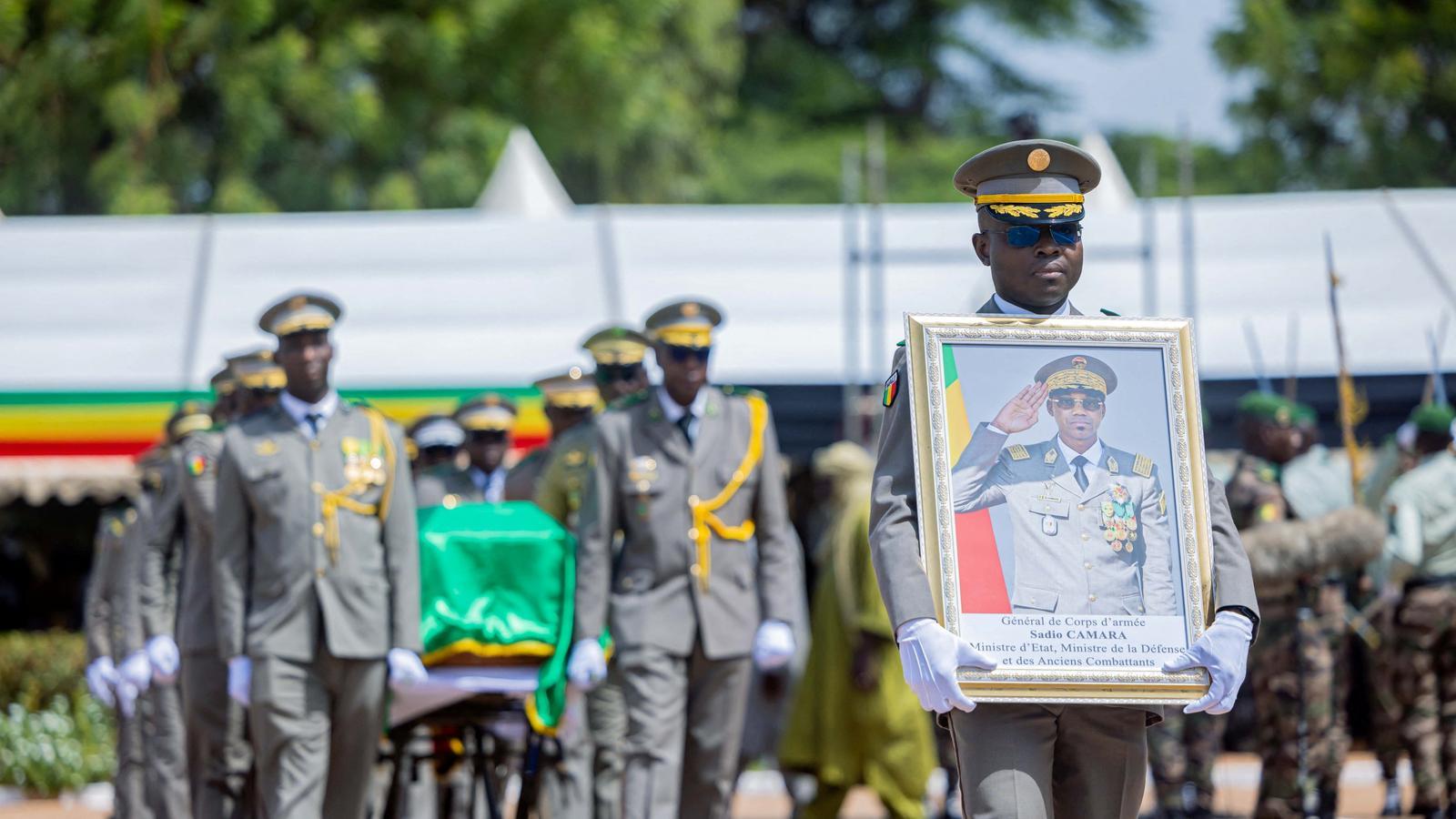
Almost a quarter of a century after the attack on the Twin Towers in New York, an Al-Qaeda affiliate is fighting to control its first African country. The group, known by the acronym JNIM, simultaneously attacked several cities in Mali last week, a country with a surface area thirty-eight times that of Catalonia. During the attack, they conquered Kidal, in the north of the country, and assassinated the Malian Minister of Defense, Sadio Camara. Africa Corps, a paramilitary group linked to Russia, could not prevent the advance of the jihadists, who coordinated with Tuareg separatists to attack their objectives. A few months ago, they managed to temporarily block the fuel supply to Bamako, the capital, and now they seek to overthrow the military junta governing the country since 2021, after two coups d'état. Mali, traditionally under the French orbit since political independence in 1960, is presided over by Assimi Goïta, a military man who in 2022 expelled the French military personnel who were present in the country to combat these insurgents. On April 28, he declared to the nation that the situation was under control.On a tour of the French media, the spokesperson for the Tuareg separatists, Mohamed Elmaouloud Ramadane, points out that the Bamako regime will fall "sooner or later". The spokesperson defined the alliance with the jihadists as circumstantial to defeat their common enemy, the military junta. During his interview, entirely in French, Ramadane says they have good relations with both France and the United States. For the Tuareg people, the conflict with the Malian state is long-standing: in Mali, many have never felt respected, and for this reason, they have periodically revolted against the state. Each revolt ended with a pact that included autonomy agreements, the integration of rebel leaders into the Malian state, and promises that, over time, did not satisfy Tuareg demands. Some of the combatants – both separatists and jihadists – are descendants of Tuareg people who were murdered during the repression by the Malian state in 1963. Few people symbolize the complexity of this conflict as much as Iyad Ag Ghali.From a successful music group to jihad
When he was young, Iyad Ag Ghali was part of the musical group Tinariwen. For him, music and politics were part of the same project: the defense of independence. He wrote some of the lyrics for a group that won a Grammy in 2012 and has collaborated with Shakira and Alicia Keys. By then, Ag Ghali had already been disillusioned with it all for years. Musical festivals were not advancing the cause. His contact with Pakistani preachers, in the late nineties, led him to abandon music and embrace Islamic fundamentalism. Ag Ghali has integrated into JNIM those seeking to forcibly impose Islamic law in Mali. The groups controlling the northern region, beyond their ideological declarations, enrich themselves through kidnappings and drug trafficking. Last December, they released a member of the Dubai royal family in exchange for 23 million dollars. Part of the cocaine that travels from Latin America to Europe passes through Mali, where the groups collect taxes from anyone using the route. These sources of income, along with gasoline smuggling and Bamako's financial asphyxiation, have strengthened them to the point of shaking a state. The ultimate prize: controlling Africa's second-largest gold producer.
