A new judicial front that suffocates the PSOE a little more
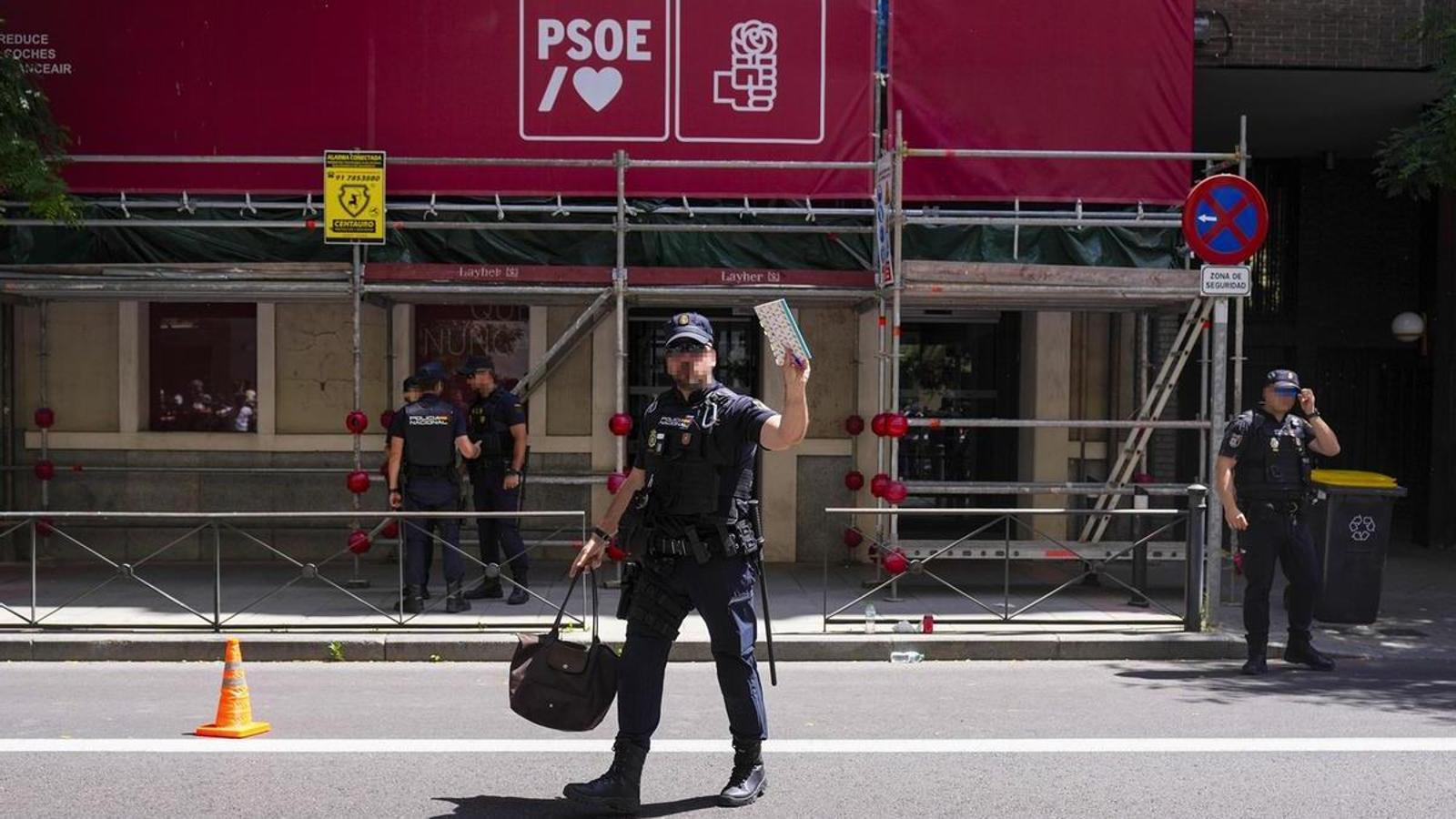

BarcelonaThere is no doubt that the PSOE is immersed in a real judicial storm in which new headlines replace the previous ones almost every day and where it is difficult to separate the wheat from the chaff. To begin with, both in the case affecting former president José Luis Rodríguez Zapatero and in this offshoot of the so-called Leire case, the accusations are serious and the indications are worrying. But it is difficult to believe that all this is due to the blind action of justice when this is a government that has directly confronted the judges, for example with the approval of the amnesty, and when it is notorious that cases have been opened against the entourage of President Pedro Sánchez with a notable whiff of lawfare, such as the one affecting his wife.
It is in the context of this judicial siege of the PSOE that the alleged plot now being investigated by Judge Santiago Pedraz is situated, which aimed to hinder the action of justice and the investigations of the Guardia Civil. The document made public by the judge places Santos Cerdán as the leader of the plot, while Leire Díez would be its executor who would act in the name of the party but without any legal link to it. Díez would have been paid, however, around 40,000 euros for her services through consultants or trusted law firms, hence the implication, among others, of the former vice-president of the Junta de Andalucía Gaspar Zarrías or the PSOE manager, who would have authorized the payments, Ana María Fuentes.
The only good news for the PSOE in this case is that Santos Cerdán is already out of the party and being investigated in another case, even though the investigation may have disastrous consequences for a party that, despite Pedro Sánchez's optimism, is not recovering and for which the end of the legislature is becoming a torment. Pedro Sánchez, who is the party's secretary-general, can always say that he knew nothing about Cerdán's dealings, but the truth is that this case is different from others because it was a kind of dirty war against justice in the party's name. It is also true that we now know that Cerdán might be interested in boycotting investigations that directly affected him, but of course, the money used was from the party, not from his own pocket.
In any case, this new judicial front suffocates the PSOE a little more in tumultuous times that also recall the final offensive against Felipe González in the years 1993-1996 (although he seems not to remember it): politics takes a back seat and the courts take center stage. Obviously, each case must be analyzed separately and see what remains of it in the end, but it is obvious that there are many people interested in derailing this government, imposing exemplary punishment on its leaders, and putting the PSOE in the hands of someone like Emiliano García Page. And the party that aspires to reap the benefits of all these scandals is the PP, which can give no lessons in cleanliness, quite the opposite, and which these very days faces a trial for much more serious events, such as Operation Kitchen.
