Hantavirus: we have learned nothing
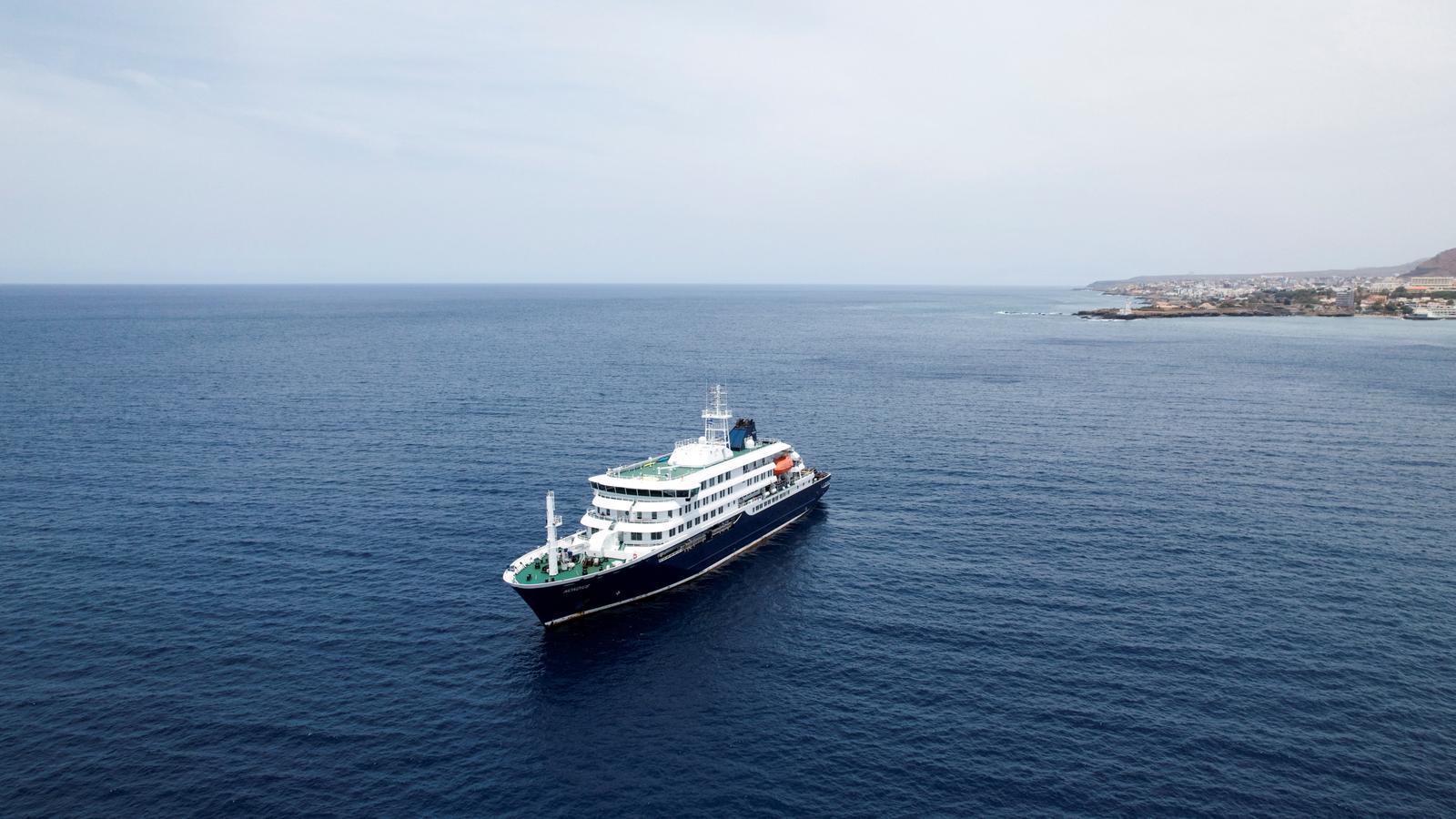

Hantavirus is so called because, although it is ancient, the first outbreak of the disease that was scientifically studied was contracted by North American soldiers patrolling near the Hantan River during the Korean War, in the 1950s. It is a known virus with several families: human transmission is only known in the so-called Andes hantavirus, which is what affected the passengers of the MV Hondius. It does not have the virulence of COVID, that of the flu or, even less so, that of measles, but the mortality rate if left untreated is indeed high. According to the World Health Organization (WHO), there are five confirmed cases, three of which have resulted in death, and three more symptomatic cases awaiting PCR results. The possibility of a ninth case has also emerged, which would be a flight attendant who was in contact with a woman who died. If confirmed, it would be worrying, as it would be the first person to have been infected without being on board the ship.
According to the WHO, it cannot be compared to COVID. Likewise, taking into account what we learned during the pandemic, some worrying data can be extracted from what is being said. The main one is that when the first death occurred, at the first stop on the route, about twenty people left the cruise. And, as the WHO stated yesterday, a total of about thirty people disembarked since the cruise left Argentina. Naturally, attempts are now being made to track these travelers and their contacts, as the incubation period for these viruses can be up to six weeks before the first symptoms appear.
It is necessary to know well the circumstances of what has happened, but to allow the disembarkation of these people without any control or follow-up after the experience of covid seems like a major irresponsibility. If the suffering and experience of covid should have served for anything, it was to establish clear protocols on how to act in cases of suspected infectious virus disease. We know that speed in acting, isolation, and contact tracing are fundamental, but it has taken weeks to clearly know the facts. It seems we have not learned. Nor have we learned anything about how to manage cases afterwards.
The fact that at this point we are once again living the debate about whether people can or cannot be forced to be in isolation is regrettable. At that time, it was necessary to resort to the state of alarm, and during these years, political parties have been incapable of reaching an agreement to approve a law that allows for a clear protocol for health authorities to impose basic public health measures. On top of that, the political controversy has returned. The lack of solidarity is once again evident: the concern of the Canary Islands is understandable, but they have a health system that is prepared to attend to these cases; and if not, their government should resign for the lack of protection of their own population. And the distrust in science and the health expertise of some parties has reappeared strongly. The fact that the United States and Argentina, for example, have left the WHO demonstrates to what extent the illiberals led by Trump and his friends, including part of the Spanish right and far-right, can plunge the world into another chaos.
