The EU could end up rationing fuels if the energy shock worsened
The European Commissioner for Energy keeps "all options" open, although the continent "is not yet" in a supply crisis
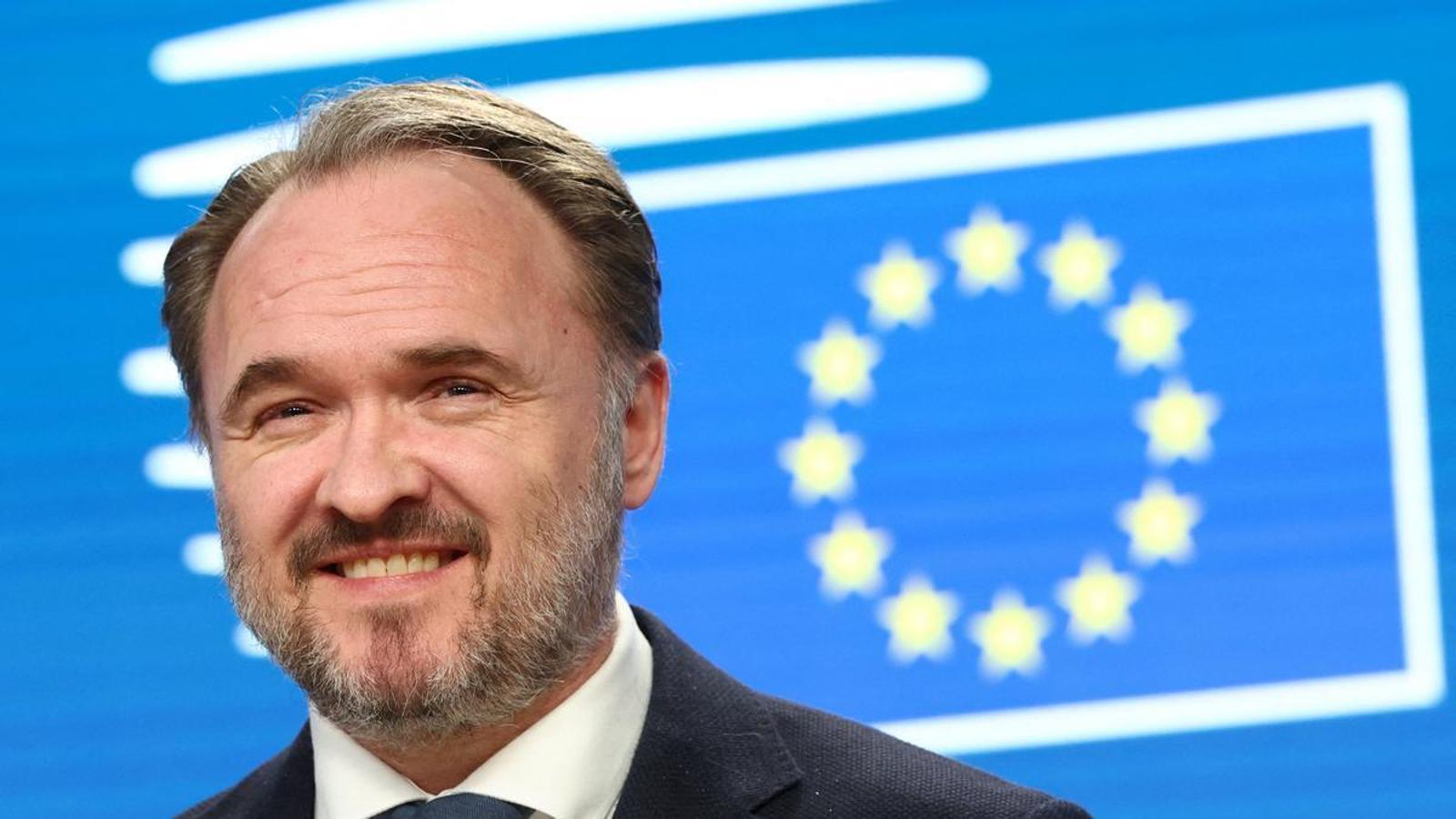
BarcelonaThe European Union is studying possible measures such as rationing fuel and releasing more oil from strategic reserves in the face of the risk of a "lasting" energy shock resulting from the war in the Middle East, European Energy Commissioner Dan Jørgensen assured this Friday in an interview with the British newspaper Financial Times. The bloc is evaluating "all options," according to Jørgensen, who warned that "energy prices will be higher for a long time."
The commissioner pointed out that, although the EU "is not yet" in a supply crisis, it is already preparing contingency scenarios in the face of possible structural effects of the war initiated on February 28 by the United States and Israel against Iran. However, Jørgensen makes it clear that the most drastic measures are currently only contemplated as a precaution and that the possibility of applying them in the immediate future is not on the table under any circumstances.
"The rhetoric we are using and the words we are using are now more serious than at the beginning of the crisis," Jørgensen said in the interview, adding: "Without a doubt, our analysis is that it will be a prolonged situation and countries must ensure they have what they need." "We are preparing for the worst-case scenarios, although we have not yet reached the point of needing to ration critical products such as kerosene or diesel. It is better to be prepared than to regret it," stated the Danish social democratic politician.

After the first attacks, the price of Brent crude oil —the benchmark— reached almost 120 dollars per barrel, currently trading around 107 dollars, although volatility remains in the markets due to the de facto closure of the Strait of Hormuz, controlled by Tehran and through which 20% of the world's consumed crude oil transport normally transits.
Release of reserves
Likewise, the highest energy official of the European Commission does not rule out new releases of strategic reserves if the crisis worsens, and has reiterated that the EU does not plan to modify its regulatory framework this year to end imports of Russian liquefied natural gas, since, if necessary, it can resort to supplies from the USA and other partners.
Furthermore, the Financial Times indicates that airlines are among the sectors most concerned about kerosene supply, in a context of regulatory divergences between the EU and the USA regarding fuel specifications. On this matter, the commissioner has assured that, for the moment, Brussels does not plan to modify current regulations, although he has also opened the door to changes if the situation worsens: "We are analyzing all possibilities and it is clear that the more serious the situation, the more we will also have to study legislative tools," pointed out Jørgensen.
