Inflation in the US reaches a record high in the last three years and puts the new Fed president in a bind
The increase in energy prices resulting from the war in Iran increases the cost of living for American families
-
CAT -
CAST
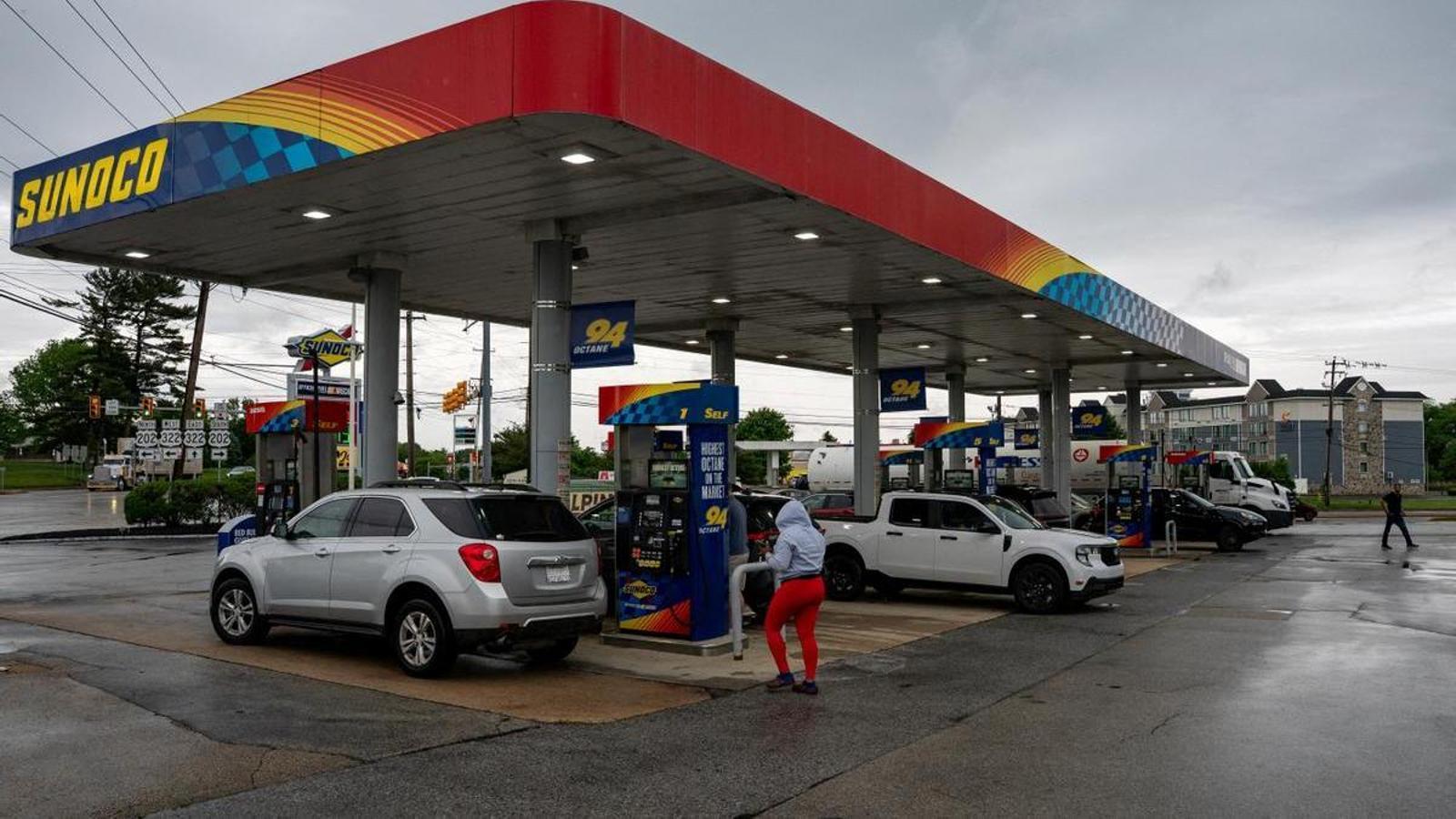
BarcelonaThe increase in gasoline prices has led inflation in the United States to reach its highest level in three years. According to data published this Wednesday by the Department of Labor, prices in the US rose by 4.2% last May compared to the same month last year.
This is, therefore, the third consecutive month in which prices have risen in the United States. In April, they rose by 3.8%. Compared to the previous month, prices in May rose by 0.5%.
The figure represents another headache for the American president, Donald Trump, who had promised during his election campaign to lower prices, which prevent many citizens from filling their refrigerators. Instead, he started a war with Israel and against Iran, assuring that it would be short, but three months later the end of the conflict continues to be complicated.
The good news from this inflation data is that it reveals that, for now, the price increase has not spread to the entire economy but remains very focused on energy and, therefore, if the war ended soon, inflation would probably cool down. Excluding energy, prices rose by 2.9% year-on-year, and by 0.2% compared to the previous month.
But this link between inflation and energy will not prevent the Federal Reserve (the Fed, the country's central bank) from having problems when deciding whether or not to change interest rates at next week's meeting. Since returning to the White House, Trump has been pressuring the now former chairman of the monetary body, Jerome Powell, to lower interest rates, but now the decision in a very uncertain context falls to the new chairman, Kevin Warsh, who is close to Trump and will take office next week.

The US launched attacks against Iran late Tuesday night in response to the downing of a US helicopter near the Strait of Hormuz on Monday. And this Wednesday, Trump has once again threatened more bombings, saying that Iran must "pay the price" for taking "too long to negotiate" a deal to end the war. "They took too long to negotiate a deal that would have been very good for them, now they have to pay the price!" the American tycoon wrote on his social network, Truth Social.
This Wednesday, a delegation of Qatari officials arrived in Iran to try to continue negotiating a deal, but for days now it doesn't seem like talks are progressing.
Data centers also fuel inflation
In addition to the war in the Middle East, data centers are also driving up prices in the United States, creating significant demand for the chips that go into all electronic products. By product, beef is now 12% more expensive than a year ago, and vegetables such as tomatoes and lettuce have also risen in price above average.
Trump is increasingly impatient to resolve the war and bring prices back to their usual course, especially as he sees it is impossible for inflation to fall before the midterm elections, which will take place in November. This explains the appointment of Warsh at the head of the Federal Reserve, an economist in principle close to the government who will make his debut next week at the first meeting of the Federal Open Market Committee.
Trump has been very critical during this term of the then Fed Chairman Jerome Powell for not lowering interest rates forcefully, with very strong criticism on social media. About Warsh, he has said that he will have the "full support" of the federal administration and that he wants him to be "deeply independent" in his new role, but at the same time he has asked him to recognize that "growth does not mean inflation" and to lower rates.
