Inflation in the eurozone shoots up to 3.8%
Energy becomes 18.8% more expensive and food 4%
-
CAT -
CAST
BarcelonaThe year-on-year inflation rate for the euro area stood at 3.8% in September, six tenths of a percentage point above the price increase in August, according to the preliminary reading of the data published this Friday by Eurostat, the European statistics office. The year-on-year price increase of 3.8% is the highest rise since September 2023, when the increase was 4.3%.
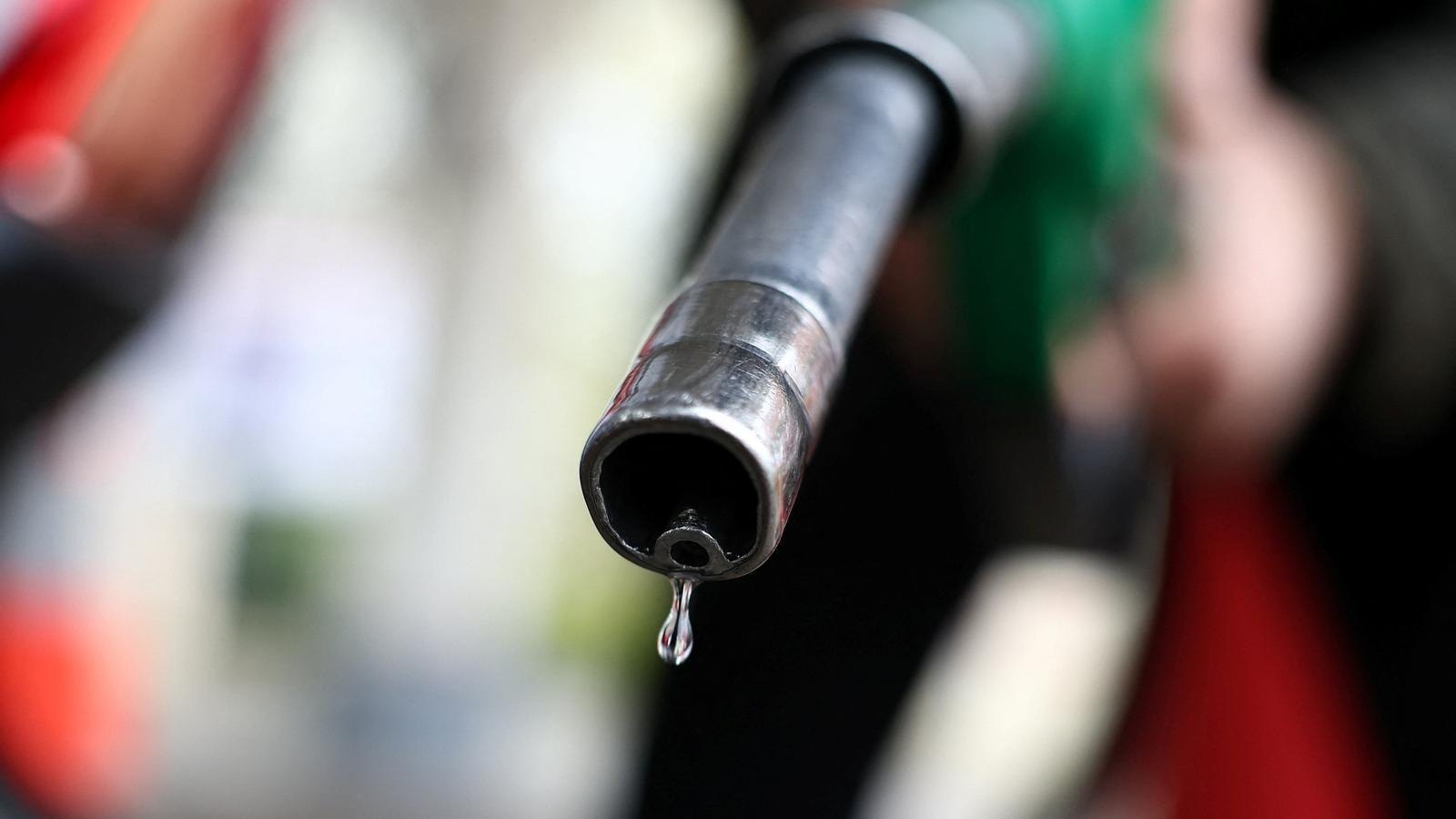
The acceleration of inflation in the euro area reflects the year-on-year price increase of 18.8% for energy, compared to 14.3% the previous month; while fresh food rose by 4%, compared to 2.7% the previous month. For its part, the price of non-energy industrial goods increased in September by 1.1% year-on-year, compared to 1.2% in August, while services became 3.2% more expensive, two tenths of a percentage point more than the previous month.
Thus, excluding the impact of energy, the inflation rate in the euro area stood at 2.3%, compared to 2.1% in August. On the other hand, the core inflation rate, which in addition to energy also excludes the impact of fresh food, alcohol, and tobacco, rose from 2.4% to 2.5%.
Among the 21 countries in the euro area, the most significant year-on-year price increases in September corresponded to Lithuania (6.1%), ahead of Bulgaria (5.6%) and Cyprus and Luxembourg (5.2% each), while the most contained increases corresponded to Malta (2.4%) and Finland (2.6%). In the case of Spain, the harmonized inflation rate in September stood at 5%, the highest among the major euro economies, given that in France it was 3.4%, while in Germany it stood at 3.3% and 4.1% in Italy. In this way, the unfavorable differential for Spain with respect to the euro area average reached 1.2 percentage points, compared to 1.4 percentage points in August.

Interest rate hike
At the beginning of September, the Governing Council of the European Central Bank (ECB) decided to raise interest rates by 25 basis points, to 2.5%, in response to inflationary pressure. In this regard, in her recent appearance before the Committee on Economic and Monetary Affairs (ECON) of the European Parliament, the President of the ECB, Christine Lagarde, justified the interest rate hike that took place, adding that a "measured response is appropriate to keep inflation under control." "Overall, this means that we remain on the intermediate path of monetary policy that I presented at the beginning of this year. This implies that while the shock is too great to ignore, we consider that a measured response is appropriate to keep inflation under control," she defended.
