How to avoid the most typical summer scams
The scammers' objective is always the same: to achieve a money transfer

-
CAT -
CAST
BarcelonaFor holidays, as we have more free time, the hours we spend in front of screens tend to increase. And more time on our mobile or computer also means being more exposed to the dangers of the internet, such as fraud or scams. For this reason, as explained by the Organization of Consumers and Users (OCU), it is important to keep three basic tips in mind: messages from unknown origins should not be opened, one should be wary of bargains and alarmist messages, and it should be taken into account that no company or bank asks for banking details via phone, email, or text message.
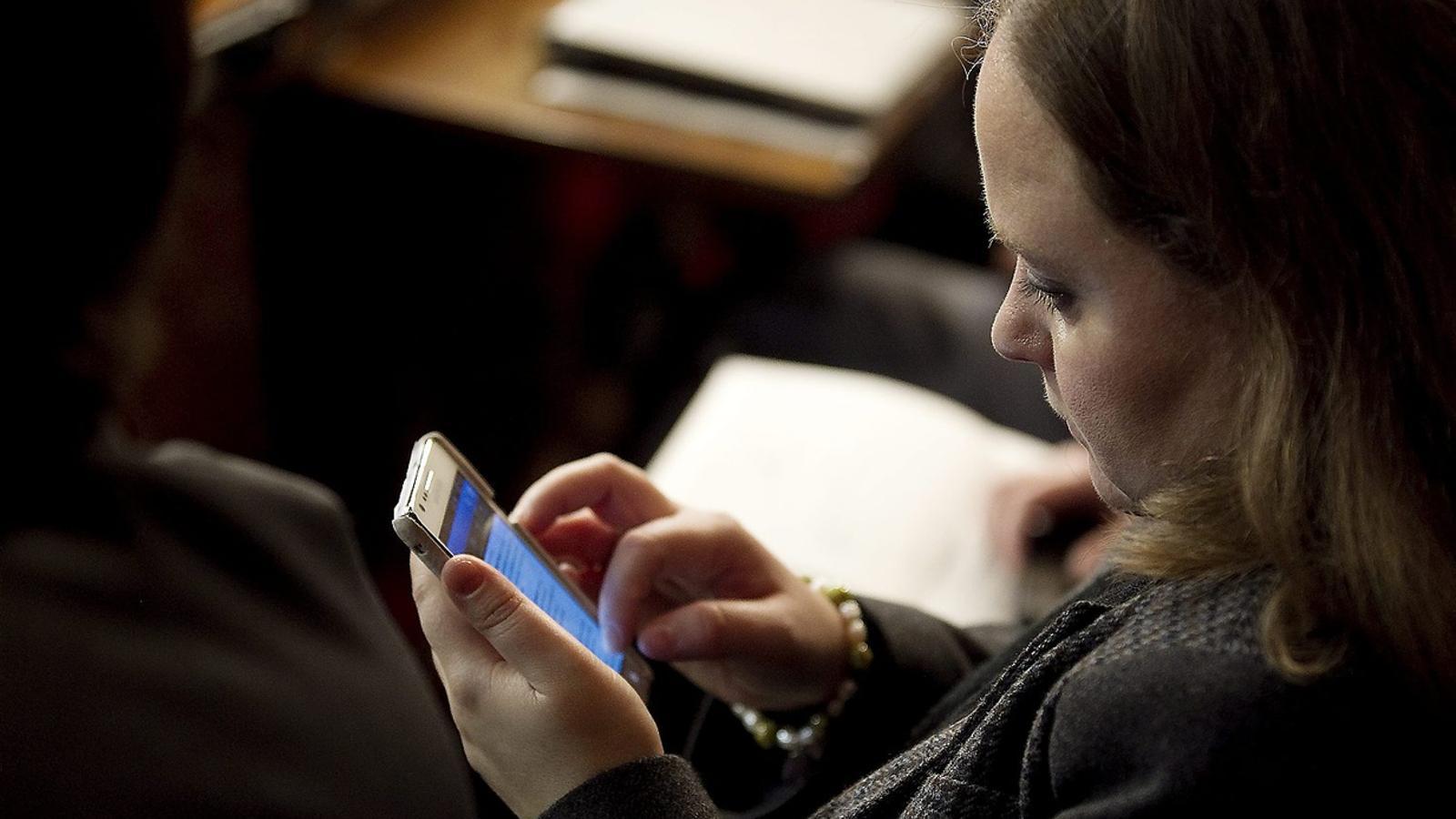
The evolution of consumption methods also favors us being increasingly vulnerable to possible fraud. The mobile phone has become a practical and common tool for making online purchases. However, as the OCU warns, its reduced screen makes it difficult for consumers to check the authenticity of websites. This favors scams of phishing –those sent via email– and of smishing –via SMS–. The organization also recalls that the objective of the fraud is always the same: to achieve a money transfer.
The five most recurrent scams
That said, during the summer there are five main types of scams to be especially vigilant about, which are related to holiday periods. One of them is ghost holiday rentals, which consist of fake ads on social networks or specialized pages with stolen photos of real houses. These offers usually feature very competitive prices and eye-catching discounts.
Another typical scam on holiday rental platforms is cloning. Scammers create malicious pages that copy the appearance of trusted platforms, such as Booking, Aribnb, or eDreams. Users who enter them may enter their bank details without realizing they are not actually visiting the real page.
As the consumer protection organization points out, special care must also be taken with urgent cancellation messages, as there are cases of data leaks that enable fraudsters to impersonate a real reservation. In addition, two different fraud models that are more common during the summer should be kept in mind: one is messages that promise free trips or train tickets in exchange for filling out forms at a link, and the other is messages that impersonate the DGT to demand immediate payment of a fine that does not actually exist.
However, if you have fallen for one of these traps, banks offer protection to consumers. When a user makes a payment under deception, financial institutions must assume a refund, unless it is due to gross negligence by the customer. In fact, the European Parliament considers not only unauthorized payment transactions to be fraudulent, but also those in which the payer has been manipulated into consenting to the operation. In the same vein, the Spanish Civil Code establishes that consent is null and void when given in error. "Therefore, no payment made under the effects of deception can be considered valid and it is up to the financial institution to assume the refund," considers the OCU, which, on the contrary, encourages those affected to claim.

Combat smishing
According to the Bank of Spain, the economic impact of fraudulent electronic payments is currently 500 million euros annually. Faced with this situation, measures have recently been approved to combat fraud. A clear example of this is the creation of an alias registry that will allow verification that the senders of SMS, MMS, or RCS messages sent to Spanish numbers are truly who they claim to be. With this tool, the National Commission of Markets and Competition (CNMC) aims to combat fraud attempts through identity theft.
The measure, approved this March, establishes that only aliases previously registered in the registry can be used as senders and will be linked solely to their legitimate owner. Thus, it will combat all those messages that, for example, impersonate electricity, telephone, or banking companies. Currently, scammers use the names of large companies to appear legitimate.
