Blow to the SMS that want to scam us
Starting from September 15, operators will block notifications and messages sent to mobile phones that identify themselves with brands or commercial names not registered with the CNMC

-
CAT -
CAST
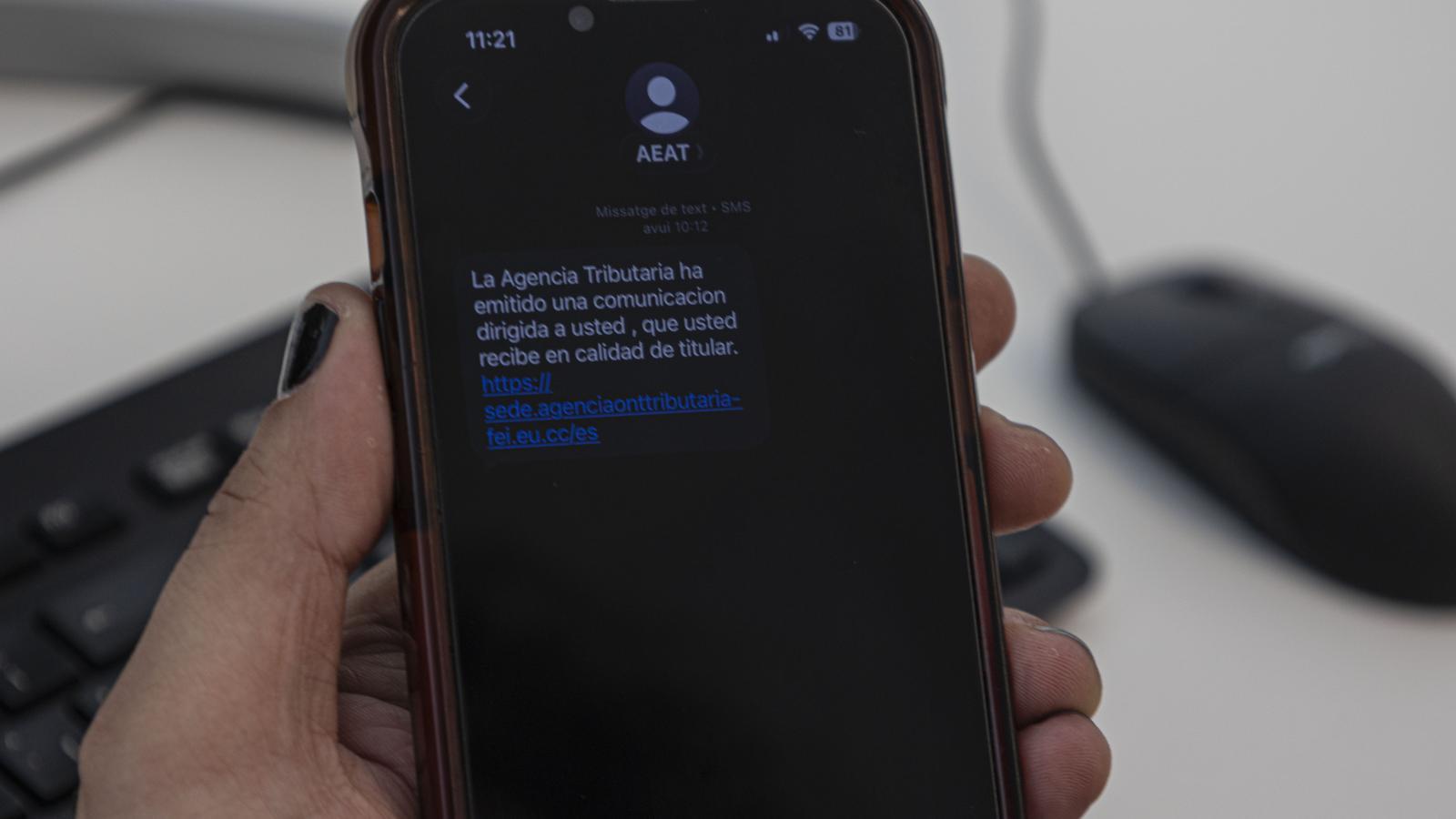
BarcelonaStarting next Tuesday, September 15, SMS, MMS, and Rich Communication Services (RCS) from commercial aliases (brands, trade names, company names, or domains) that are not registered with the National Commission on Markets and Competition (CNMC) will be blocked by telecommunications operators. It is a measure, included in an order from the Ministry of Digital Transformation, that seeks to curb fraud and identity spoofing scams through these messages used to send mass notifications and all kinds of alerts to citizens' mobile phones. Today there are 13,565 registered aliases that will be able to continue sending messages, but the trend of requests varies and is growing, according to the CNMC. In fact, there are currently about 4,000 aliases pending approval.
The measure affects all sectors, but those most involved are banks and financial entities, insurance companies, courier and parcel services, health services, passenger transport services, and public administrations, which are the activities that most often address individuals through messaging services. The alias is the alphanumeric name (consisting of letters and/or numbers) that appears as the sender of a text message instead of a traditional phone number.
Entities, companies, or self-employed individuals who have not complied with this obligation for their aliases will have their messages blocked. The CNMC acknowledges that a high number of requests are being denied due to technical problems or for not having unequivocal confirmation from the applicant, an essential requirement along with verification by the CNMC. The identification that appears in the header of SMS messages was until now an element without specific regulation. Until now, it was used freely, without guarantees that the author was really who they claimed to be, which facilitates scams that impersonate anything from a bank to the Tax Agency.
Continuous monitoring
The Commission has called on citizens, SMEs, the self-employed, and small businesses to pay attention to the electronic notifications they receive. Sources from the regulatory body state that continuous monitoring of these strategic sectors is being carried out to ensure they update their identifiers and can continue to operate with users normally.
The alias registry was officially established on March 28. In April, the head of the Ministry of Digital Transformation, Óscar López, announced that it would come into effect on June 7, a date that was later moved to September 15. Unlike in June, the possibility of a new extension is now ruled out.
The CNMC reminds that not everyone will need or want to have an alias registered. Everything will depend on the communications they make to clients each day. In any case, it is unknown how many aliases remain to be registered and how many companies or self-employed individuals need one.
While the alias is in the validation process (there are 4,000 currently pending), it will be permitted to use the alias until the CNMC manages to validate them in the registry in which they should be enrolled before September 15. In any case, it is a transitional period so that those companies awaiting validation are not blocked.

