Without My Mother: A French Rural Drama
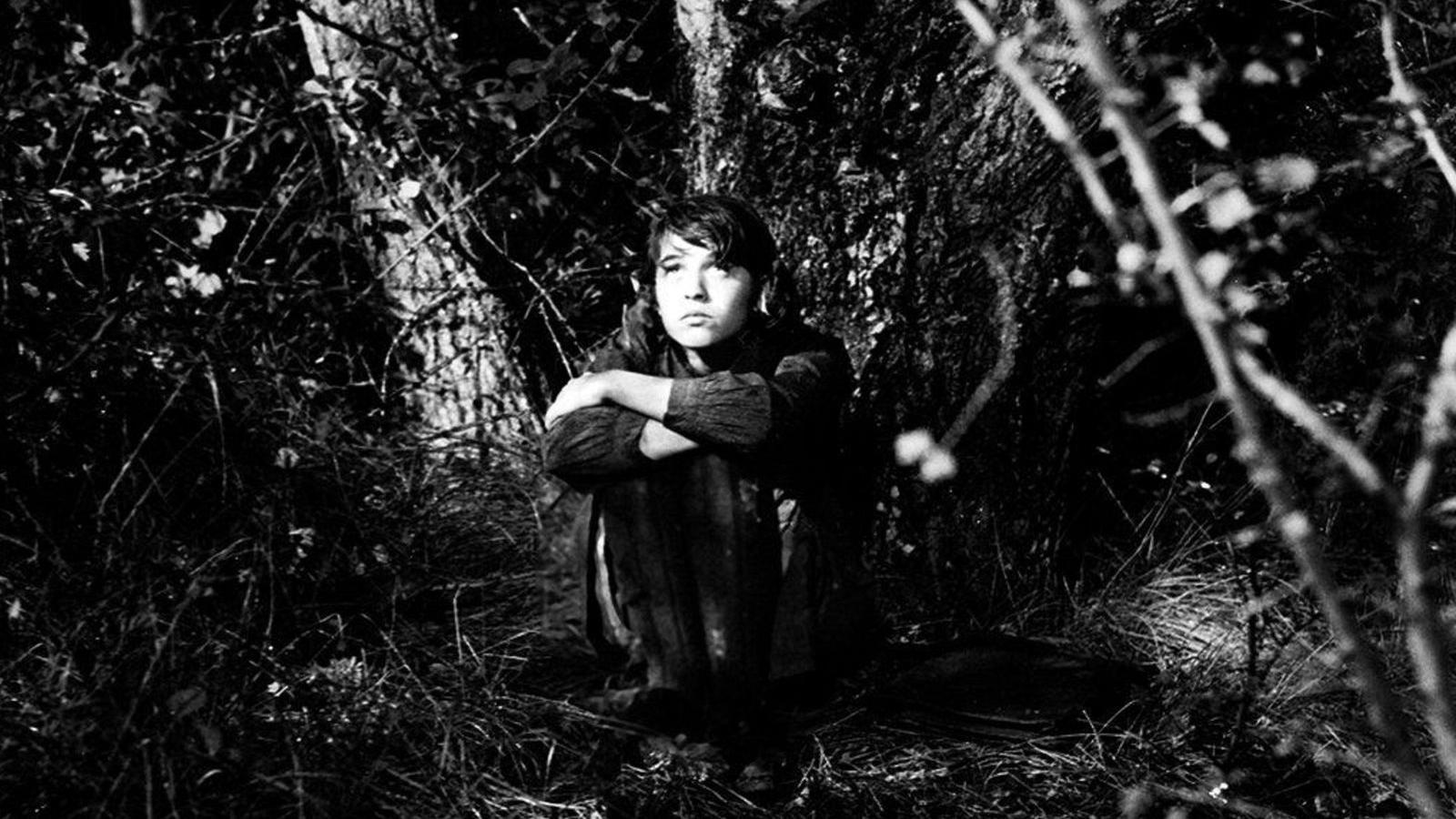
'Génie la boja', by Inès Cagnati, portrays a rural and extremely poor France that we can only imagine in black and white and wrapped in a fog that smothers everything

-
CAT -
CAST
- Inès CagnatiQuid Pro Quo EdicionsTranslation by Marta Marfany208 pages / 22 euros
Published in 1976, Génie la boja is the best-known novel by Inès Cagnati (1937-2007), a French writer of Italian origin little known among us and who, now, thanks to the good work of the Balearic publishing house Quid Pro Quo and an impeccable translation by Marta Marfany, we have the opportunity to start reading it in Catalan. Among other titles she left behind, this harsh and dark story, like the world it portrays, stands out on its own merits: a rural and impoverished France that we can only imagine in black and white and shrouded in a fog that suffocates everything. The rivers, the wind among the willows, and the daisies growing on the edges of the paths have the same weight and receive the same treatment, exquisite and brutal at the same time, as the most unconfessable family secrets.
At the center of everything is a mother-daughter love story difficult to surpass in harshness, but which is intuited to be crossed by a very deep love. The words mother and daughter do not appear even once in the entire novel, even though the narrator's voice is that of the daughter. The mother, who is the one nicknamed boja because of a premature pregnancy, does not have any gesture or word of love towards her daughter, whatever the circumstances they go through, and there are very painful ones. The daughter only runs after her mother or waits for her alone, at night, at the door of the house, when she returns from toiling in the fields, the corrals, or the kitchens of the village houses.
Inherited silences
The novel's style fits like a glove with the terseness of what it explains and acts as a booster for the dramas that simmer within it. With a high awareness of sentence rhythm and a capacity for synthesis that leads to the evocation of what is not explained, the novel's strength lies in what happens off-screen: if we see a little girl in a crumpled floral dress with a priest sitting in a chair beside her, nothing more needs to be explained. The first third of the book, which is basically a presentation of the mother's character made solely through the eyes and voice of the daughter when she is still young, is a marvel.
The novel is also a tribute to the cyclical rhythm of nature: harvests, farm animals, foxes surrounding the house almost ready to assault it, crops under the sun, the slaughter of the pig... and, alongside all this, which acts as a balm, there are the catastrophes that erupt in small communities: terrible and, moreover, covered up with silences inherited from generation to generation. Families who do not forgive a single slip-up, grandmothers who do not love their granddaughters because they are bastards, and grandfathers who only sit in a corner reading books about ancient and mad kings. A world where men impose the law and women are nothing but beasts of burden, always available to clean a very dirty court or to enter a very clean bed: there is no difference between the service rendered in one place or the other.
