Three scammers by the banks of the Thames: a story of late-capitalist London
Two of the main axes around which the brilliant new investigation by Patrick Radden Keefe, 'The oligarch's son', revolves are two falls into the void

-
CAT -
CAST
- Patrick Radden Keefe
- Periscopi / Seix Barral
- Translated by Ricard Gil
- 412 pages / 23.90 euros
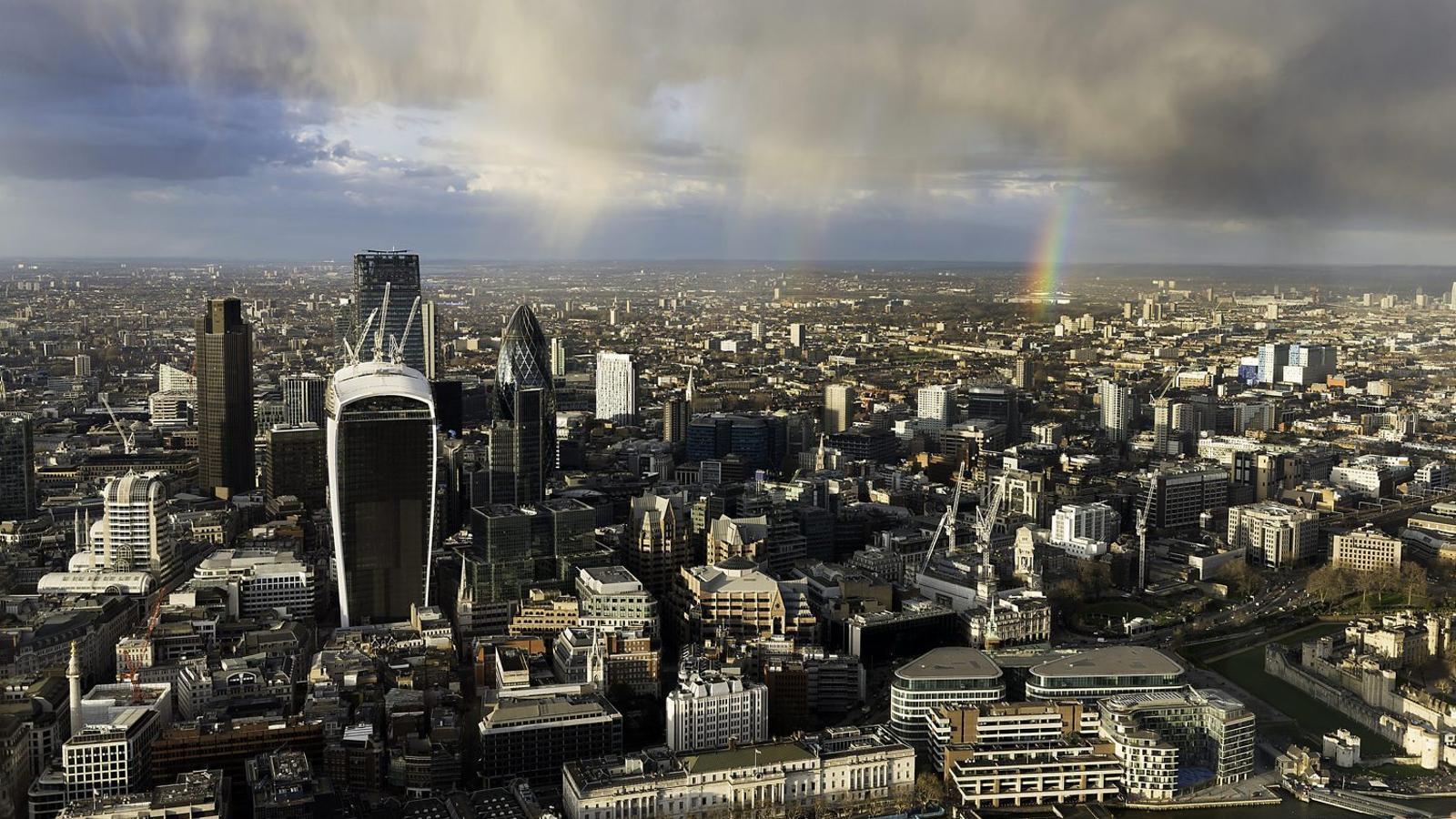
The original version of the title, London falling, is as apt as it is untranslatable because, besides being almost homonymous with one of the most important albums in English music of the 70s of the 20th century – London calling by The Clash – it manages to bring together two of the main axes around which the new and brilliant journalistic investigation by Patrick Radden Keefe revolves: two falls into the void, two decays. The first fall and the most obvious one is that of a nineteen-year-old boy from the balcony of a luxury building into the waters of the Thames, a victim of a web of lies and scams that he himself helped to generate, and the second is that of the city of London, surrendered years ago to the total liberalization of the economy and thus converted into a free landing strip for foreign millionaire oligarchs with plenty of money to launder and no scruples. Mirroring the London of the Industrial Revolution that Charles Dickens novelized, Radden Keefe portrays the London of the 21st century, a glass city that has built mountains of wealth on empty buildings that act as a screen for capital investments of criminal origin, a city where investors dine in five-fork restaurants while looking for the next victim to sell a block of flats in Abu Dhabi.
The daring and imposture of a young man
Radden Keefe starts, as always, from a real episode. A story that must have touched a nerve, because he is the father of two teenage sons, in whom he must have seen the tragedy of young Zac Brettler mirrored, an English middle-class boy with an apparently easy life. The classic questions about the future of children –what will they become? How to protect them without being too overbearing? What does the mobile phone give them, that they spend so many hours on it?– are triggered in the reader's mind as the journalist narrator investigates the boy's environment and provides personal, but also political, economic, and sociological context to the events. His privileged eye and the titanic capacity to pull historical threads back to explain the present give depth to a story that reveals and darkens as it progresses, in the same way that Radden Keefe, who met the young man's family and forged a very good relationship with them, discovered the folds of a story based on many lies. The main one and the engine of it all is that Zac Brettler invented that he was the son of a Russian oligarch to imitate his classmates at the private school where his parents, thinking they were helping him, enrolled him. His daring and imposture brought him closer to some very dark characters, whom his parents could not even imagine lived next door.
And what characters: Verinder Sharma, in his fifties, third child of a family that migrated to the United Kingdom, a juvenile delinquent, a mobster capable of ordering the murder of a hitman in the blink of an eye, and Akbar Shamji, forty years old, elegant and mysterious, son of a family of Indians from Uganda, specialized in sinking apparently glamorous businesses like a theater or a record label, are the two men with whom Zac wove a kind of friendship that was entirely self-serving on all sides, which would end up costing him his life. Did they become friends with Zac, were they protecting him, or did they only want him for the money he appeared to have? What happened in the luxury apartment on the night everything rushed to its conclusion?
The rationing of information is millimetric, as in all of Keefe's books, but even more so in this one, which approaches the model of the mystery novel: it is foggy and full of meanders, like the Thames, which acts as the fourth character of the novel, the city's engine and tomb. There is no great final revelation, everything remains muffled in the black waters of the river: is there police incompetence and greyness during the investigation of Zac's death or is it rather corruption? Are these characters from the London underworld or are they protected by someone high up in the secret services? We cannot stop marveling at Radden Keefe's ability to find witnesses in the most dangerous environments in the world.
This story of three con artists who deceive one another and end up swallowed by their own misery leaves a very uncomfortable aftertaste and a feeling of desolation: we are in the hands of a system that is not that it doesn't look after our well-being, it is that it is incapable of watching over our most elementary safety.
