The public and the critics save the furniture of a desolate Sitges awards list
‘Sanguine’ wins the award for best film and imposes itself over major works like ‘Wildwood’ and ‘Company’
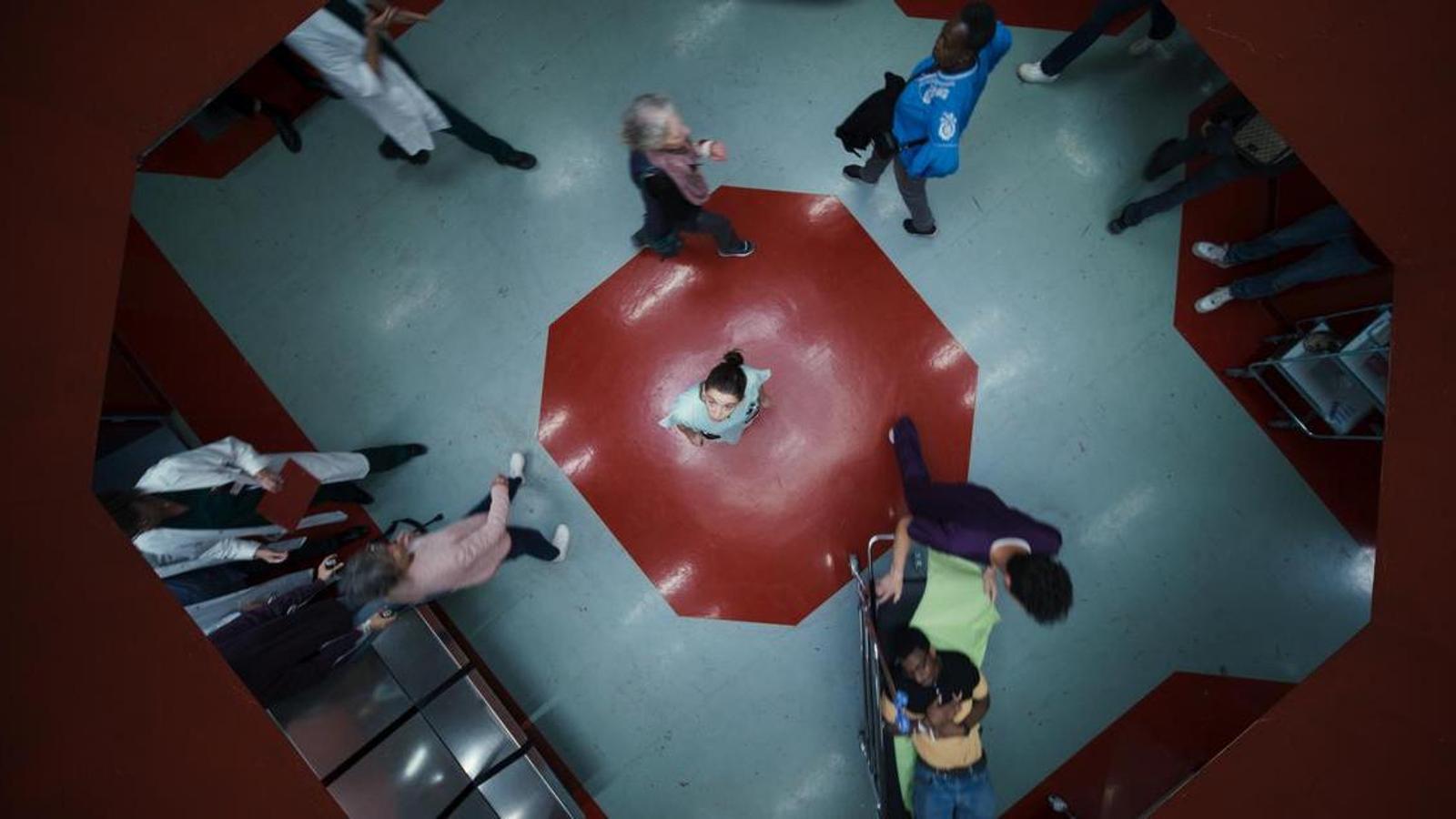

SitgesThe audience at the Sitges Festival, so noted this edition for the bad habit some spectators have of applauding every violent death whether it is pertinent or not, has once again shown that, when it wants to, it can be the great asset of this festival. And it has done so with a simple and natural gesture, of elemental justice: awarding the best film of the festival, Wildwood, an extraordinary film that is already history of animation cinema, if not of cinema in general. The film from the animation studio in stop motion Laika, a true technical and cinematic prodigy, has taken the festival's Audience Award, but the official section jury has completely ignored it in its list of winners and opted to award a minor and derivative work like the French Sanguine, the second feature film by Marion Le Corroller, which underlines with a fluorescent pencil its critique of the labor exploitation of capitalism with elements of body horror borrowed from much superior recent titles like Cru or The Substance.
What leads a jury to ignore a masterpiece like Wildwood and award an effective but sensationalist film like Sanguine, so populist in its simplification of the issues it denounces, so evident in its appropriation of foreign resources? Perhaps the desire to push the career of a young director with a future, to mark a profile with respect to other festival juries?
Be that as it may, it was a mistake to award Sanguine. Just as it was to grant the Jury's Special Prize, the second most important in the list of winners, to a nice and mischievous film like Drag, by Greg Yagolnitzer and Raviv Ullman –and produced by Danny DeVito, who promoted it at the festival–. We already noted that Drag was one of the most refreshing proposals of the official section, but at a considerable distance from another work absent from the list of winners like Company, by Casey Affleck, which traces with exquisite gothic calligraphy an unexpected fantastic story with literary ambition and narrative depth. It asks, mind you, for a small effort that the jury seems not to have wanted to make.
There is also no place in the official winners' list for The incomer, an intelligent and very funny satire that starts from such disparate elements as folk horror, evictions, and extreme cultural clashes, and which did win the José Luis Guarner Award from the Fipresci critics' jury. The official jury, on the other hand, has granted its third most important award, for best direction, to Indonesian filmmaker Joko Anwar for his festive and stunning – in the final stretch – supernatural prison comedy Ghost in the cell, which also took the youth jury award. The winners' list is completed by the award for Italian actress Jasmine Trinca for The spiral, which also took the Silver Méliès for best European fantastic film; the best actor award for Benoît Magimel for Stories of the Night; best screenplay for the dark horror comedy Buddy; best cinematography for Titanic Ocean; best original soundtrack for River and best special effects for the spectacular Korean superproduction Colony.
