Gender identity was already problematic in the 17th century
Sandra Hüller, the European actress of the moment, stars in the period drama ‘Rose’
-
CAT -
CAST
- Director and screenplay: Markus Schleinzer
- 93 minutes
- Austria and Germany (2026)
- With Sandra Hüller, Caro Braun, Marisa Growaldt and Godehard Giese
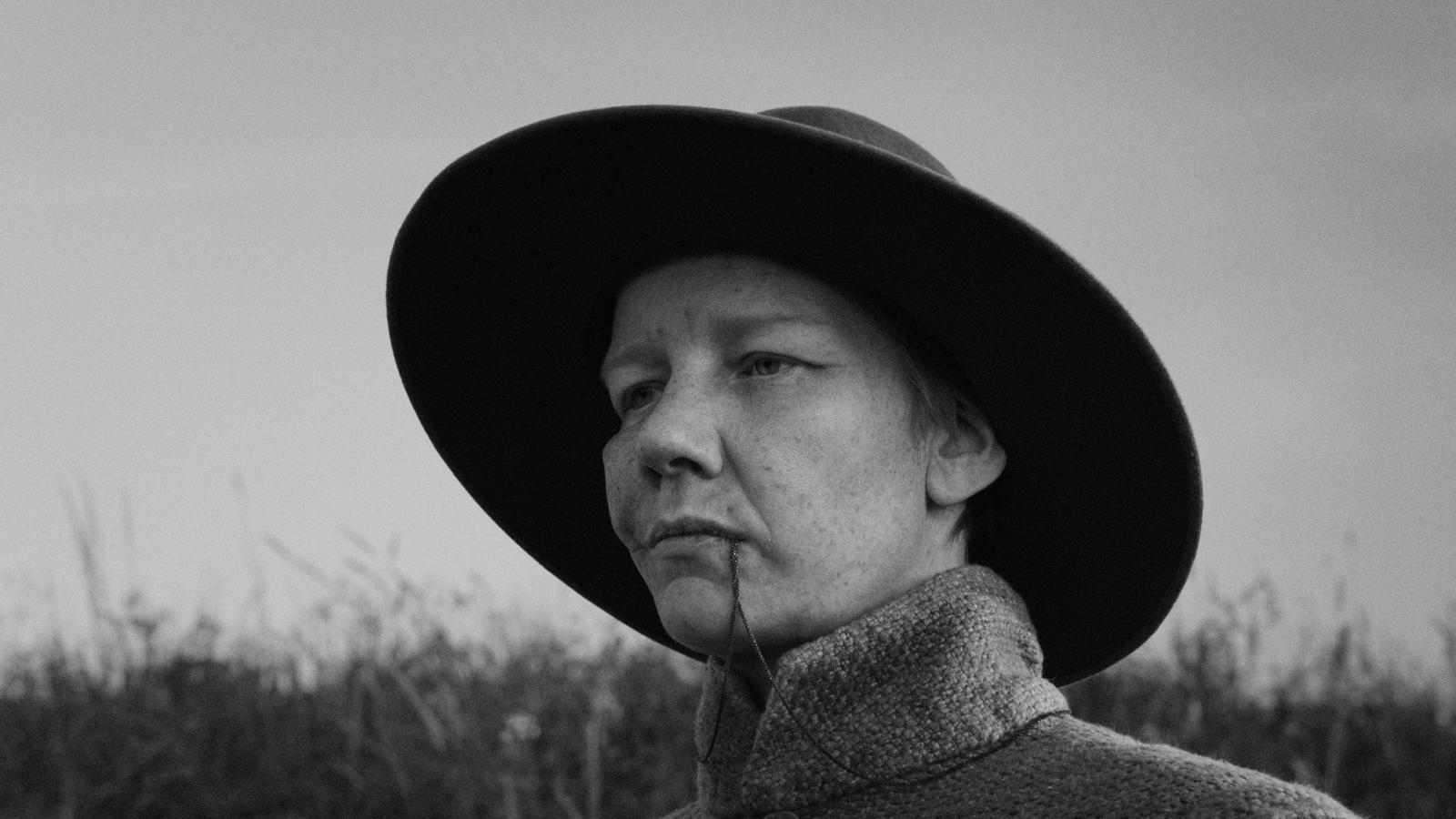
Rose, the character that gives its name to Markus Schleinzer's third feature film, never existed, but in her figure converge many stories often reduced to a footnote: that of those women who, throughout the centuries, have subverted gender conventions by passing themselves off as men. It is possible that, like the film's protagonist, some arrived at the conclusion that the male is the only tolerable sex to exist in society. This is how Rose presents herself to the neighbors of a small German village, explaining that she is a veteran of the Thirty Years' War who has inherited a property in the area. With time, she manages to overcome suspicions, integrates into the Protestant community, and marries one of the young women of the region.
Premiered at the Berlinale, the film describes the marital life of this inadvertent lesbian couple without morbidity, focusing on the portrait of an affection that grows around a mystery that, for convenience, must remain unexplained. Probably, the mise-en-scène shown in the images of Rose would be much less convincing if it were not led by Sandra Hüller, who builds the character based on the gestural economy of someone who understands discretion as a breastplate. The shield, however, is fragile, and when it falls into the clutches of intolerant incomprehension, the actress's face becomes a reverse of Dreyer-Falconetti's Joan of Arc, with an expressive commotion that projects logically toward the current debate surrounding gender identity.
