The 'Game of Thrones' actress who ended up in a cult (and can now talk about it)
Hannah Murray, now retired from acting, was under the influence of an organization that made her believe that magic was real
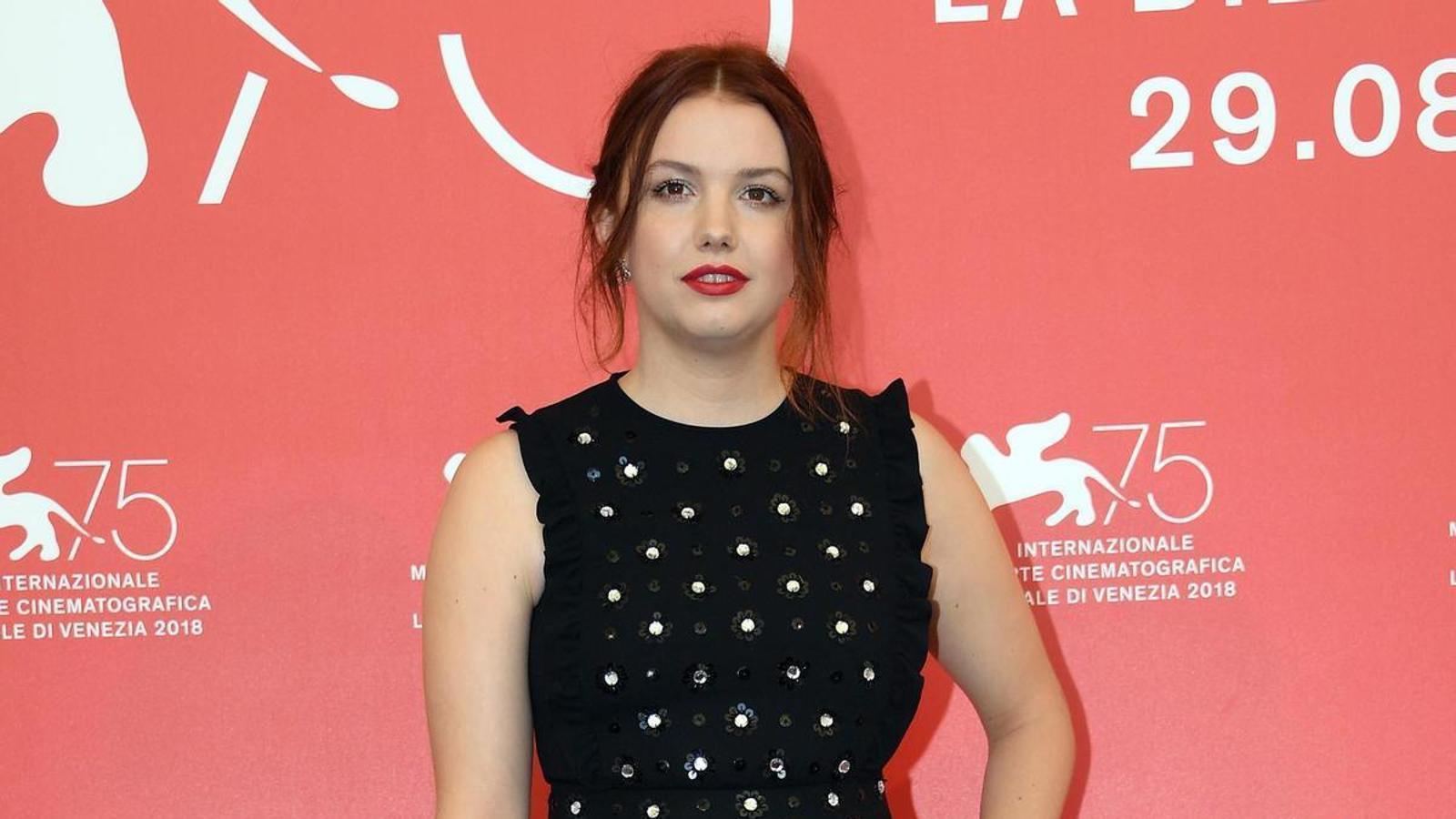

BarcelonaHannah Murray began her acting career as a teenager, but for the past eight years she has been living completely retired from the world of acting. Between the beginning and the end of her career there are two defining moments: her time on Game of Thrones, which made her known worldwide, and her entry into a cult that led to a mental health crisis. Now the actress, who for many will always be remembered as the wild Gilly, reviews her traumatic experiences in the autobiography The Make-Believe: A memoir of magic and madness. Although Game of Thrones is the most popular title in his filmography, Murray has also participated in other productions such as the risky teen series Skins(2007-2013), she played a young woman with anorexia nervosa, or the musical film "God help the girl (2014), the directorial debut of Stuart Murdoch, leader of the band Belle & Sebastian. In the book, Murray explains how his entry into a cult, which he calls "the organization", coincided with one of the most important projects of his career, the film Detroit (2017), by Kathryn Bigelow, had scenes of great emotional wear. To prepare for them, the actress contacted a coach of interpretation that introduced her to the idea of "opening yourself as much as possible to let something pass through you." The actress describes the process as "almost shamanic."
Healing and protection
In the context of this process, Murray, through this coach, came into contact with an organization focused on personal well-being and spiritual guidance. The actress entered into a spiral of courses and classes that promised healing and protection. Through different trainings, Murray could aspire to achieve different levels of wisdom. In the progression within this organization, which led her to believe that magic was real, Murray ended up meeting the leader, whom she simply calls Steve.

The actress's relationship with the organization took a tragic turn when, during a five-day course at a London hotel, her behavior began to become erratic, due in part to sleep deprivation. The actress ended up falling into a manic state and was transferred to a London hospital, where she was admitted for 28 days under the UK's mental health act.
During her time in the hospital, Murray exchanged text messages with Steve to try and understand what had happened to her. "I feel like I've been experiencing some very serious side effects as a result of one of your courses. I'd like to know if this is normal," the actress asked the cult leader, who replied: "You have been freed and everything will be fine." In this remote conversation, Steve also insinuated that she had been possessed by a demon. "I probably sent about twenty messages for every reply. I didn't really care that the dialogue seemed one-sided," she says about the messages. Furthermore, she adds that, for her, Steve was "on a pedestal above all other humans".
Following her hospitalization, Murray was diagnosed with bipolar disorder. "Diagnoses can be complicated for some people, but for me it was a great relief to understand my emotions through that lens," the actress points out in an interview with the Guardian.
Currently, the actress has retired from acting, a profession she says she doesn't miss. She also stays away from anything that smells of the wellness industry. "Even the gentlest things can be quite distressing. I don't meditate anymore. I wouldn't go to a crystal shop. I don't do yoga, because I don't really know what something that's too woo-woo for my personal threshold might devolve into. But I now realize how pervasive this wellness culture is. How often people you don't know offer it to you as a remedy. You say: "}«I'm having trouble sleeping," and they reply: "}«Have you tried meditation?" It's everywhere, seen as an inherently positive solution. And there are harmless or positive versions of it. But as someone who was looking for something to completely heal me, a magic wand or a silver bullet, the promise seemed alluring and addictive," she explains in the British newspaper.
