This is how the new intelligent super-radar works, capable of fining up to eight infractions at once
The Pamplona City Council premieres a new type of device
-
CAT -
CAST
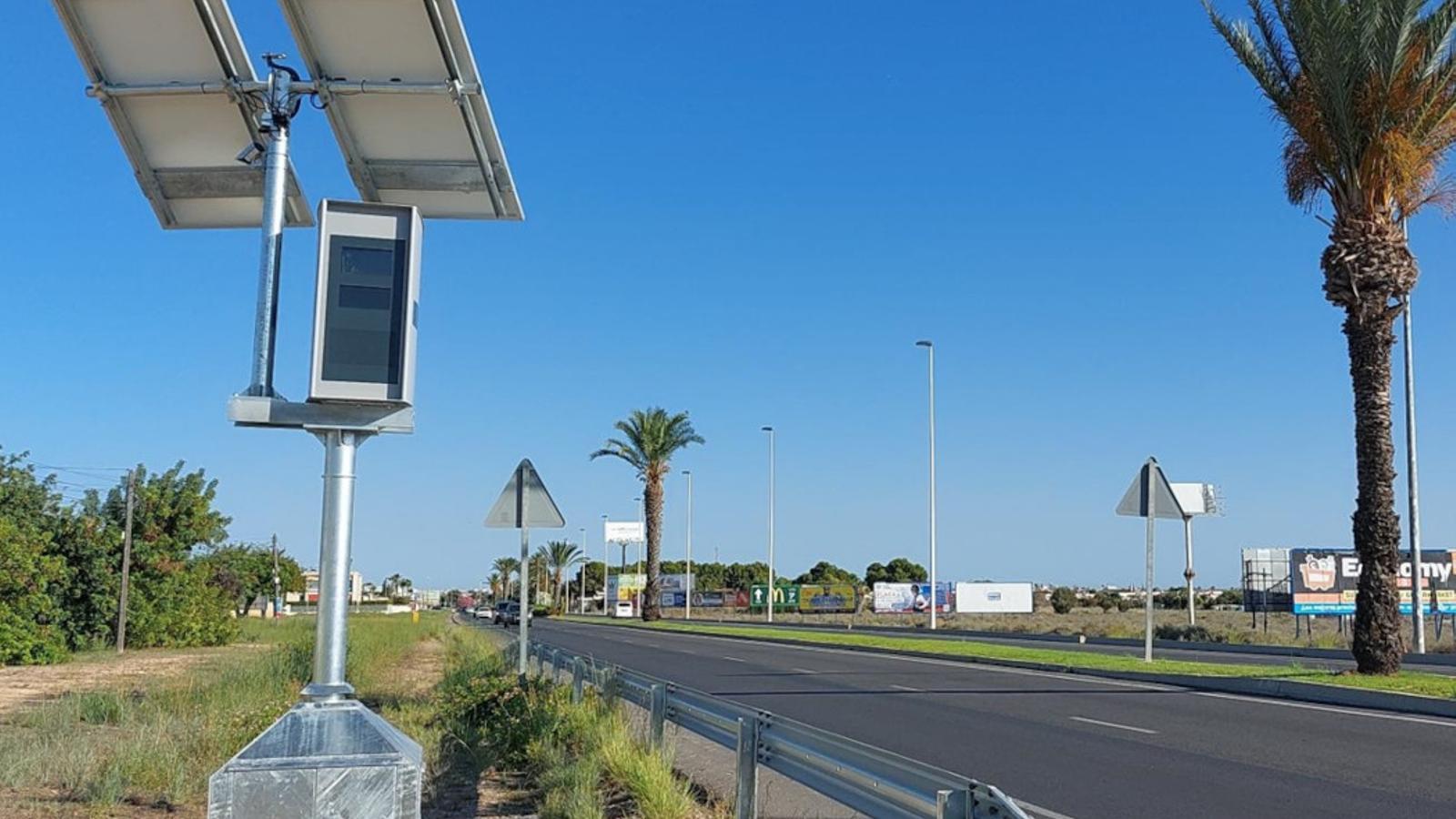
BarcelonaThe future and the technification of road safety are advancing by leaps and bounds thanks to the technological possibilities offered by AI and the will of the different administrations, such as the Pamplona City Council, the first in the State to purchase four units of the new AI radar capable of detecting up to eight different infractions simultaneously.The super radar, which the Navarrese capital is premiering this June, has a high-quality color camera and a license plate identification and reading system that allows it to process and identify vehicles at different distances, traffic directions, and in various lanes. In fact, these new devices are more reminiscent of a traffic camera – in fact, they are – than a conventional speed radar.
- 1. Lane changes New generation radars with integrated cameras can detect lane changes and illegal lane changes.
- 2. Speed New generation radars can determine the maximum speed of cars traveling in different lanes, and even apply different maximum speed criteria.
- 3. Driving against traffic New radars can determine the direction of travel for each vehicle, even in reversible lanes.
- 4. Prohibited turns New radars can identify if a vehicle is making a turn where it is not permitted.
- 5. Running a red light Thanks to the integrated camera, it can identify if a vehicle runs a red light without stopping.
- 6. Seatbelt usage The new radar can identify the vehicle and whether its occupants are using the mandatory seatbelt.
- 7. Mobile phone usage Radars with AI can also identify if the driver is using their phone while driving.
- 8. Respect for pedestrian crossings and areas marked with yellow lines Thanks to its camera, it can fine a vehicle that stops or parks in an area marked with yellow lines or if it does so in a pedestrian crossing zone.
These new generation radars must be located at a high point (on a traffic light, preferably) and withstand extreme temperatures between -30 to 70 degrees Celsius. They can cover a speed range between 10 km/h and 320 km/h, with a very low margin of error. Its operating system allows them to detect lane changes, calculate the permitted speed in different lanes of the same street, see if the driver is using their mobile phone, check seatbelt usage, improper driving in the opposite direction, prohibited turns, not respecting a red light, approach and priority at pedestrian crossings, stopping and parking in a space marked with a yellow line or changes of direction, among others.According to the Pamplona City Council, the unit price of each radar is 20,000 euros (VAT excluded), which has resulted in a total expenditure of 80,000 euros plus VAT for the four new generation radars.
