Seat will not disappear (for now)
The Volkswagen group confirms the future plans of the Martorell brand until the year 2030
01/06/2026 - 21:43 h
-
CAT -
CAST
Seat has gone more than 7 years without presenting any new model, and its current range is limited to the Arona, Ibiza, and Leon, after having stopped manufacturing the Ateca and Tarraco SUVs, and previously having also canceled the continuity of the Alhambra minivan and the Mii urban electric, among others.During recent years, the financial and industrial efforts of the Volkswagen group have pivoted around the new Cupra brand, which has concentrated new models and electrified versions as a market consolidation strategy. The result of this industrial commitment has been clearly successful, as Cupra has become one of the commercial pillars of the Volkswagen group, but it has postponed electrification and the arrival of new models for Seat, the rational, practical, and more or less affordable brand of the group.A leadership in Spain difficult to give up
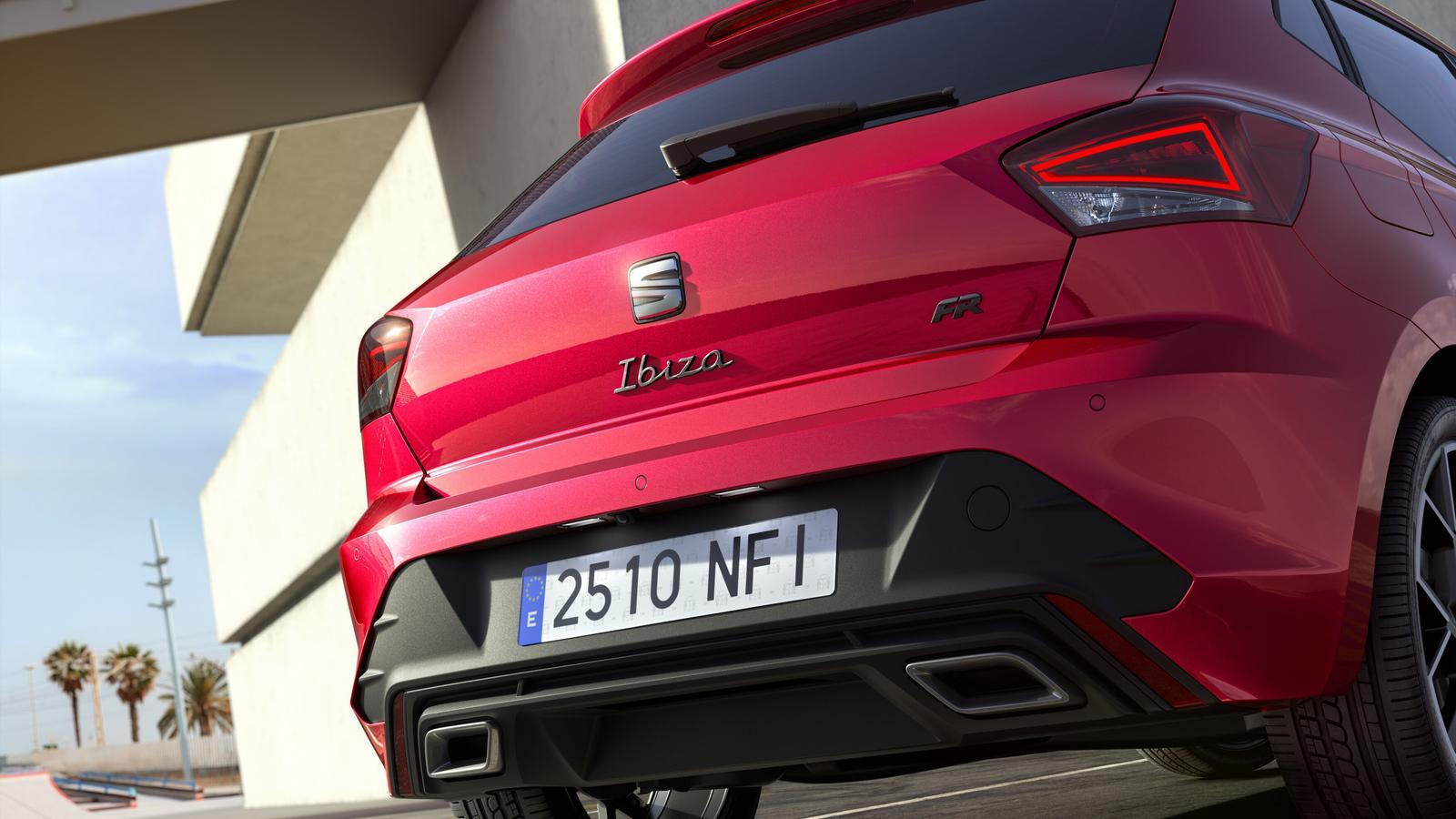
Despite having a very short commercial offer, Seat is capable of placing the Ibiza and Arona on the lists of best-selling cars in Spain every year, and of maintaining a good volume of sales in European markets such as the United Kingdom, Italy, France, Belgium or Germany, among others. In this regard, in the framework of an interview with the British medium Autocar, the new CEO of Seat, Markus Haupt, has confirmed that he will develop new mild hybrid or light hybrid versions of the Arona and Ibiza to reduce consumption and emissions of its models through a practical and simple approach, especially in a complicated horizon due to the tightening of European regulations on CO2 emissions.What Seat will not yet have is an affordable urban electric car manufactured under the brand's logo. At the moment, the Volkswagen group prefers to bet on the Cupra Raval or Volkswagen ID Polo to generate a commercial margin that justifies the necessary investments to manufacture electric cars. Although these models are manufactured in Martorell, the group's management wants to wait a few more years before taking the step of electrifying the Seat brand. The costs of development and production of new vehicles, the production cost of batteries, and especially the scarce demand for electric cars in Seat's price segment and buyer profile would hardly justify a new electric vehicle with the Seat emblem.In this regard, the future of Seat is secured until 2029 or 2030, when, as Haupt himself points out, "the future of the brand will need to be evaluated" in the context of "a new scenario with the entry into force of new regulations affecting combustion vehicles". Until then, however, the CEO states that "Seat will continue to bet on the continuity of combustion models that are still commercially successful".Differentiation strategy with Cupra
Although Cupra was born as a sporty and aspirational appendix of Seat, the new CEO of the brand is clear: “We need to deepen the differentiation of Seat and Cupra”, to reinforce with the confirmation that “we will not see a Raval with the Seat logo”.Cupra's new strategy involves differentiating its product from Seat cars, and in this regard, we will never again see shared models with Seat and Cupra versions, as in the case of the Ateca or the Leon. “That was an intelligent and appropriate decision at the time –affirms Haupt–, but it is no longer useful if we want to consolidate Cupra's takeoff as a brand with a completely independent product portfolio, far from Seat.”
