Who are the Faber-Castell? The family that leads the world production of pencils
The ninth generation of a lineage worthy of a novel heads the German multinational
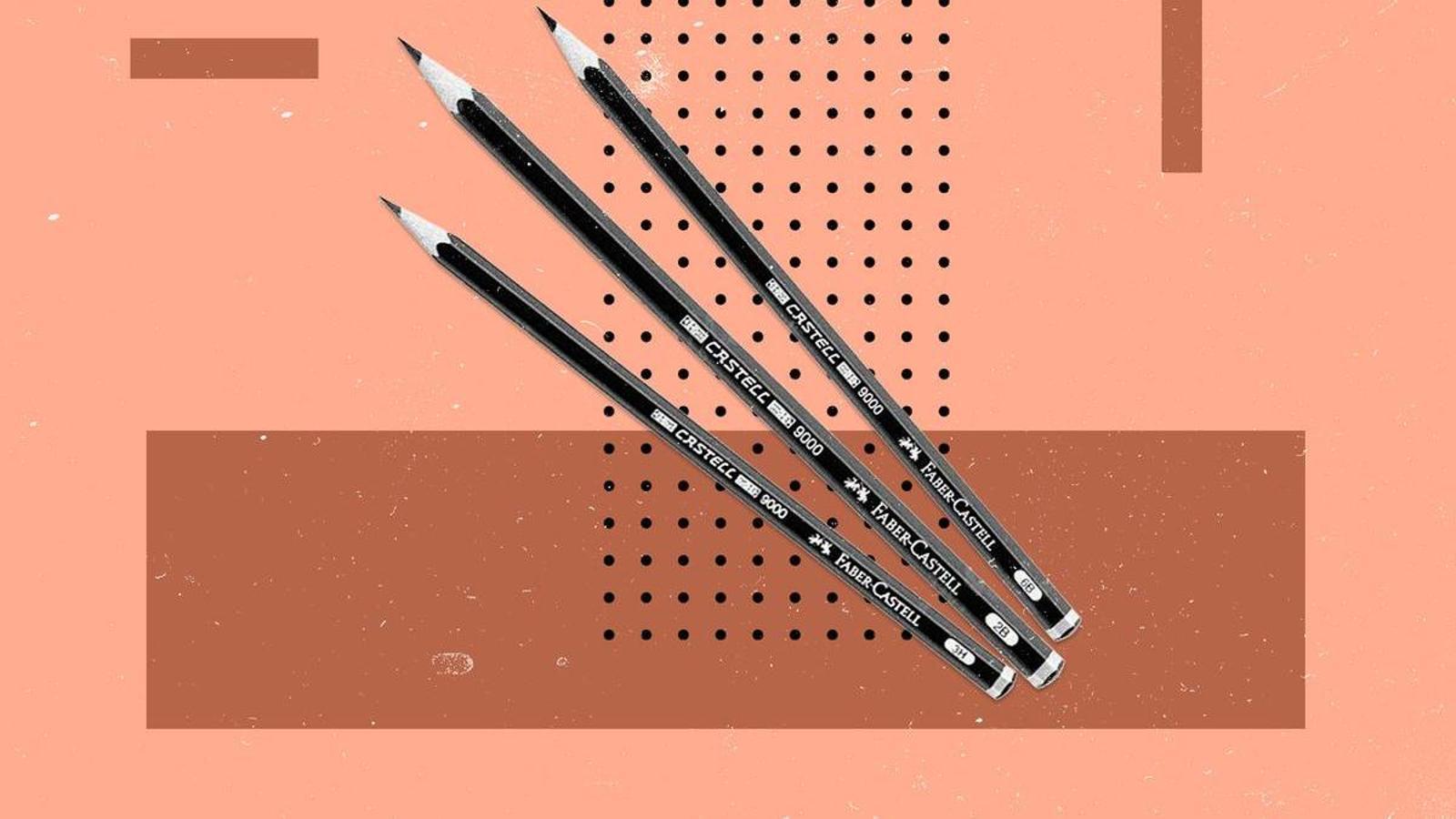
An eraser, a ruler, a pair of pens. Also two highlighters, a pencil sharpener and, of course, a few pencils. This week, with the return to classrooms, pencil cases have been filled again with school supplies. And on the back of many pencils –especially those that students will use for the most artistic subjects– there will be stamped the same name: Faber-Castell. They are the two surnames of a German dynasty that has been manufacturing them for more than 260 years.
Today, the company is the world's leading manufacturer of wooden pencils: it produces more than 2 billion each year, employs about 6,200 people, has production plants in nine countries and sells its products in more than 120 markets. It has a turnover of more than 600 million euros per year.
But who are the Faber-Castells? Behind the dynasty is a family history full of characters worthy of a novel: a craftsman who started making pencils in a small workshop, a baron who knew how to turn them into a product of international prestige, a young heiress who took over the family business after a succession of premature deaths and a count who, upon marrying her, originated the Faber-Castell surname. In total, nine generations of the same family have passed through a company that continues to have its headquarters practically in the same place where it all began in 1761.
A workshop on the outskirts of Nuremberg
That year, Caspar and Maria Faber, a married couple living in Stein, a small town on the outskirts of Nuremberg, began manufacturing pencils. At that time, the pencil was still a quite rudimentary product, made by small manufacturers who combined graphite and wood in a handcrafted way. Caspar saw in it a way to make a living.
The first leap was made by his son, Anton Wilhelm. When he took over the business, he bought some land on the outskirts of Stein and moved the production there to transform his father's small workshop into a factory. It is right there where Faber-Castell continues to have its headquarters today. Next would come Georg Leonhard Faber, the third generation of the family, who maintained the business despite some economically difficult years.
But the person who truly changed the dimension of the company was his son Lothar. When he took the helm, in the mid-19th century, he understood that to compete, it was not enough to manufacture more pencils: it was necessary to manufacture better ones and, above all, to ensure that the consumer recognized them. He improved their quality, began stamping the name A.W. Faber on them, and promoted the company's international expansion.
His brothers joined him. The youngest, Eberhard Faber, left for the United States and from 1849 managed the New York branch. Johann Faber, on the other hand, worked for years alongside Lothar. He trusted that the succession would fall to the only son he had, Wilhelm. The young man was trained in a Swiss business school, took on responsibilities within the company, and traveled through Russia and the United States to attend to the family businesses.

But the plans were suddenly cut short: Wilhelm died prematurely in 1893, at 42 years old. Three years later, Lothar also died. The pencil empire was left hanging by a thread.
The succession ended up falling to Ottilie, Wilhelm's eldest daughter and Lothar's granddaughter, who was only twenty years old. In 1898, she married Count Alexander zu Castell-Rüdenhausen, and from that marriage came the name that still identifies the company today: Faber-Castell. Alexander took over the management of the company and, in 1905, launched one of the products that would define it: the Castell 9000, the characteristic green pencil that is still part of the brand's catalog today. Afterwards, the business passed to his son Roland and, starting in 1978, to his grandson Anton-Wolfgang von Faber-Castell.
With Anton-Wolfgang, the company accelerated its internationalization, opened factories and subsidiaries in Latin America and Asia, and entered into new businesses, such as the manufacturing of wooden pencils for the cosmetic industry. Since 2017, the daily management no longer falls directly to a member of the family, but rather to a professional board of directors. Ownership, however, remains in the hands of the Faber-Castells. Charles, Katharina, Sarah, and Victoria represent today the ninth generation of a dynasty that, more than 260 years later, continues behind the world's leading manufacturer of this object.
