The technological pioneer who brought the telephone to Catalonia
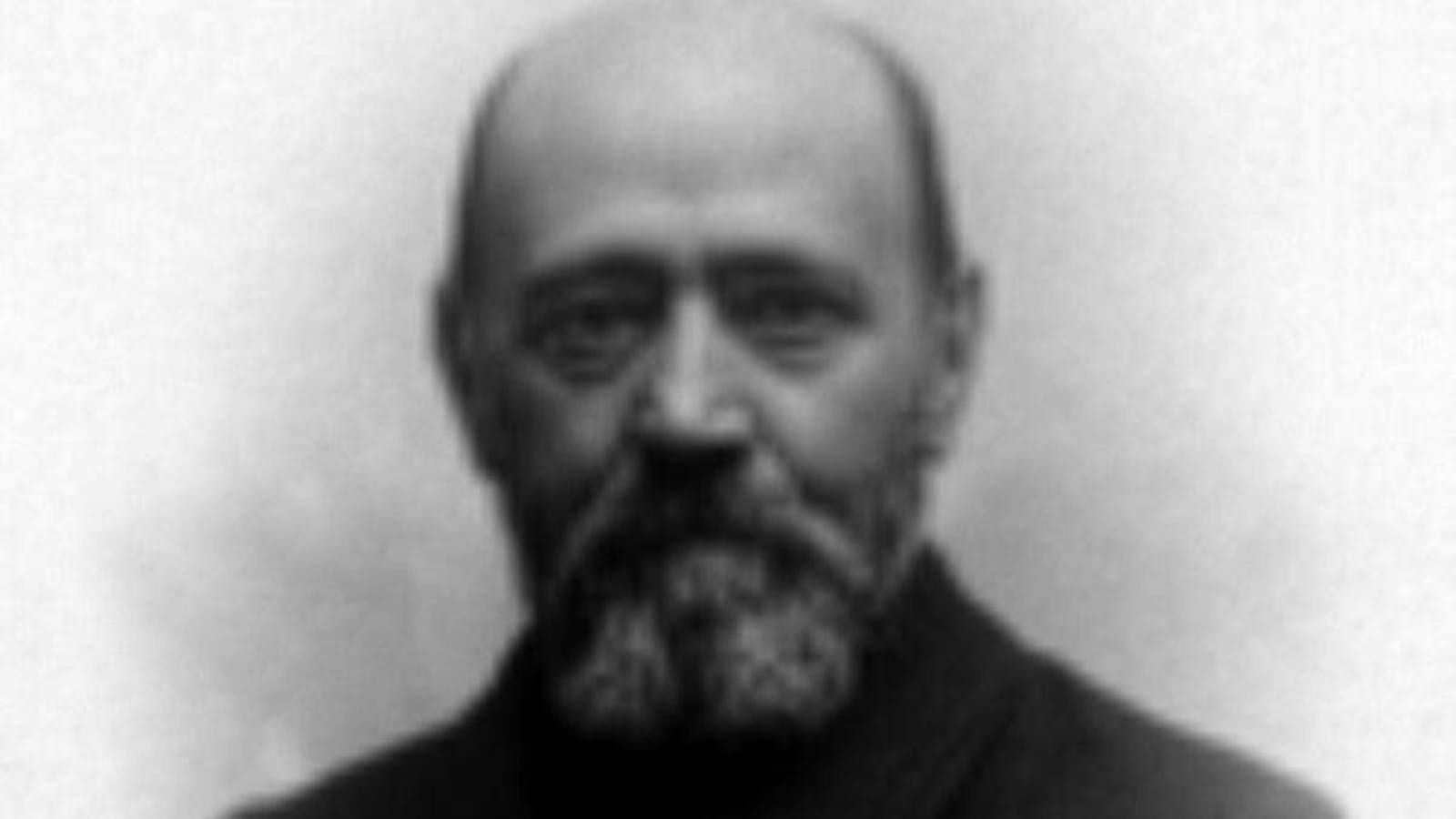
Tomás Dalmau was one of the first businessmen of electricity and telephony companies in Spain
-
CAT -
CAST
On December 16, 1877, an exceptional event occurred that placed Catalonia at the forefront of global technology. On that day, at the School of Industrial Engineers of Barcelona, the first telephony tests in the entire country and some of the first in the world were conducted.
It is important to note that Alexander Graham Bell had presented his invention only one year and nine months earlier, meaning the tests in Barcelona were truly early. However, it must be mentioned in passing that although Bell has been commonly considered the inventor of the telephone, in later times, already in the 21st century, the invention was recognized to the Italian Antonio Meucci, who had named the device telephono. Beyond patent disputes, in Catalonia, the key figure in the importation of the telephone was Tomàs Dalmau, along with his father, the optician and inventor Francesc Dalmau Faura.
That his father, Francesc, was a pioneer of technology in the country decisively shaped the future of Tomàs Dalmau, who dedicated his entire life to technological innovation. Long before the beginnings of telephony, which we have just explained, our protagonist had already learned the watchmaking trade and had begun working in his father's company, which, in addition to manufacturing and importing technology, was dedicated to organizing optical shows (historical cosmorama, virtual journeys, magic lantern, and stereoscopic photography). Some of the devices that the family business brought to Catalonia were the lightning rod, the electric bell, and the Gramme dynamo (the first commercial apparatus that generated direct current). In 1876, Tomàs Dalmau was accepted into the Royal Academy of Sciences and Arts of Barcelona.
- Engineer and businessman
After the first telephone communication experiments in the building of the University of Barcelona, they soon expanded their radius of action with communications between Ciutadella Park and Montjuïc mountain, and the cities of Barcelona and Girona. As there was no telephone network yet, they used telegraph lines for these experiments. In parallel, Tomàs Dalmau began to distribute electricity to clients in the Catalan capital (School of Engineers, Maquinista Terrestre y Marítima, and various factories), which led to the creation of the country's first electricity company, the Sociedad Española de Electricidad (1881).
In April 1875, a demonstration of electricity-generated light was held before local scientists and a large public audience, consisting of the production of a large beam of light through the creation of a voltaic arc in a device installed on the frigate Victoria. Barcelona's night was spectacularly illuminated and, according to some sources, the glow was visible up to six kilometers away. Those first electrical installations were based on the aforementioned Gramme dynamo, which in turn was powered by a steam engine or by gas combustion engines. Dalmau's electricity clients were not only local, but he extended the business to the rest of the peninsula and even to Cuba and the Philippines. Dalmau's eagerness to make the latest world technologies accessible to Catalans also extended to Edison's phonograph, which was presented around Christmas 1878.
Sale to foreign investors
The Spanish Electricity Company not only dedicated itself to serving electrical fluid to its clients, but just three years after its founding it obtained the first concession for a telephone network. Unfortunately, the market did not grow as quickly as the investors expected –with Dalmau at the helm– and the company suspended payments in 1889, later accepting the British Woodhouse and Rawson as majority shareholder. This did not save the company, which in 1894 was sold to the all-powerful Barcelonesa de Electricidad Company, an entity created by Emil Rathenau's AEG, Deutsche Bank, and the Société Lyonaise des Eaux (owners of Aguas de Barcelona), and which had some local partners. In 1912 the Barcelonesa ended up in the hands of Barcelona Traction, Light & Power, the popular Canadenca.
Dalmau's seed would germinate years after his death, because both electric lighting and telephony would become completely widespread in Catalonia. If the Spanish Electricity Company had not managed to make telephony profitable, the Peninsular Telephone Company and the General Telephone Company would, who in 1924 would end up integrated into Telefónica.

