Urgent! A whole town is looking for a butcher
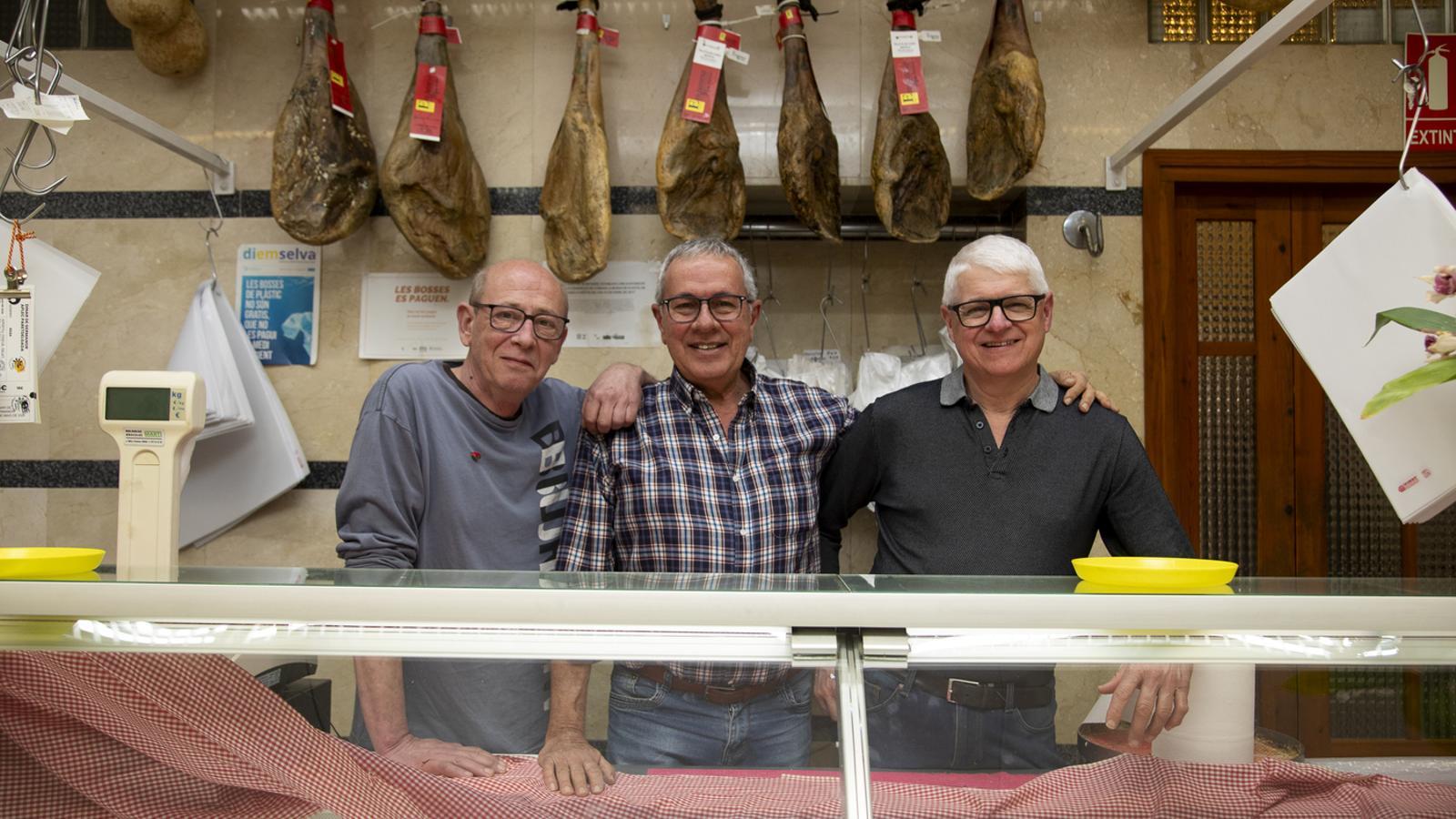
By the end of the year, the three butcher shops in La Selva del Camp, a town in Baix Camp, will close.

-
CAT -
CAST
The Forest of the CampButcher wanted in La Selva del Camp (Baix Camp). Stable long-term job. Morning hours (including Saturday) and afternoons from Monday to Friday. Experience and skill with knives essential. Income guarantee and, above all, absolute guarantee of recognition from the village elders, who are already starting to suffer. "This business of eating well is over," laments Maria, as she leaves Miquel and Pepita's butcher shop. "It's been talked about for a while – she continues – but I prefer not to ask," she says. By the end of the year, the three butcher shops in the village will close, and the only option for the 5,700 residents of Selva to buy meat within the municipality will be to go to the supermarket. For some neighbors, like Maria, this is an unprecedented upheaval. "You don't know how much my grandchildren enjoy it when they come to my house and try grandma's hamburgers... My daughter goes to the supermarket, which is another price, but of course..." concludes the neighbor.
All three butchers are aware of the void they will leave and are trying to find someone to take over the business, but so far, there has been no success. Two of them represent the third generation of butchers in the family, and the other is the second generation. And all of them have had children, but none of them want to continue with their parents' business. "I'm sorry to close this whole facility. I've been here for over 40 years, and everything works, but my two daughters have degrees and other jobs, and they earn more than I do," explains Daniel Vilalta, who is 63 years old and was already going to the slaughterhouse at fifteen. "I've been bringing pigs to the slaughterhouse for 45 Easters. I've contributed more than enough, me."
Daniel represents the third generation of butchers from a business that his great-grandmother opened in 1880. "We are looking to see if any large company wants to take it over. We don't want to leave the town without supplies," he says. Of the three butchers, the Vilalta business is the largest, and they even have pigs. Miquel and Pepita, the two siblings who run the butcher shop about 80 meters further up, are also fed up: "It's over! There's no succession because we are self-employed. Who do you want to become self-employed, huh?" says Miquel while chopping the meat of a steak for a customer. Both are also waiting for the turn of the year to lower the blinds. The third butcher is Anton Ferraté, who will turn 63 at the end of 2026. He might keep the business, but his wife died last year and he cannot afford to hire an assistant. His mother, 88 years old, helps him out, but it breaks his heart. "I don't want to take her from the shop to the cemetery," he says sadly. And he concludes: "If there are no electricians, how can there be butchers?".
Who does the jobs?
Daniel Vilalta's cousin is called Montserrat Soronellas and she is a researcher in social anthropology at the Rovira i Virgili University. "Many people pursue higher studies, but what about those who haven't? How is it that they haven't learned a trade?", she asks. Soronellas laments that "the planning of trades in this country has not worked" and holds the different governments responsible. What happens with the butchers of La Selva del Camp happens in many other places in the country with mechanics, carpenters, electricians or farmers: businesses that are functioning, but have to close because they have no successors. "When EGB was not yet established, from the age of 14 people finished school and started working", explains the anthropologist. Trades were passed down from generation to generation and parents were already concerned with teaching their children how to use knives or work with wood. But EGB directed students towards higher studies and trades began to fall sharply. In this gap, immigration plays a key role: "Since there is no natural population growth, growth comes from the arrival of immigrants, as happened, for example, with many Romanians, who came with learned trades and occupied jobs", explains Soronellas.
In addition to the lack of interest in trades, behind the closure of the three butcher shops there is also a change in consumption habits. More purchases are made online and the convenience of being able to go to a supermarket by car and buy everything in twenty minutes is imposed on the traditional shop model. "Municipalities will realize that they have to support shops and take some kind of action to keep them as part of the urban fabric. Shops light up the street, give life and are very important for towns. Commerce is a way of connecting with people. We cannot afford for the population to concentrate in the same areas", warns Soronellas.

