Four parts instead of two: the most radical change ever seen in football?
Many coaches complain about the hydration breaks, in which FIFA takes advantage to sell more advertising

-
CAT -
CAST
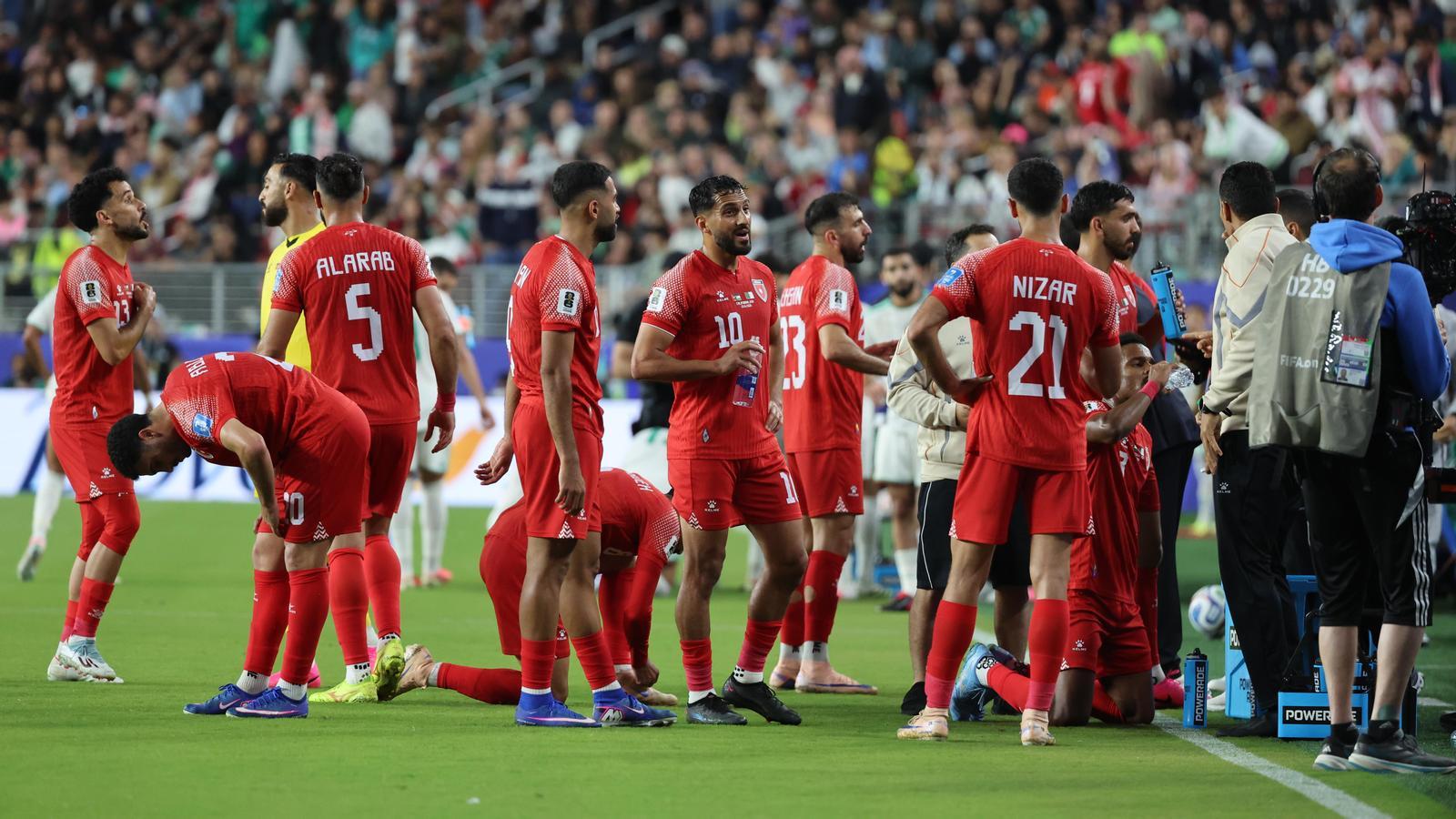
Barcelona"It's a radical change. It changes the essence of the game," says English coach Thomas Tuchel. "I think we're not going to get rid of it now," adds Dutch defender Virgil Van Dijk. "Basically, we no longer have a two-half football, now we have four," concludes Didier Deschamps, French coach. This summer's World Cup may go down in history as the one that forever changed this sport. The hydration breaks, theoretically imposed to protect players from high temperatures, have divided the game into four quarters.
"This is what has been decided. And that's why the players and coaches are adapting to this new reality. We've seen how we can change the game. There's an obvious impact," acknowledges Deschamps. The statistics from this World Cup show how hydration breaks have become a kind of timeout where coaches can give instructions and change the game's dynamic. "It's interesting, we need to keep seeing how it affects us and how we can use it to improve," reflects Catalan Robert Martínez, Portuguese coach. Many teams that are struggling can react after these breaks where they rest and are given instructions. Data from the Opta agency explains that in more than half of the matches, the breaks have changed the script of the game. Others don't see it the same way: "I think it doesn't contribute anything and breaks the essence of the game," complains Uruguayan coach Marcelo Bielsa. "They are short breaks, they serve to reiterate what we've already said in the locker room and little else," says German Julian Nagelsmann.
The hydration breaks first arrived at the World Cup in 2014, after players requested them for days when they were made to play when it was too hot. It was then imposed to take a break at the 30th minute of each half if the temperature reached 32 degrees. Now the parentheses are about three minutes long, approximately at the 22nd minute. In theory, the idea was also to help footballers when it's hot, but FIFA has imposed that it be done in all matches. Also if it's cold and also in matches played in covered stadiums where the temperature is controlled. Breaks where advantage is taken to make a commercial break on the television signal, which has caused criticism of FIFA.
750,000 euros profit per match
"The breaks are purely a sporting issue," argues President Gianni Infantino. "The main reason is the heat, but we also have to understand that in a competition like the World Cup, played over 39 days, with teams potentially playing eight matches in those 39 days, having a moment of rest is extremely important. We do it to help the players," reasons the Italian leader, who argues that "making these breaks brings no economic benefit to FIFA, we have no extra income, as all commercial agreements were signed well in advance." Experts cited by the BBC, however, explain that money carries a lot of weight in these changes. Television broadcasters with World Cup rights can decide whether or not to broadcast advertising during the break. An advertising slot in the middle of each half can bring in 750,000 euros in profits per match to the channel. In a World Cup, the total figure would be over 250 million, if this measure goes ahead.
According to IFAB, the body that governs the laws of football, the idea of breaks when it's not hot "helps to standardize the conditions under which a tournament is played." That is to say, as the stoppage can help coaches to change the script of a match, IFAB is in favor of doing so in all duels, even if it rains, is cold, or the players are not tired. "It's having four halves, more or less," said Tuchel, England's coach. "It can have good things, but it dramatically changes the way we understand our sport," he added. In fact, a good number of fans present in the stadiums boo when the game stops, especially Europeans. Others, like Latin Americans, have seen this measure of having four quarters also tested in their club tournaments. "If it's about making money, I have the feeling that this will stay," said the Dutchman Van Dijk. Once this World Cup is over, FIFA will have to assess how the rule changes regarding the use of VAR or these breaks have worked. And depending on what they decide, a football divided into four quarters could become institutionalized.

