Hantavirus outbreak at sea: are human-to-human transmissions possible?
Although there are documented cases among people in South America, experts clarify that the pathogen does not have pandemic potential
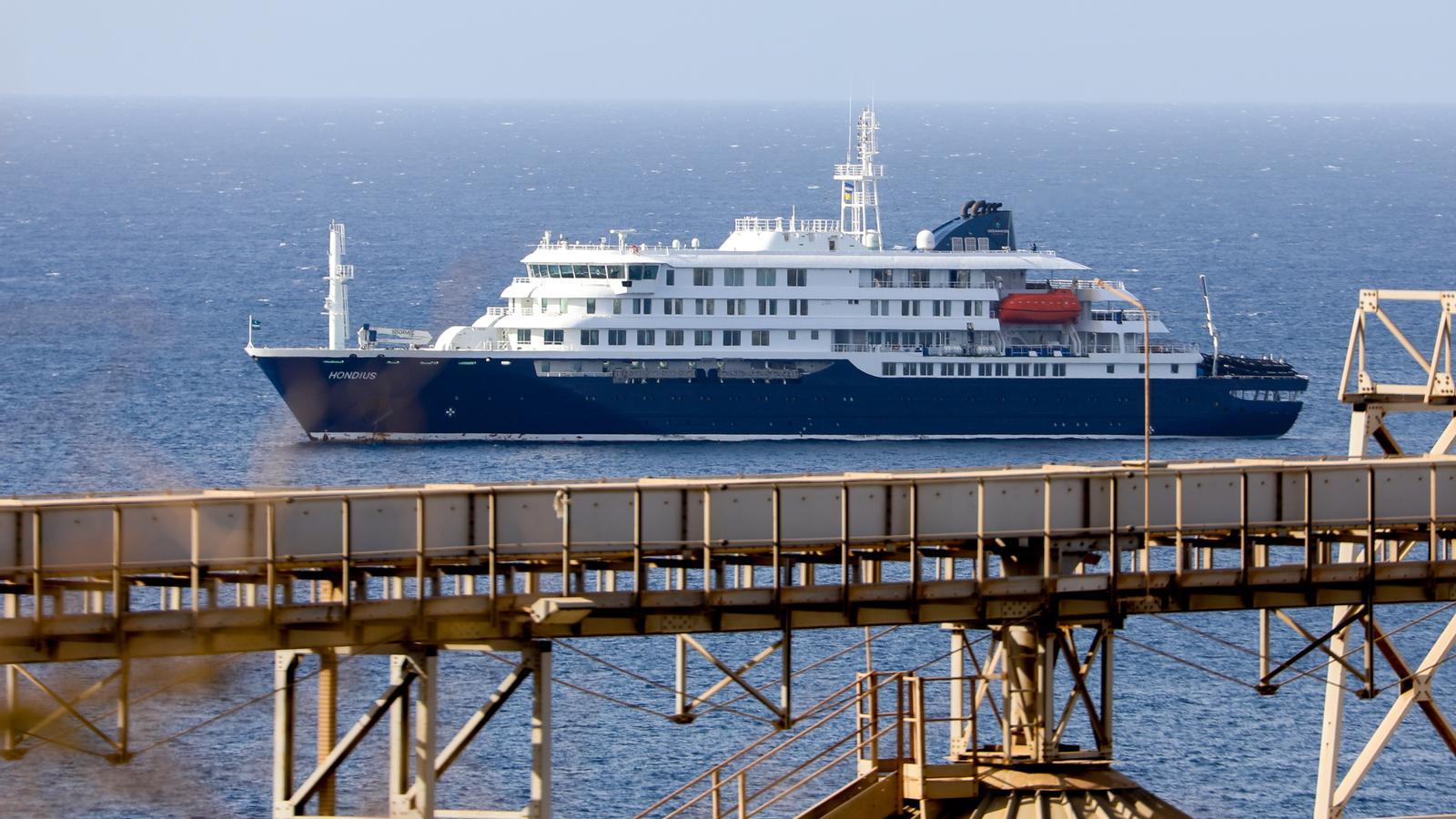

BarcelonaIt is a little-known virus to the public, it is transmitted mainly through rodents and has 147 people paralyzed on a luxury cruise ship off the coast of Cape Verde. The outbreak of hantavirus at sea, which has caused three deaths and at least seven positive cases among passengers on the Dutch ship, has awakened the ghosts of the 2020 pandemic due to some of these parallels with the COVID-19 crisis. However, experts are adamant: human-to-human infection is possible, but the virus is not contagious enough. "It has no pandemic potential," states Fernando Salvador, a specialist from the infectious diseases service at the Vall d'Hebron Hospital, who clarifies that the pathogen has been known for a long time and outbreaks like this occur occasionally, but most cases are usually sporadic and without risk of explosive spread.
Hantavirus is the name given to a group of viruses that are mainly transmitted by inhaling particles of urine, feces, or saliva from rodents –such as the field mouse and the vole– that have been previously infected. Exposure usually occurs during activities such as cleaning enclosed or poorly ventilated spaces, explains Júlia Vergara-Alert, a researcher at IRTA-CReSA and an expert in zoonotic viruses. Although cases of human-to-human transmission have been described, the outbreak is currently limited to the cruise ship. In cases of human-to-human contagion, transmission occurs through very close contact, such as sleeping together or in large crowds. Hence, a ship at sea for days is a priori a good focus for infection, suggest the two experts.
However, the researchers consulted emphasize that the origin of the outbreak is still unclear. In fact, the World Health Organization (WHO) is investigating whether all affected passengers were infected by a common source –such as excursions in a specific territory or within a certain area of the cruise ship– or if this unusual human-to-human transmission has occurred on board the ship.
Two different types of virus
Hantaviruses that affect humans are mainly divided into two categories according to their possible origin: some are found in Europe and Asia, and others are found in America. Salvador details that the difference lies mainly in the symptoms and mortality. The former cause hemorrhagic fever, affect the kidneys, and have a mortality rate below 1%, while the latter, presumably behind the current outbreak, cause cardiopulmonary symptoms and have a high mortality rate of almost 30%. It should be remembered, however, that the lethality of a virus often varies greatly depending on the healthcare systems of the countries where the infections occur, i.e., the healthcare response that can be offered.
The Ministry of Health explains that some sporadic cases of human-to-human transmission have been documented in southern and central Argentina, from where the ship set sail in early April. In addition, several outbreaks of human-to-human transmission have been reported in the southern Andes region of Argentina.
Without treatment
Last year on the American continent, 229 cases and 59 deaths were reported in eight different countries, and experts explain that patients' prognosis often depends on early diagnosis and access to a center with intensive care units (ICUs). This is because there are no specific treatments or vaccines against hantavirus infections, which is why healthcare is aimed at alleviating the patient's symptoms. On the other hand, Vergara-Alert highlights that it is not a virus with a very high mutation rate, as was the case, for example, with SAR-CoV-2, responsible for the 2020 pandemic, and this favors outbreak control.
State public health authorities have recommended that cruise ship passengers, whenever possible, remain in their cabins to minimize the risk of contagion. The incubation period can be between six and eight weeks, but Salvador believes that if people do not have symptoms, they will not need to undergo a particularly harsh isolation once they return to land. However, the expert warns that they must be vigilant to act quickly if symptoms appear and also leaves it up to the relevant authorities to implement the control measures they deem necessary to minimize the outbreak.
