The Mediterranean secret of health captured in a bottle
The compounds of olive oil explain part of the benefits associated with one of the healthiest diets in the world

-
CAT -
CAST
If we have to name a single basic ingredient that defines the Mediterranean diet, differentiating it from others, we will agree that it is olive oil. In the Mediterranean, from the easternmost to the westernmost shore, there is no dish that is not cooked with this ingredient, which has exceptional components (polyphenols, unsaturated fatty acids, and antioxidants) that slow down premature aging and promote a more balanced metabolism. In fact, longitudinal studies conducted over many years on an extensive population (such as the PREDIMED study), showed that the risk of cardiovascular diseases decreased, considerably and consistently, by incorporating virgin olive oil or a handful of nuts daily into the diet. Daily consumption of virgin olive oil reduces the risk of adult-onset diabetes and obesity, a dietary recommendation and a healthy habit that is very easy for us to implement, but which other cultures in the world find very difficult to adhere to, whether due to the price, which they find excessive; because they don't know how to use it; or because they don't like its taste.
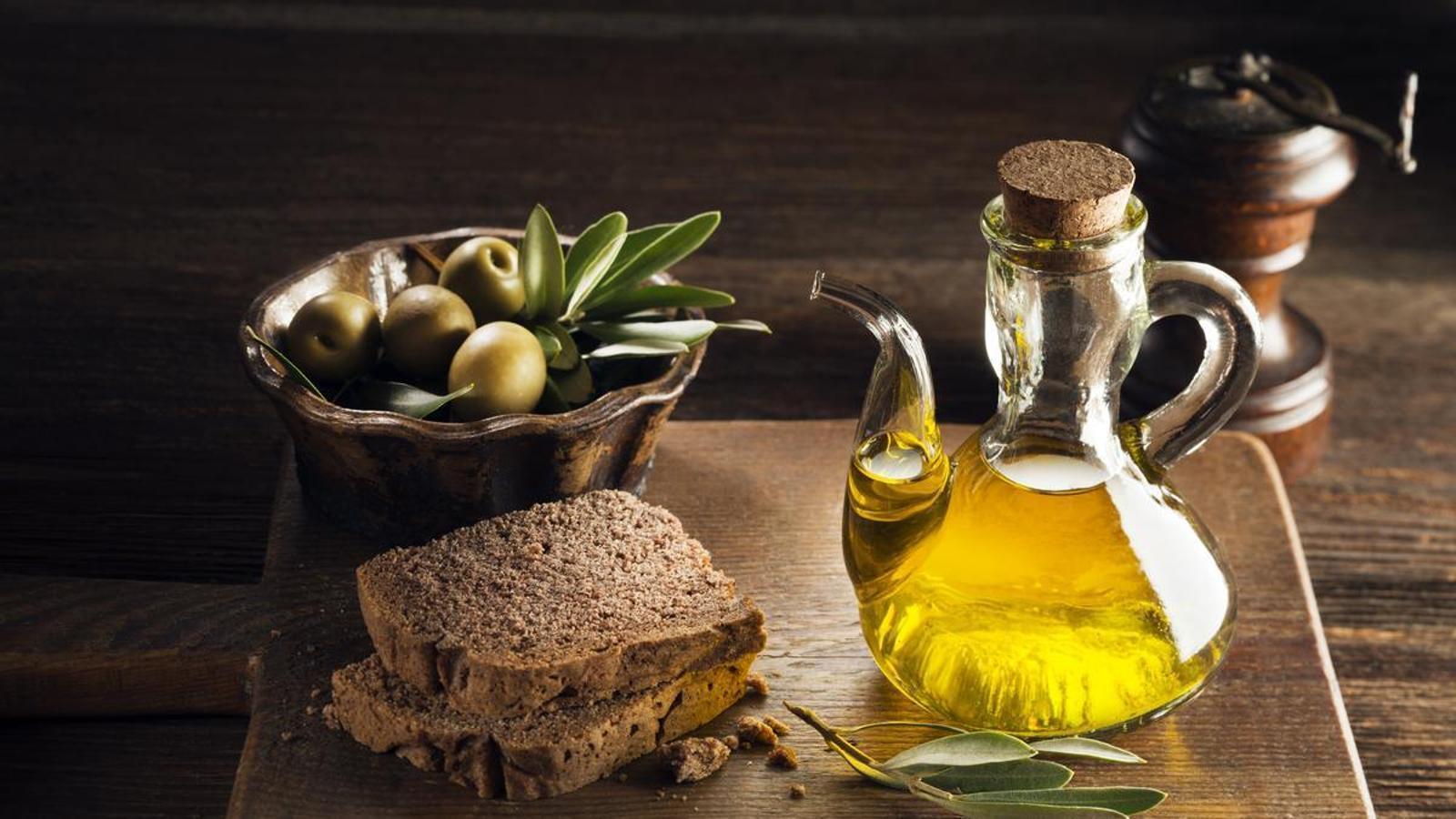
In the Mediterranean, it is also customary to place the oil cruet on the table to add a good drizzle to a salad or a slice of bread before starting the meal, as it improves the flavor and organoleptic quality of many foods. At the oil mill, farmers would bring the kilos of olives harvested from their olive trees, which were mixed with those brought by other farmers, and they would return the liters of olive oil corresponding to the kilos of olives provided. Currently, we can buy bottles of monovarietal oil, extracted from a specific variety of olive – arbequina, picual, hojiblanca…– because even though these olive trees belong to the same species (Olea europaea), small genetic differences in specific genes of their metabolism mean that the oil obtained from each one has a characteristic differential flavor.

'Assisted reproduction'
Perhaps we've never thought about it, but the fact that plants can be cloned very easily (a mechanism of asexual reproduction that ensures their survival) allows us to cultivate them by generating millions and millions of clones, for example by cuttings or grafting onto rootstock (roots with a bit of stem). This "assisted reproduction" strategy allows us to generate genetically identical plants that, therefore, generate and accumulate the same proportion of different metabolites in their fruits. As a consequence, both the olives and the oil produced from them have a flavor and aroma more similar to them than to other varieties.
In each Mediterranean region, we have different varieties of olive trees that were initially produced by crossing progenitors, entirely by chance and selected by natural selection for surviving different terrains and climatic conditions, but which humans have since maintained clonally. In Catalonia, we have several varieties, surely the best known is the one that takes its name from a town in Les Garrigues, Arbeca. All arbequine olives in the world are genetically identical and come from cuttings that the Duke of Medinaceli (in the 17th century) on a trip to Jerusalem, where he fell in love with the taste of the oil produced by some olive trees in Palestine, took to plant on his lands in Les Garrigues. There, the olive trees grew, adapting perfectly to the conditions of the regions, but finally, those crops were abandoned. Olive trees are extremely resilient and once well-rooted, they live for centuries, so those forgotten olive trees in Arbeca were rediscovered in the 19th century, falling in love again with the smooth and fruity taste of their oil. Hence, its cultivation has spread throughout the world, particularly within the Iberian Peninsula.
Biodiversity reservoir
So, researchers at this biobank have determined how it can be world olive germplasm bank is in Cordoba, where more than 1,200 olive tree varieties are preserved.
Well, researchers from this biobank have determined how to predict, from a small sample of olives from an olive grove, the quality of virgin olive oil, that is, the proportion of polyphenols, terpenes, unsaturated fatty acids, and volatile compounds, that it can generate. This issue is not trivial, because as with the ripening of all crops, it is necessary to determine the optimal moment of ripening for harvesting (for example, the grape harvest and in this case, the olive harvest). Through a sequential combination of high-precision analytical techniques for chemical identification, they use 5 kilograms of olives (250 grams to analyze the olive and the rest to make oil), they determine the quality and composition of the olive and precisely correlate it with the organoleptic quality and composition of the virgin oil generated. These optimized protocols will help all olive oil producers, as before harvesting they will be able to determine, by analyzing just a few grams of olive, if it is or is not the optimal time, thus improving the production of excellent olive oil. Virgin olive oil, a source of health, is truly the liquid gold of the Mediterranean.
