Why is 75 the magic number for Pedro Sánchez?

-
CAT -
CAST
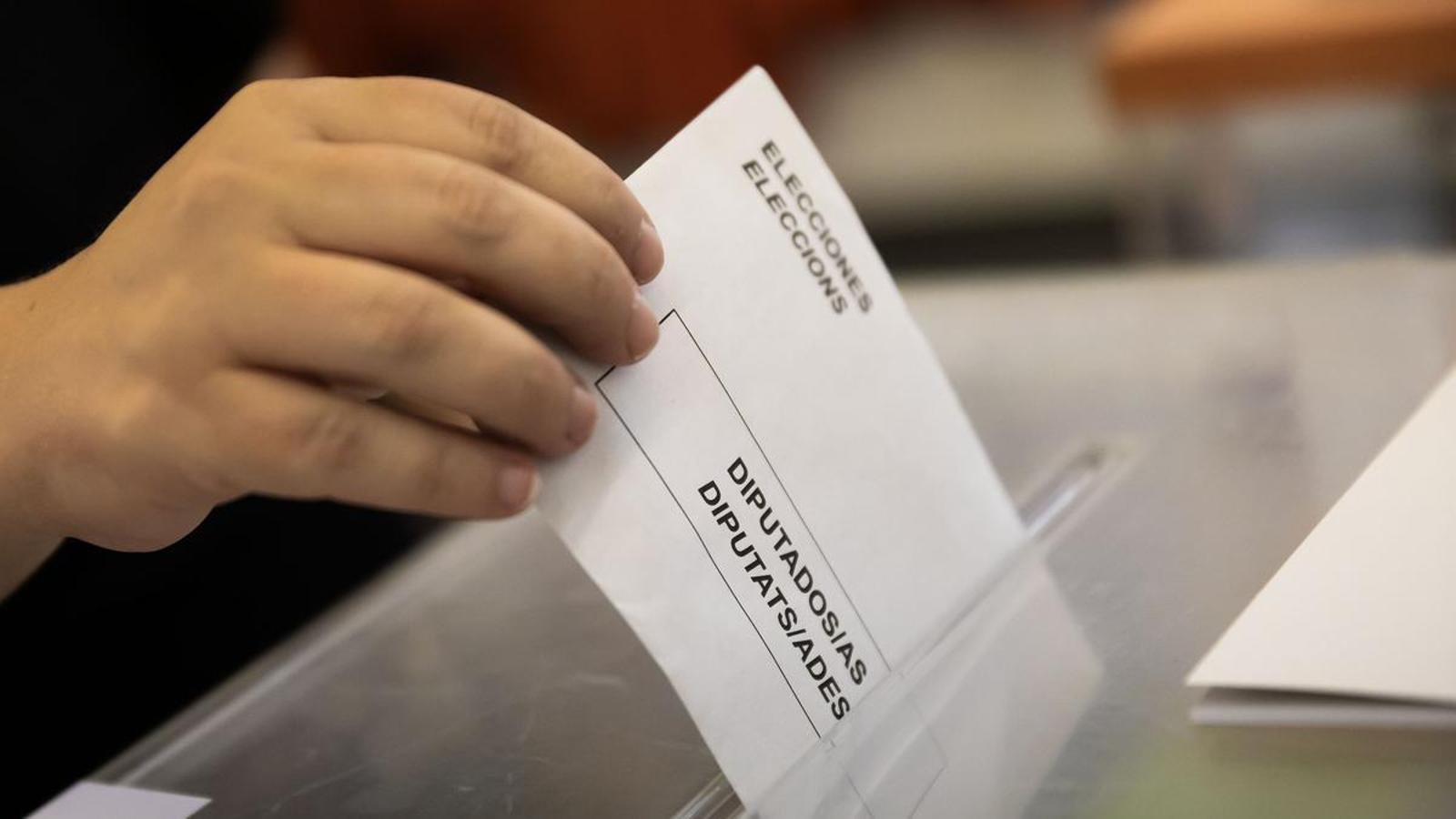
MadridFrom minute 0 of this campaign, the PSOE has only asked for one thing: to go out and vote. This Sunday, the official account on X released a video with the slogan “Vote with strength” after listing everything the right can do –run the “chainsaw” through the Ministry of Equality, pensions, or public healthcare– if the “progressives stay at home”. Even Pedro Sánchez, in one of the first rallies he held in Arnedo (La Rioja), called for up to a 75% turnout to ensure a progressive absolute majority.
The party machinery at Ferraz Street in Madrid is convinced that if this threshold of votes is reached, the PP and Vox will not reach a majority to form a government. What do they base this on? The socialists cling to historical data. Whenever turnout has exceeded 70%, especially in the key territories for the socialists –Catalonia, Andalusia, and the Valencian Community–, the PSOE has ended up governing. There is only one exception.
The classic example is the absolute majority of Felipe González in 1982, which set the historic record for participation in a Spanish election at 79.97%. Since then, the rule has always held true with the great socialist victories except in 1996, when for the first time the PP reached the Moncloa at the hands of José María Aznar. In 2004, after the 11-M attacks and the against-all-odds victory of José Luis Rodríguez Zapatero, it reached 75.66%, and in 2008, 73.85%.
The thesis of Ferraz is that the right always votes; on the other hand, the progressive electorate is more sensitive to the context and does not always mobilize. For this reason, it assumes that if there is a historic high, it is because the progressive voter from urban areas, who is not always constant, attends the appointment. However, in these times of anti-politics, does this rule hold? Or in the era of social media, can the extreme right also benefit from it? The data shows that Vox grows from the PP, but also from abstentionist voters.
