Catalonia premieres a repeater to guarantee telephone coverage in fires and emergencies
The new mobile unit will re-establish voice and data coverage in fires and large blackouts, and will allow the population to call 112
-
CAT -
CAST
BarcelonaIt is the first multi-operator vehicle in the Spanish state and its main function will be for people to receive ES-Alert messages and have coverage in places where telecommunications have been lost due to fires or other emergencies, as in the case of last year's blackout. This is the premise with which the Government launched a new mobile unit this Wednesday, a vehicle prepared to travel to rural environments and act in the face of serious incidents.
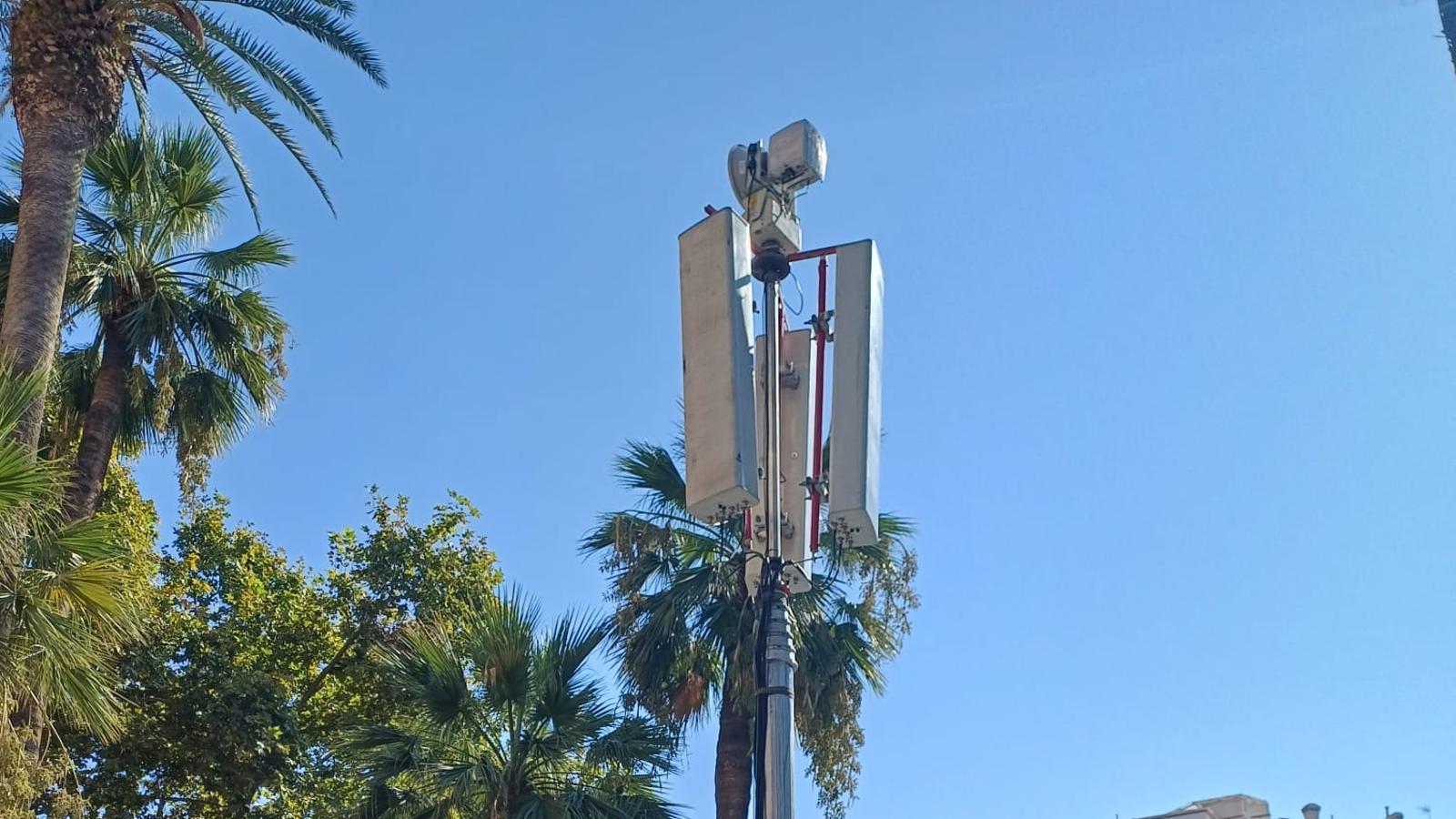
This deployable mobile antenna is designed to provide simultaneous service and temporarily provide voice and data connectivity to users of the operators Telefónica, Vodafone, and MasOrange. As Albert Tort, Secretary of Telecommunications and Digital Transformation, explained, "emergency situations can damage their own digital infrastructures and leave areas without service where communication is vital to manage the crisis and warn the population".
According to the Interior Ministry, with this unit, basic coverage can be temporarily restored within a radius of action of between ten and twenty kilometers, depending on the terrain surface. This will allow affected people to contact emergency services by calling 112 and receive official Civil Protection alerts.
For their part, Imma Solé, deputy director of Emergency Management and Coordination, stressed that the tool will allow coordination of actions between the administration and the private sector to "provide this coverage for this dissemination and information to citizens" in the event of a malfunction of normal systems.

Technical details
The vehicle, which is already fully operational, can be up and running within hours of notice. It has the capacity to operate autonomously for 48 hours and incorporates high-capacity generators that can extend this service uninterrupted for weeks. Connection is made via radio link or satellite, currently using the Starlink system, providing important connectivity where infrastructure has failed. Once activated, the unit can restore 4G and 5G services. The deployment of this unprecedented vehicle has involved an investment of 422,500 euros for this summer, although the goal is for it to operate year-round.
