Ukraine, Russia and mutual destruction

With NATO mired in its internal tensions, Russia and Ukraine have decided to intensify the strategy of inflicting maximum possible damage on each other, before any talk of negotiating their immediate future resumes.
The drone war has been raging for days in Kyiv, with hours of consecutive aerial attacks by Russian missiles and drones, which have not discriminated between civilian and military targets: dozens of dead and injured, as well as the destruction of factories and apartment buildings, but also hospitals, churches, and museums. For their part, Ukrainian attacks have targeted Russian energy infrastructure. On Saturday, an oil terminal on the outskirts of Saint Petersburg was destroyed, and this Monday, Ukrainian drones attacked Russia's largest oil refinery, owned by Gazprom, in Omsk, Siberia, more than 2,500 kilometers from a stalled war front.
The war has entered Russian territory. After months of attacks against refineries, fuel depots, and supply routes, Kyiv has finally hit Russia where it hurts most. A large part of the country is beginning to suffer from endless queues at gas stations, empty pumps, and fuel rationing. The price of gasoline has not stopped rising, and there are fears that restrictions could affect the agricultural sector and the cereal harvest. To prevent this, on June 1, the Kremlin already decreed a ban on exporting kerosene until next November with the aim of prioritizing the domestic market.
Since mid-June, Ukrainian drones have cut Russia's oil refining capacity by between 25% and a third, according to various estimates. Just a few days ago, Vladimir Putin tried to downplay these "difficult" days, calling them simply a passing obstacle on the road to "inevitable victory." But the reality of the war is increasingly visible in the daily lives of Russians, and not just because of the return of soldiers killed in combat. According to a Gallup poll, economic pessimism has reached its highest level in Russia in at least twenty years. 60% of Russians surveyed believe that local economic conditions are deteriorating. Inflation also affects the price of the most basic foodstuffs.
The question is to what extent this situation may begin to take its toll on Putin.
There is growing unease among a segment of the population struggling to make themselves heard amidst increasingly extreme censorship, social media blockages, and constant internet outages. It is difficult to measure discontent in a country where it is dangerous to express oneself freely, where a digital iron curtain has been raised, and where the most critical voices have been imprisoned or are in exile. But this widespread frustration has begun to be expressed on social media through humor, with memes about fuel restrictions asking that beer not be lacking; or by ironically commenting on the tendency of Russian authorities to attribute the blame for internal problems to the West, with an image showing the presidents of the United States – Donald Trump, Joe Biden, and Barack Obama – taking gasoline canisters from a Russian gas station.
Russia demonstrates a clear capacity for adaptation. The Reuters agency published a report this week pointing to the weakness of the Russian banking system, which has been forced to grant credits to individuals and defense industries, making them more vulnerable in the event of an economic shock. The Kremlin, however, denies there is a risk of recession. 40% of the federal budget is allocated to defense, and the war economy is in motion. Furthermore, according to the British analysis center RUSI, as pressure on the traditional financial system has increased, Russia has been able to develop a parallel ecosystem that operates outside conventional controls: from ghost fleets transporting oil to increasingly sophisticated acquisition networks. The use of cryptocurrencies has become a key element in circumventing international sanctions aimed at restricting its military acquisitions.
Meanwhile, the volume of projectiles Russia launches against Ukraine exceeds the number of anti-missile interceptors that this country receives from the West, and experts warn that Russian production surpasses European production in terms of long-range weapons. Therefore, Volodymyr Zelenskyy will ask allies, gathered at the Ankara summit, to strengthen their support for Ukrainian air defense and confirm 70 billion euros in military aid for 2026.
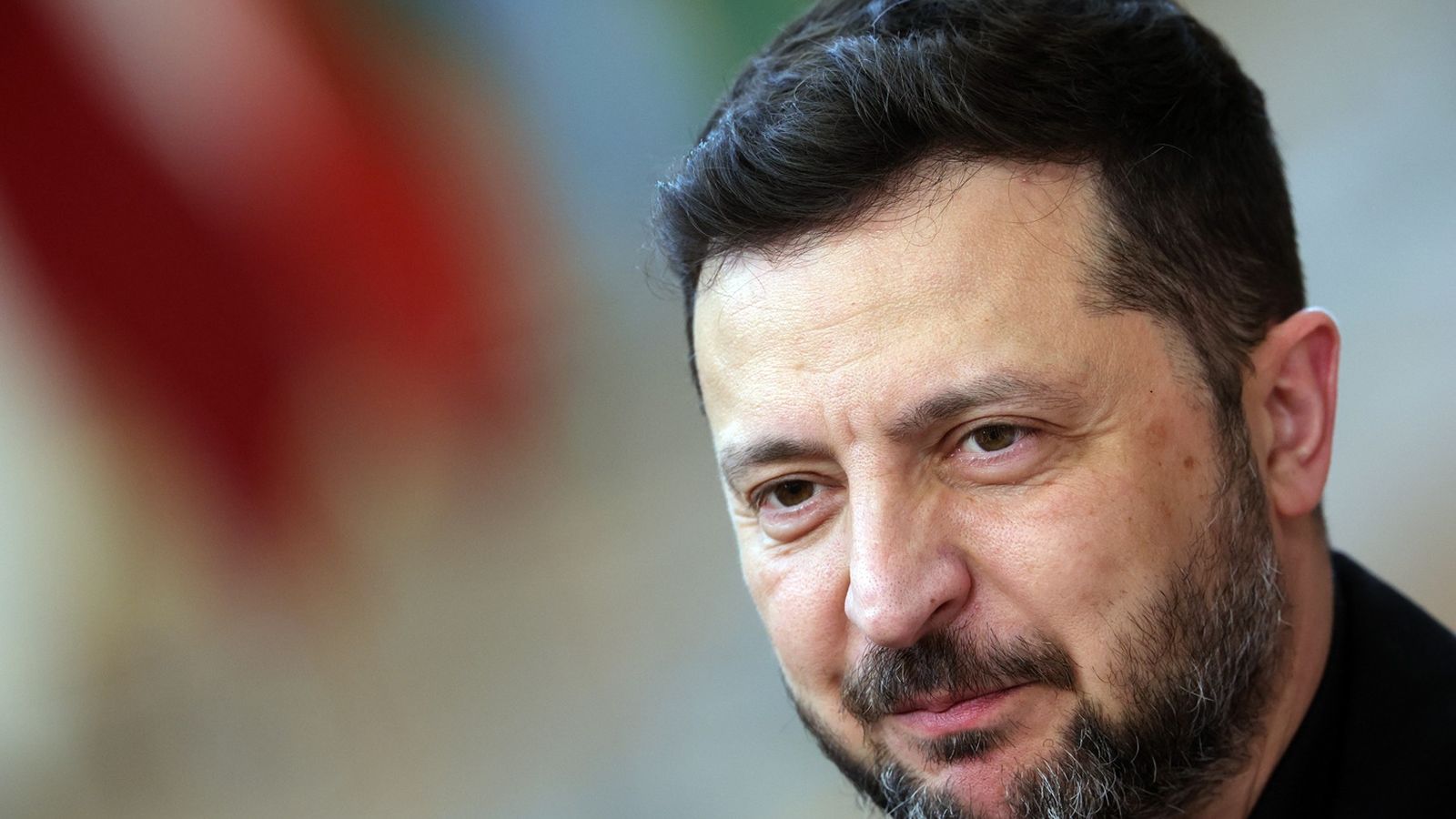
The war in Ukraine is currently fought, also, from a long distance, with economic resilience, military adaptation, and strategic patience. But the costs, as Zelenskyy said among the collapsed buildings in Kyiv, are catastrophic.
