The healthcare system, at the crossroads

-
CAT -
CAST
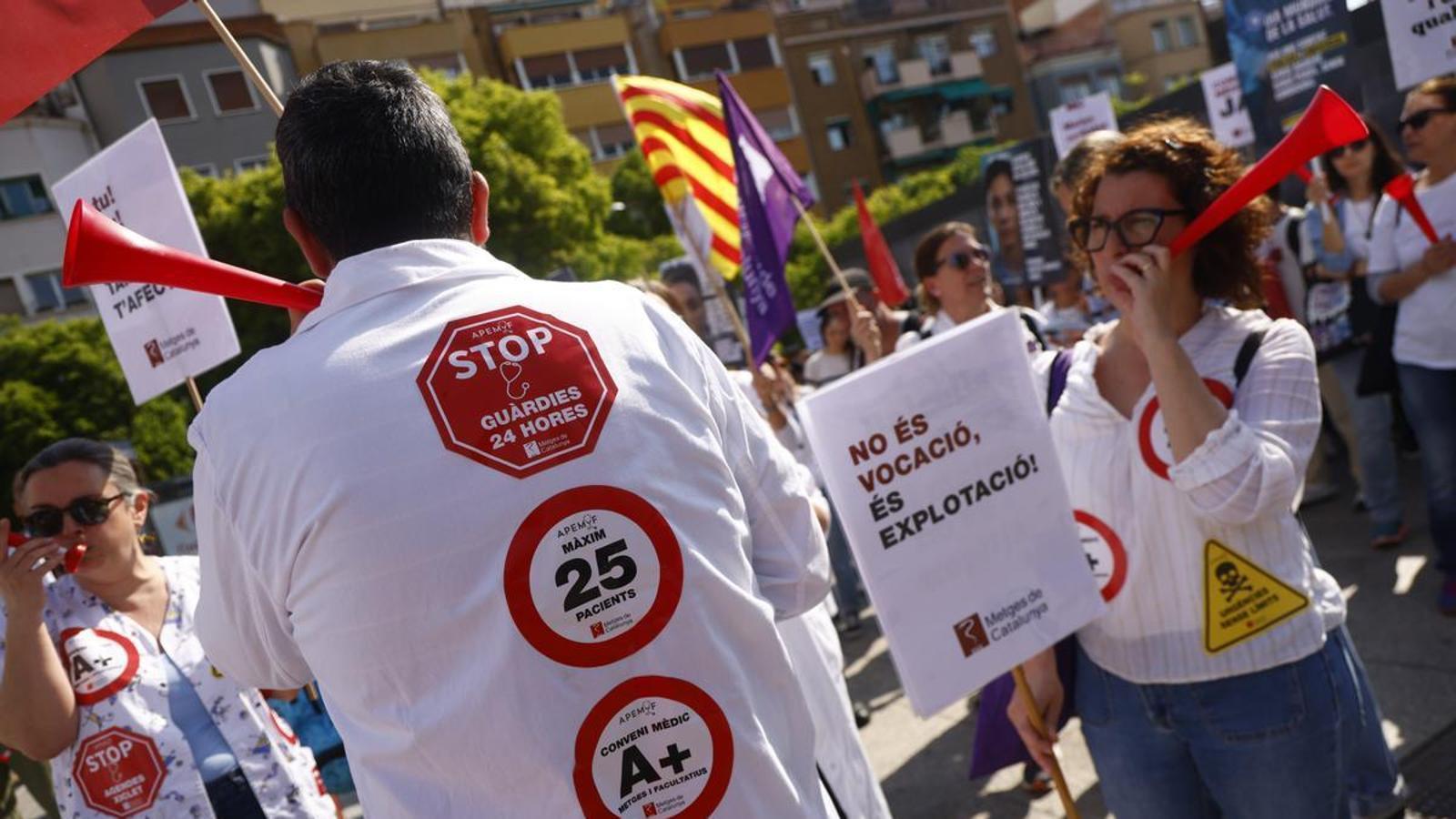
In the year of the anniversary of the general health law, which is the law of universalization, Ernest Lluch's law, and perhaps precisely because it has been forty years, the public health system moves between acknowledgments of excellence and convulsions of uncertainty around its future. Strikes by doctors and nurses, complaints about long waiting lists, the growth of private insurance, and a dwindling professional commitment from young people and burnt-out old professionals coexist with a public system that shows successes in biomedical research and complex treatments that are the envy of many Western systems. What is happening, then, in our health system?Let's take it step by step. Let's focus now only on dysfunctions. Some are still the result of the existing confusion between universal healthcare for citizens and social security benefits for contributors. A confusion visible in the role assigned to primary care physicians for sick leave – a relic from when company sick leave was managed by Social Security –, in the role of pharmaceutical prescriptions for pensioners – inherited from when pensions were compensated with free medication –, and in the ownership of the buildings themselves – which unions and employers claim as theirs because they were paid for with contributions, a fact that still gives them a place in governing bodies like the Catalan Health Institute –. But the confusion is also seen in the role of collaborating companies that offered healthcare to their employees in exchange for a reduction in fees, or in the insurance policies that substitute healthcare coverage for some professional mutual societies – like Muface for civil servants –. A whole legal world that should be definitively closed and which does not correspond to today's reality.It also raises the question of whether there are too many or too few doctors in the system. We have gone from the recognition of MESTO – who entered the system through the back door without the MIR exam – to the until recently very strict numerus clausus in public universities, and even the current proliferation of medical schools in private universities, using a good part of their healthcare facilities. For now, we have doctors of all nationalities and without a clear forecast of what the demographic change we are experiencing will impose on the future of the profession.
In the political arena, healthcare has become an ideological bet. Disparate experiences have been embraced, ranging from a strong presence of the for-profit and impersonal private sector –investment funds and anonymous shareholders– to the purported vanity of the more bureaucratic style of the last century by the current Spanish government. In any case, and in view of the care burdens assumed, low apparent productivity is detected, and despite the growing bill of public spending, high waiting lists and unrealistic expectations about the role of current medicine are maintained. A situation that, as The Economist recently pointed out, has become entrenched in most healthcare systems. Professionals entering the system no longer consider that "putting in many hours" –working privately, with mutuals, or whatever it takes– is the way to achieve the compensation that their statutory salary does not provide: they prefer to work less and demand salary increases. The feminization of the profession also has its influence on hourly availability. As a business sector, insurers hold up well through primary care and diagnostic tests, paying doctors little, who play the game of shifts. On the other hand, a good part of private care boasts high satisfaction indicators through the aspects most characteristic of its marketing linked to access to certain healthcare facilities.Amidst the blunders and immobility, we should find a space to rethink our healthcare system, if we want its most substantive part of population equity to continue. We know that a society, as it develops, dedicates more resources to healthcare, but also that, beyond objective elements of efficiency in outcomes, it makes no sense for all expenditure to be financed exclusively by taxes. New sources of funding must be opened, similar to the system public universities have charged to users (fees rather than prices), and reforms must be made in working conditions that associate professional autonomy with greater financial responsibility, with the autonomy of working for oneself but for others when it comes to remuneration. And, above all, it is advisable to preserve the legitimacy of the system, even if only for complex treatments. The idea must be maintained that for important matters, no joking around: the public system is the good one. And thus gain esteem so that no one wants to abandon the public system in exchange for a subsidy or a tax break, confusing themselves with siren songs that can catch important parts of the population off guard.
