The Catalonia that wants to self-destruct

In a recent interview with El País the German philosopher Peter Sloterdijk spoke about the latest elections in Saxony-Anhalt and noted that the emergence of Alternative for Germany is causing the normalization of far-right ideas. One of the most interesting points in the interview is that Sloterdijk points out a factor that could be affecting Western democracies more than we might think: that of polls, which in recent times have increased exponentially and occupy a considerable space in the political sections of the media. Every week we are given polls, says the philosopher of his country, something that also happens here. He states that they are like a training ground to stop feeling ashamed of voting for this type of party and that they create a perverse effect, as if the ghost of the virtual result, he says, ended up becoming reality. In this sense, polls would be a kind of self-fulfilling prophecy.
We have an oversized media presence of very new parties long before they obtain official representation and this is an anomaly because attention had always been focused on those who had already entered the institutions and not on the future projections of an instrument that may have some utility to see where the intention to vote is going but which is not the vote itself. And even more so when these polls originate from the institutions themselves. The discredit of the CIS, for example, is well known since Tezanos changed how it works. It seems that polls serve to direct public debate rather than to be a real image of what real citizens think or want to do. One of the strategies adopted by the left, that of feeding radical right-wing groups in order to present itself as the only alternative to the ultras, is a game that will end up harming us all. This strategy that Mitterrand created increases the polarization that the politicians themselves complain about. (If you want to have a laugh, the French series Woke covers all these topics.)
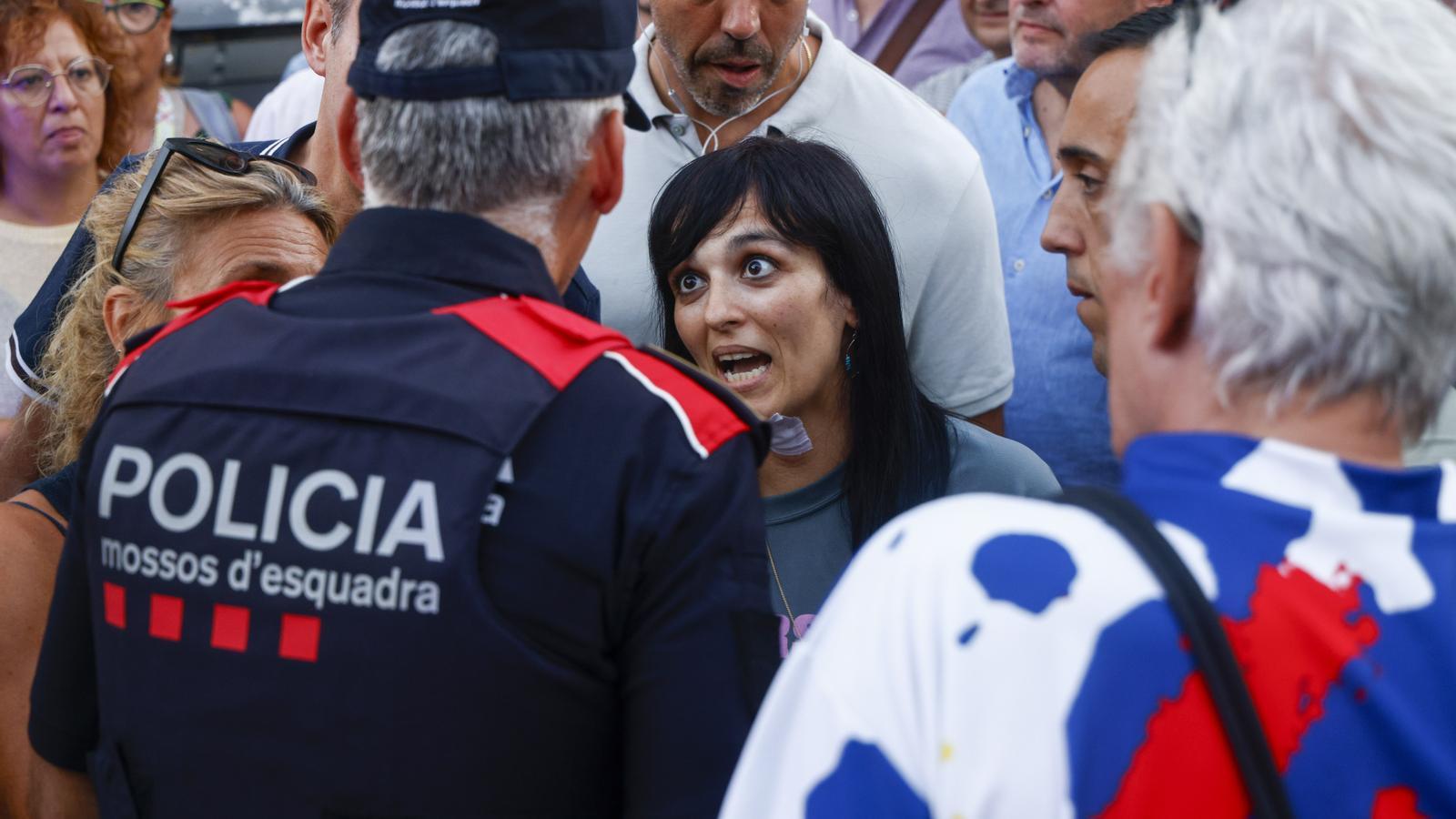
All these reflections could be applied to what is happening right now in Catalonia. We are fueling the ghost of Aliança Catalana from every sphere, giving it a media presence far beyond the number of voters who trusted it. And we only wear ourselves out pointing out the red lines it crosses, the scandal it provokes –which is tempting to get clicks but a disaster from the point of view of serious debate. Why is the leader of the group not asked exactly how she will do everything she promises to do? I very much fear that she has no practical solution for the problems that she believes are caused by immigrants. If she has no powers or borders, she will not be able to expel those of us she thinks are surplus, no matter how much she wants to. In any case, I would not waste a minute on someone who declaims, with her horrible 19th-century Catalan (poor Pompeu Fabra), litanies that seem more like homilies than political proposals. The people I would ask many questions to are those who want to vote for her: do they really believe that the woman from Ripoll will do what she promises them she will do? You have to be very naive, even more so if what drives this electorate is the frustration of the failure of the Procés. Haven't they had enough with the deception of the leaders of that time that they now want to bet on a woman who doesn't seem to have the slightest clue how her country works and invents demands of 'Catalan-ness' that not even Count Arnau would fulfill? Once again, it is the aforementioned German philosopher who describes like no one else what will happen if Aliança Catalana wins in Catalonia: “Once the question of identity comes into play, the path to self-destruction is much shorter”.
