Police officers and teachers: crime and error

-
CAT -
CAST
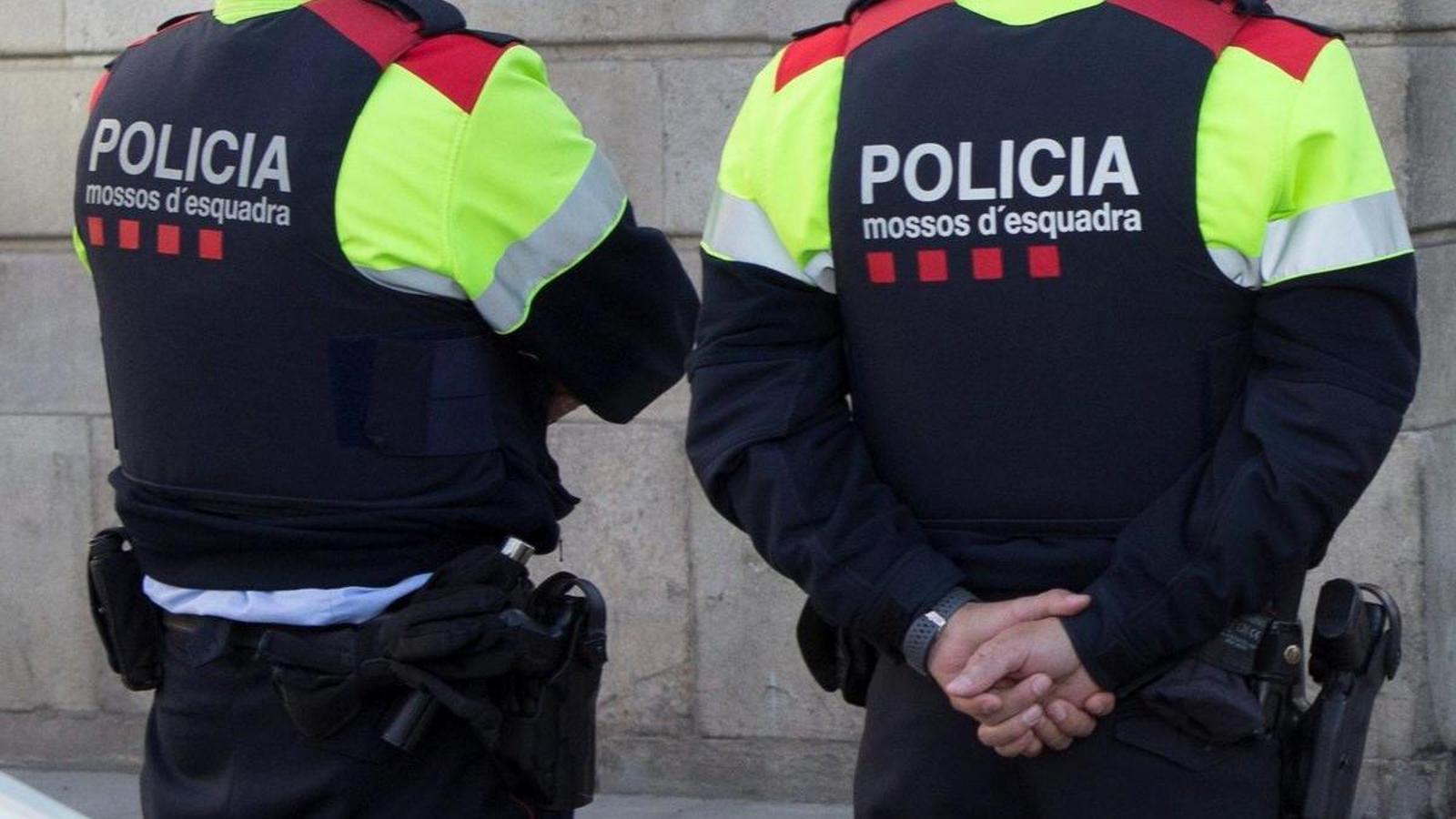
What is the difference between a teacher and a police officer? The delinquent that the police officer has arrested to bring before a judge is already relatively late in life. The teacher still has time to welcome the minor to school and teach them how to live differently. Between the police officer and the teacher, there is a very diverse imaginary: the police officer protects citizens from other citizens who break the law. Imagine what can be done to prevent the crime from happening again. Order and safety depend on him. On the other hand, the teacher does not see crimes but errors, mistreatment, problems at home. He must love the child to defend him beyond mere survival and show him another path. For the police officer, it is about applying the full weight of the law, penalizing conduct that breaks it. The paths of the police officer and the teacher to protect the child are radically different. The first protects others from their behavior; the second protects them from themselves.
It is very important to understand this difference in order to propose an educational approach to violence in the school system. Pedagogy conveys a certain idea about what is best for everyone. It needs time. On the other hand, the police intervene immediately. The act of violence must be prevented and the perpetrators arrested. Pedagogy, psychology, social education, are ways of compassionately understanding problems, like a drop of oil spreading. In Barcelona, the Drecera Cooperative facilitates psychologists going to schools to listen to children in difficulty. I know this experience from the inside thanks to a colleague who goes twice a week to two public schools to personally attend to these students. The listening function for children has generated a cascade effect at all levels: other children ask to 'go talk' and teachers have a space to discuss concerns that emerge in the classroom. While the police officer stops the aggression by force, those who work at school delve into the how and why of the conflict: they welcome, listen, and talk with victims and perpetrators. The power of words pacifies, relieves. It allows people to find a way to express themselves instead of acting impulsively. That is why words must be preserved in school.
The pilot plan of the Generalitat de Catalunya aims to address the coexistence problems suffered by some schools and institutes by deploying plainclothes mossos d'esquadra who will work as "tutor agents". The government defends the role of the community police officer who can help with coexistence by acting as a hinge, both inside and outside. And it says that this model has also been implemented in other OECD countries. The arguments are insufficient given the seriousness of the educational emergency situation. Trying things out when you already know what works is an effective way to divert attention from the real problems and, moreover, to put precarious civil liberties at unnecessary risk.