Nostalgia for wise women
-
CAT -
CAST
¿Is there any medicinal herb that can cure us of forgetting? "We can all find our flower, we don't have it that far away, we surely have it very deep inside, hidden," says Eloi Aymerich, director and producer of the short fiction film Flor del cel, filmed in the lost valley of Vansa (Alt Urgell), on the southern slope of the Cadí. Since "Solitud" was filmed in 1991 on the northern slope of this mountain range –by Romà Guardiet, based on the novel by Víctor Català–, no other professional filming had been done. Rural depopulated Catalonia lives abandoned and quiet, both things. A delicate coexistence.
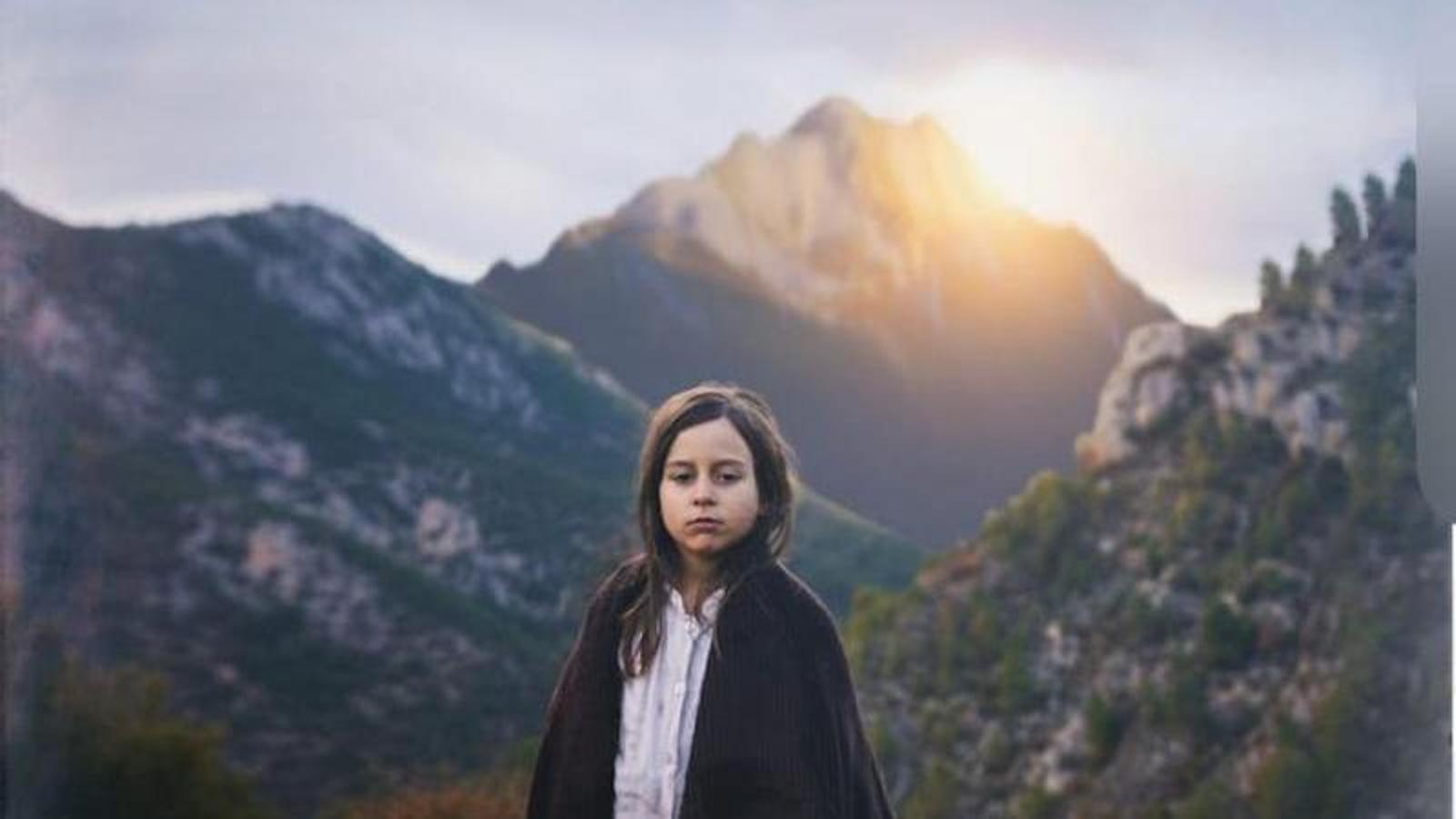
Aymerich's short film, with Carme Sansa as co-star (curiously, she also had a role in that "Solitud"), vindicates the memory of mountain women, of the fragile matriarchies from which we come. Carme embodies a poetic synthesis of trementinaire and witch, of a free, wise, wild woman. Today we would say "empowered". If it is still difficult today, imagine a century ago in a peasant environment. In the short film, it is she who transmits her medicinal knowledge to Joana, a little girl (the actress is the brilliant Ona Pérez; we will hear of her) who sees how her little brother, a baby, is gravely ill. To cure him, ignoring her father, she seeks the help of the trementinaire in the hope that the "flor del cel" will save the child.
The images were recorded last frigid November. The autumn landscape of Vansa, with its windy and misty silences, with sleet falling over Joana's desperate cry, with the trementinaire walking through scree slopes, ridges, and peaks in search of the miraculous flower, is much more than a background set: it is the soul of the place and the film. Nineteen minutes of intense simplicity, with some spatial license, such as making the imposing Pedraforca appear, which belongs to the neighboring Cadí-Moixeró natural park.
The "casas de payés" (traditional Catalan farmhouses) that appear are that of cal Quelo Vell, abandoned, and that of cal Pere Baixa, both in the Barceloneta neighborhood. Some scenes were also filmed in the Sisquer neighborhood. All of them, secluded places, evocative of immemorial times, when hours passed at another pace and both life and death had a slow atavistic density. Today we find it hard to imagine. "Flor del cel" seeks that connection with an unreachable past. It seeks the impossible. It also does so with the voice and accordion of the emblematic and ninety-year-old Artur Blasco, who performs a song composed by Arnau Aymerich, the director's brother.
Flor del cel seeks that connection with an unreachable past. It seeks the impossible. It also does so with the voice and accordion of the emblematic and ninety-year-old Artur Blasco, who performs a song composed by Arnau Aymerich, the director's brother.
With a modest budget of 70,000 euros (6,000 of which were raised through crowdfunding from 147 contributions), Aymerich, who until now specialized in documentaries, has completed his first fiction short film with his own production company, the Mataró cooperative Clack. His connection to the valley comes from cherished childhood summers. He has had very diverse support from the local town halls, the County Council, the Natural Park, and other institutions and entities. And from many individuals. Mountainous Catalonia joining forces and building community.
Among the collaborators, Lina Sevillano, the soul of the Museu de les Trementinaires de Tuixent, which opened to the public 27 years ago and where you can hear the filmed testimony of the last woman who went around the world selling herbs, Sofia Montaner from Ossera: "I prefer to be a bird of the forest than of a cage." A cry of freedom that links with the relay that Joana picks up in the short film: "Joana, I am you and you are me, and it will always be like this," the trementinaire tells the girl.
The sky flower does not exist. It is inspired by the alpine snowdrop or Edelweiss and the legend associated with it: it represents courage, dreams, and eternal love. In the film, the specimen used is a dried flower originating from the Caucasus: it is this one that flies from the hands of Carme Sansa to Ona Pérez so that the strength of nature and the power of wise women can make their way. To not forget.
