Energy crisis: what awaits us
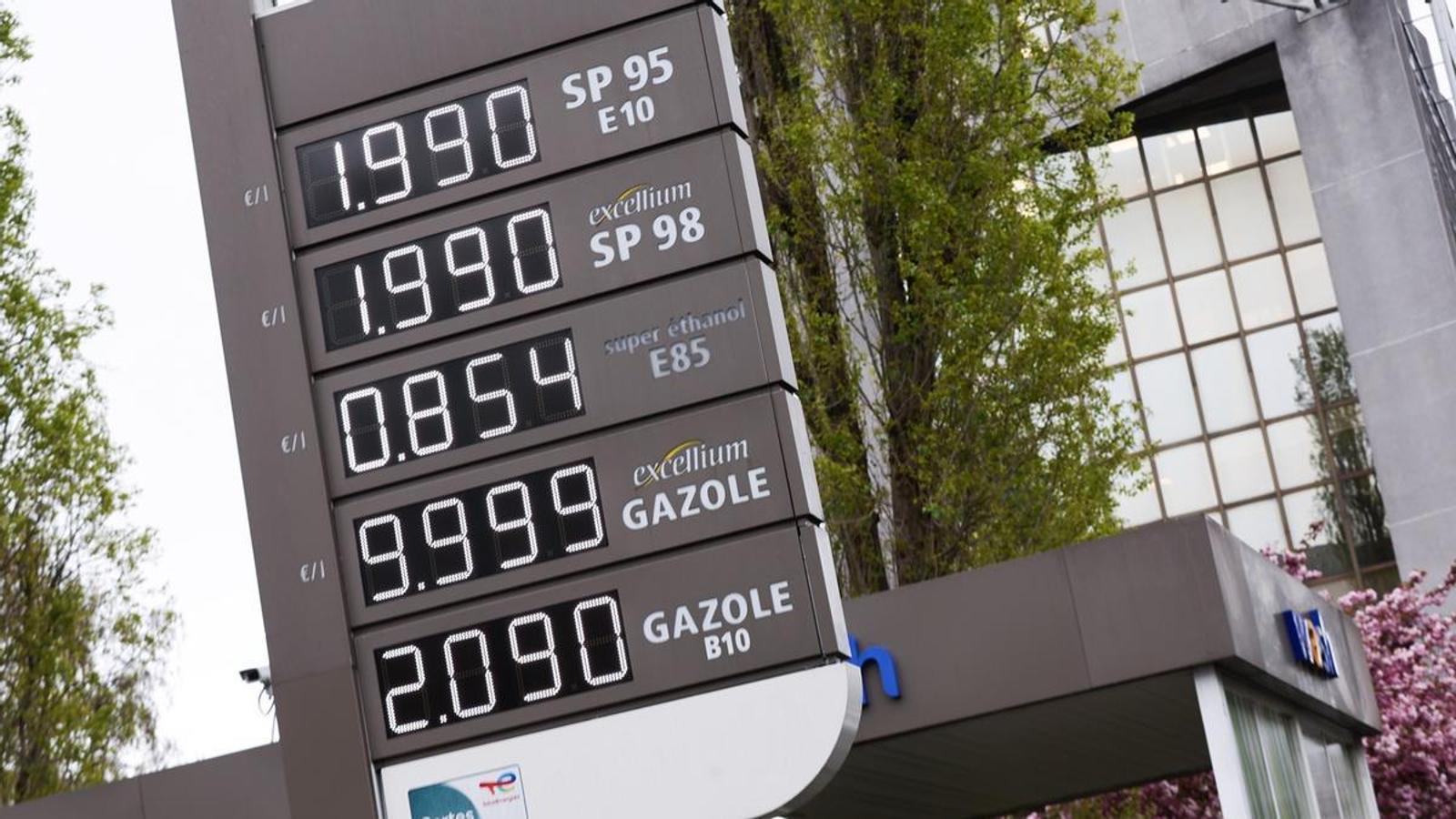

Thursday, ARA put on its front page: “The expectation of a quick end to the war is encouraging markets”. Indeed, on Wednesday the Ibex-35 had risen by 3.16% because the conviction had spread that the war would end soon. However, on Thursday itself the index lost part of the previous day’s gains. This is tantamount to saying that the stock markets – that is, financiers – do not have clear ideas about how the war will impact the economy. Since the first bomb fell, the Ibex-35, like the American Dow Jones, has only fallen by 5%. To give us an idea of what the stock market does when a real crisis begins, at the end of 2007, and in a few weeks, the Ibex-35 fell by 33%, and did not begin to recover until seven years later. In contrast to the bewilderment of financiers, engineers show a solid pessimism. The International Energy Agency has published a ten-point plan of measures for governments to adopt to save energy, and the European Union commissioner has sent a letter to governments suggesting, among other things, rationing gasoline, promoting teleworking, and even prohibiting the circulation of private vehicles on Sundays (a measure in force during the energy crisis of the 70s). The basis for this view is that the energy infrastructures in the Persian Gulf have been so damaged that, even if the war ended today, supply would not be able to return to normal for several months.In this context, it is interesting to compare the Spanish government's response to that of the Chinese. The former has reacted by lowering the VAT levied on fuels, which has gone from 21% to 10%. This has meant that, despite the price of gasoline rising by 15%, the consumer only perceives a 4% increase. On the other hand, the Chinese government raised prices by 13% on the 23rd. The former, implicitly optimistic, tries to gain time, while the latter – prudent – prepares its population for the worst, and prefers them to start saving fuel from the outset.
And the reason is that to understand the energy crisis, it is important not to fall into the same mistake we tend to make when considering the housing crisis: the problem is not the prices, but the scarcity. If housing is expensive, it is because the population in cities is growing faster than housing construction, not because speculators are getting rich (even though they are).
Now, the problem we face is that for at least a few months – perhaps years – the production of oil, gas, and nitrogen fertilizers (the latter derived from natural gas) will be below normal. We will have to stop doing some things, and it is important to decide which ones. Prices are just one way of making the decision: things that those who cannot afford would want to do are stopped. We could let the market sort it out if it weren't for the fact that a third of our energy is dedicated to the production, processing, transport, and preparation of food, and the crisis threatens to generate a wave of hunger in the most vulnerable countries. Another third is dedicated to the production of materials – steel, cement, plastics, aluminum...– that we need to build housing and for the industry to remain standing. It doesn't seem like a good idea to stop it, although we cannot ignore that, if the crisis continues, our plans to build affordable housing are in danger due to the escalation of construction costs.The natural candidate to cut back on are pleasure trips, but this would directly impact the tourism industry, on which we are so dependent. In fact, a European aviation source has already stated that, “if things continue like this, we will have a problem this summer, and cancelling flights will be the only solution”. And, along these lines, the president of Ryanair has already stated that flight cancellations due to lack of fuel are a possibility from June onwards. Thus, the impact on our lives will depend greatly on the duration and intensity of the conflict, aspects about which it is impossible to make predictions with a minimum of solvency. What we do know is that, at this moment, the symptoms point to an escalation, including the direct intervention of the American army in Iranian territory, which foreshadows an increase in damage to energy infrastructures. Optimism does not seem justified and, if things worsen, governments will have to take measures to ration energy, and the population will have to understand it. The precedent of the pandemic, this indeed, invites serenity.