Elderly people affected by the strike at the libraries
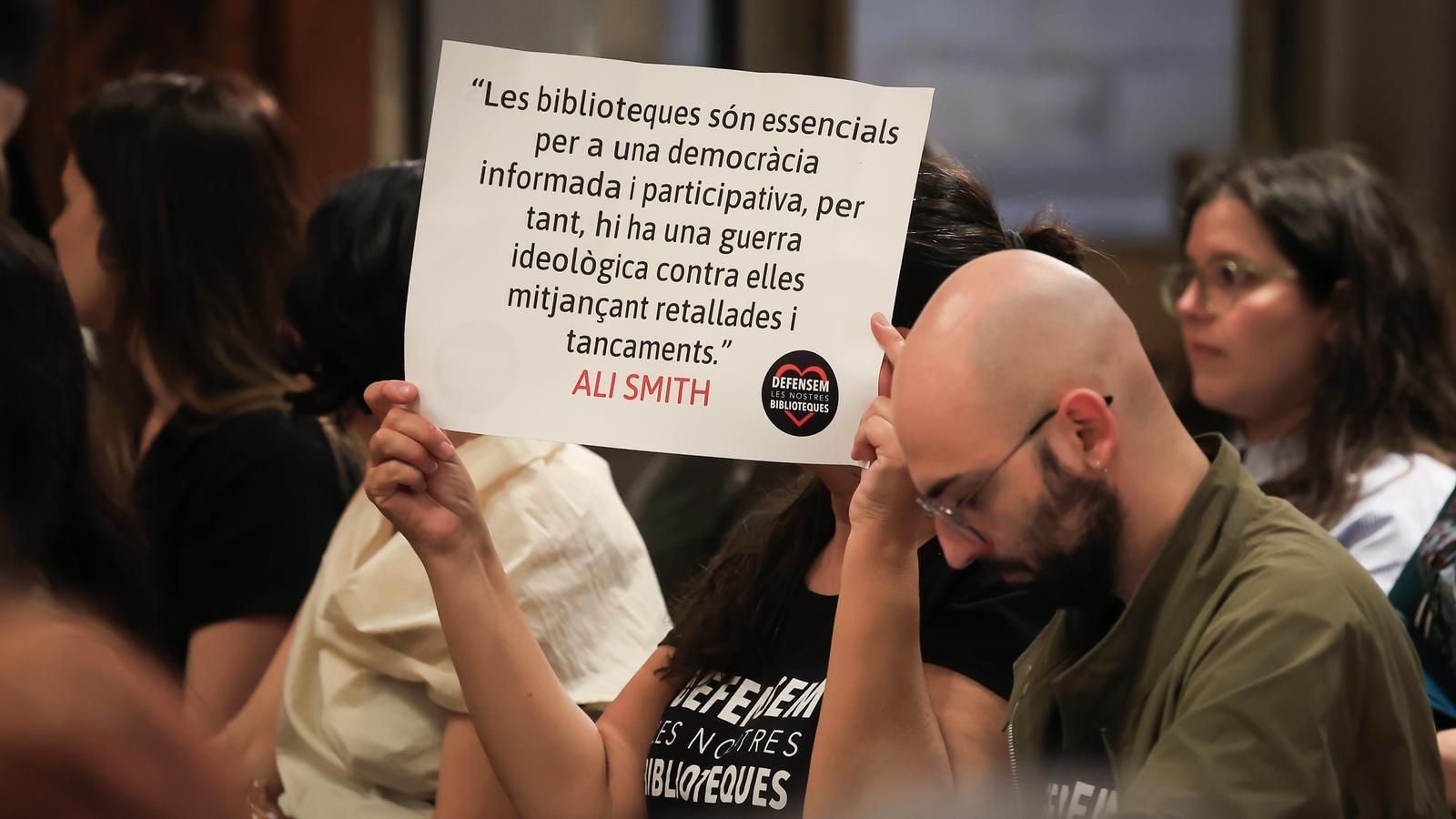

Josefina, president of the Sant Andreu University Extension Classroom, which meets at the Ignasi Iglesias Municipal Library, writes to me. It turns out that the library workers in Barcelona have been on strike since May, and this means that this group of elderly people has been left without a climate refuge in the summer and without an auditorium for the classes that have started in the autumn. They have had to turn to another space that is less central and has a cost they will not be able to afford for the whole course. They are elderly, active people who try not to miss a single outing or lecture. Classrooms like this one exist all over the country, and they are of enormous value in terms of human relationships, emotional well-being, and the quality of life in neighborhoods and towns.
Josefina is not complaining about the strike, she understands it. She only asks me if "you could lend us all a hand, by focusing public opinion on this shame that public services cannot function as they should," because the strike has been going on for months now and there is no end in sight. They were waiting for a meeting between the City Council and the strikers at the end of September, but they have heard nothing more about it.
The times of public administration are desperately slow compared to the times of people. In politics, everything takes too much effort. Even in the most micro administration, everything is very macro, everything ends up being subordinated to larger interests, when they do not use the excuse of legal certainty or consultations with who knows how many control bodies, which serve to hide laziness, incompetence, or a desire to pass the problem on to someone else. Now that elections are coming, we hear solemn, anguished, and justified proclamations like stopping fascism in its tracks. But it would be good if administrations made much more of an effort to give meaning to the utility of their existence.
