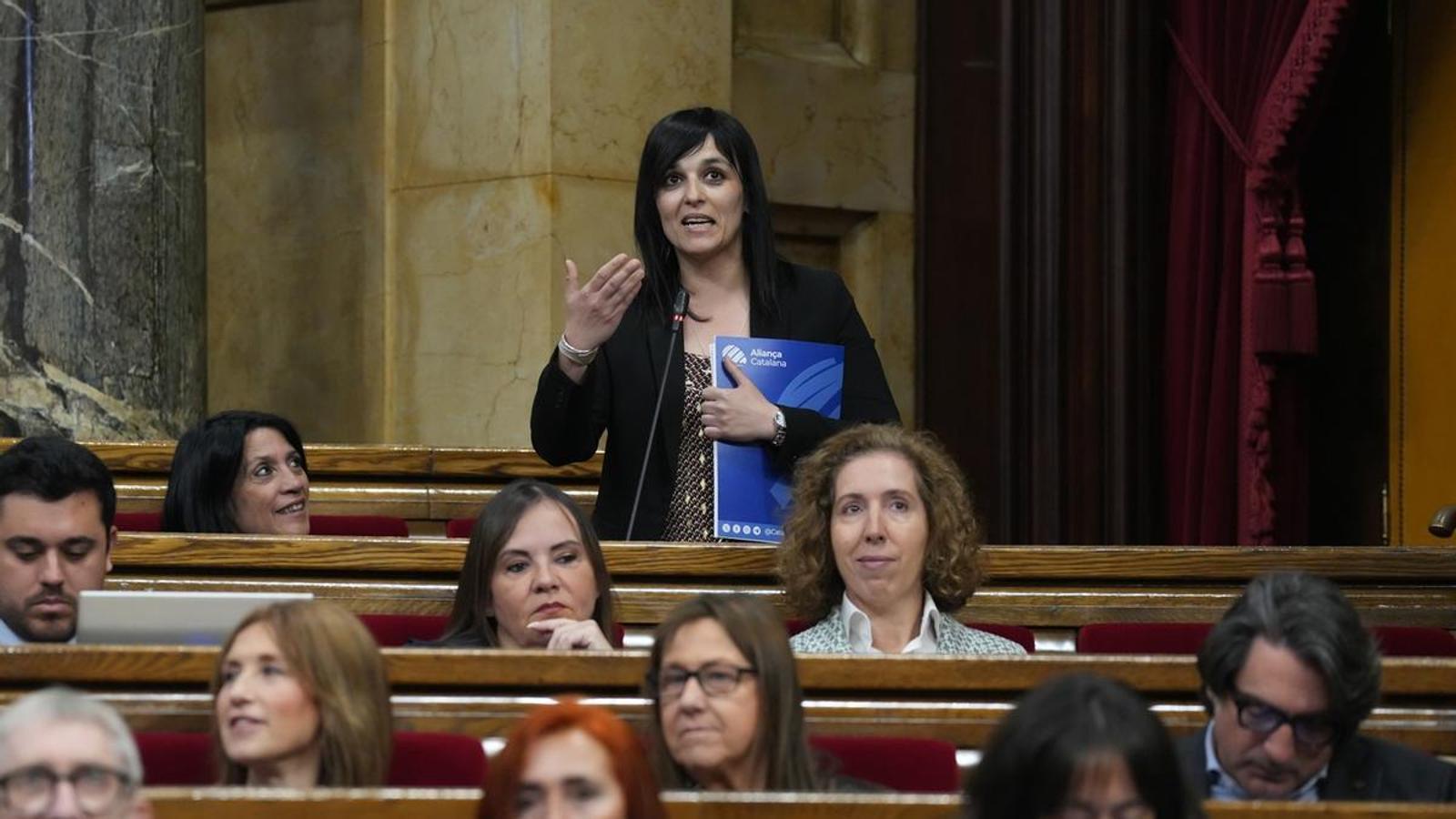

Beyond the very short-term vision that usually dominates political parties and this Wednesday's discussion in Parliament (surprise: the one who got more out of it, or the one who benefited the most, was Orriols), the Ripoll episode, where the municipal budgets presented by a fascist and racist party like Aliança Catalana were approved with the votes of two PSC councilors, points to questions about the not-too-distant future. Questions like these: what policy will Catalan parties follow in relation to AC, the day after the next municipal elections? Will they make pacts with them? Will they not make pacts but "consent" to receive their "external" support to invest mayors and government teams? And a little later, to approve budgets? Or will they follow (as undoubtedly must be done with fascist and/or far-right formations) the policy of the cordon sanitaire? The two socialist councilors have been dismissed for having contravened their party's position on this matter, and this is correct (if we are to ask, this same speed would be appreciated, in all parties, in other internal matters, such as those affecting issues of corruption or sexual harassment). But the reasonable doubt persists: in the next municipal elections, scheduled for 2027, all surveys and polls predict an exponential increase in votes and representativeness for AC, in line with the rise experienced by far-right and racist formations throughout the West (it is true that the first signs of a certain deflation are beginning to be perceived, such as Orbán's defeat in Hungary, Donald Trump's low popularity in the USA, the small but significant changes of direction by the opportunistic Meloni in Italy, but of course all this, as of today, means nothing concrete: talking about trend changes is premature and illusory).

If polls and surveys translate into electoral results, a great many things in Catalonia will depend on AC's votes, starting with the configuration of many town halls. Will the firm policy of a sanitary cordon then be maintained? Since AC's appearance on the Catalan political scene, all eyes have been on Junts, and rightly so, because the convergence party has the most extensive electoral border with the far-right party calling itself independentist (another aspect to call into question). But the question also applies to the left, including PSC, ERC, and Comuns: how and to what extent do they intend to distance themselves from Aliança Catalana? The question is timely on a day when a Vox deputy (Aliança Catalana's sister party), José María Sánchez, was seen being expelled from Congress after confronting the acting president. This Sánchez is not only a deputy: he is also a judge on leave. What is meant by this is that they are involved in all parts of the institutions, and that it is high time to have a well-defined way of relating to them.
