Volkswagen Mission Efficiency: the most efficient electric ever manufactured
The Mission Efficiency is a Volkswagen prototype based on the ID.Polo capable of consuming less than half that of a conventional electric vehicle
-
CAT -
CAST
Little by little, the battle over consumption is shifting to the field of electric vehicles. An efficient electric car represents an absolutely undeniable competitive advantage in terms of range and ease of use, and in a market dominated by Chinese brands, Volkswagen has wanted to strike a blow on the table with its new electric prototype.
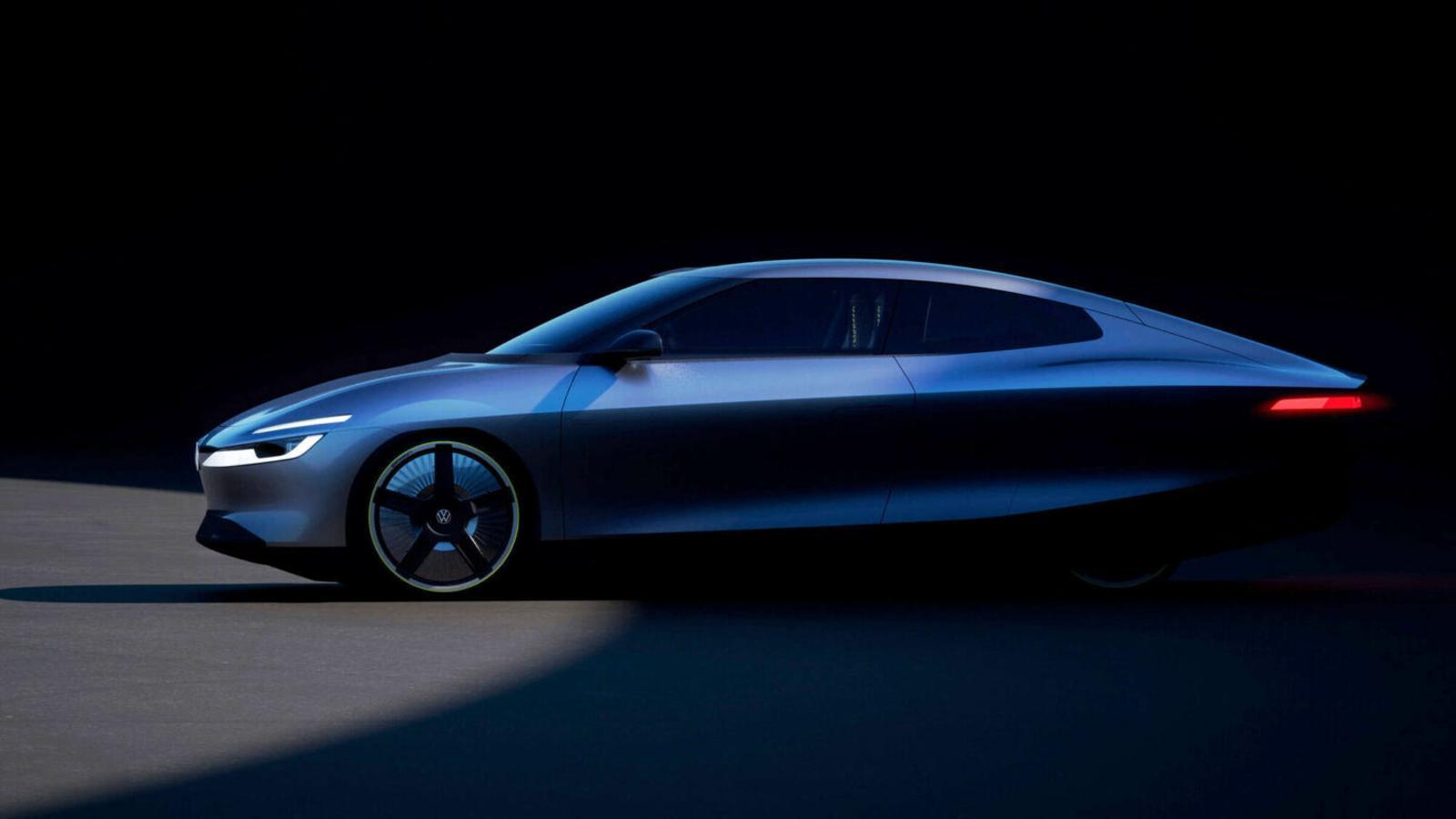
What stands out most about the new Volkswagen Mission Efficiency is its design, which recalls the shape of a water droplet and various classic models thanks to the rear of the vehicle and the rear wheels covered by the bodywork fairing. To make this specific bodywork, Volkswagen has used lightweight materials such as aluminum or CFRP (carbon fiber reinforced plastic).

This prototype does not start from scratch, as it uses the base of the MEB+ platform from the Volkswagen ID.Polo and ID.Cross, as well as the same 135 hp motor, the front-wheel drive system, and various mechanical and structural elements. Unlike Volkswagen's electric models, this Mission Efficiency incorporates a braking energy regeneration system and solar panels on the bodywork to, as the brand points out, achieve up to 30 extra kilometers of daily range under optimal operating conditions.
Record consumption
The Volkswagen Mission Efficiency is an electric and efficient vehicle prototype thanks to its careful aerodynamics, with a spectacular coefficient or drag coefficient (Cd) of just 0.158. This aerodynamic coefficient makes it, simply put, the car with the best Cd ever mass-produced.
The aerodynamic shapes of the Volkswagen Mission Efficiency and its low weight have allowed this prototype to homologate a consumption of only 6.48 kWh/100 km, on a theoretical journey of 100 kilometers at a constant speed of 68 km/h. However, this record was obtained in a laboratory, not on a real route with changes of direction, climbs and descents or normal traffic conditions. The Lower Saxony brand decided to test its car on a real route between the cities of Wolfsburg and Vienna, with variable speeds and an average speed of 67 km/h, homologating a consumption of 7.56 kWh/100 km.
A long-term statement of intent
At this point, it escapes no one that this prototype is a move by the Volkswagen brand to try to seek a turning point from the bad news that has recently been generated around the industrial group due to the loss of jobs and the closure of several factories. The Volkswagen Mission Efficiency, despite basing its architecture on production elements of models like the ID.Polo and the ID.Cross, is a car that will never see the light of day on a commercial scale.
Although this car may never go into mass production, Volkswagen's move with this prototype remains interesting, as it allows us to see the German brand's guidelines for drawing up a roadmap that responds to the electrification of the European automotive market, while setting its own profile with respect to the large Chinese manufacturers.
