Churchill is no longer worth five pounds
The Bank of England will remove historical and cultural figures from banknotes, and will put species of the islands' fauna on them

-
CAT -
CAST
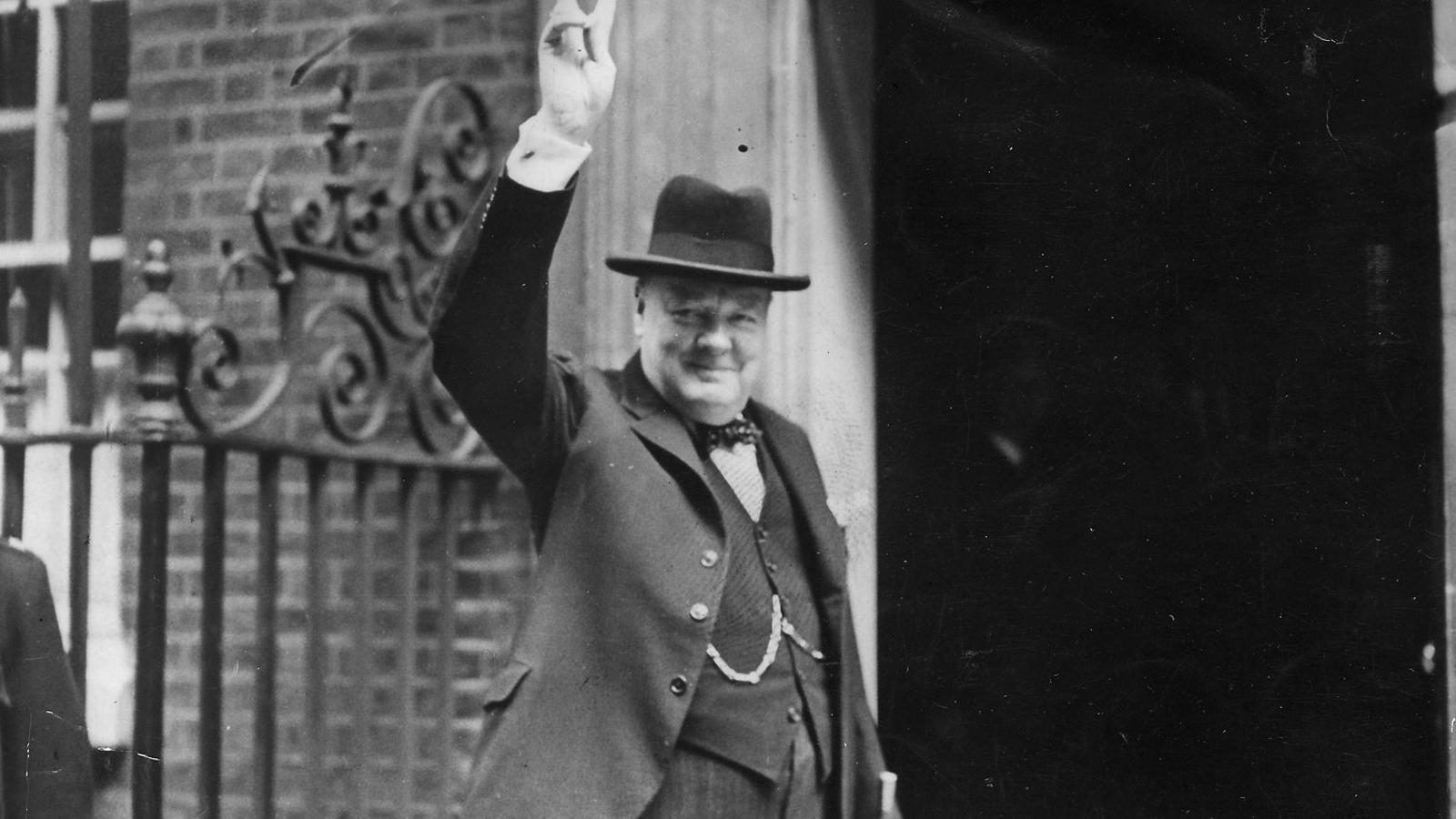
LondonThe five, ten, twenty and fifty pound notes are changing their design. Where previously, on the reverse, there was the face of Churchill, Jane Austen, Turner and Alan Turing, respectively, there will now be an animal from the British wildlife chosen from a pre-selection of eighteen, selected by a panel of experts. On June 3rd, a public consultation was opened for this purpose, which will close on July 3rd. The public can opt for, among others, the hedgehog, the puffin, the badger, the marten, the red fox or the bumblebee. The candidates to appear on the new paper money have been divided into three categories: mammals, birds and a third group that includes amphibians, insects and fish. "Can you lend me a beaver?" may soon mean "can you lend me five pounds?". And "can you pass me a bumblebee?", perhaps it will mean "can you pass me 50?" Mysteries of slang.
The initiative, which the Bank of England (BoE) periodically undertakes to improve anti-counterfeiting measures, has caused as much controversy as the list of players called up by Thomas Tuchel for the World Cup starting this Thursday
. But only for one detail. Because the fiver with Churchill's face and his inspiring words "I have nothing to offer but blood, toil, tears and sweatI have nothing to offer but blood, toil, tears and sweat

If we go by the comments of some political leaders, the Old Lion continues to be an untouchable myth in the country. And removing his face from the five-pound notes – the most common circulation for the vast majority of Britons, even now, when only 15% of the population uses cash – is little less than sacrilege.
The leader of the Conservative Party, Kemi Badenoch, has said that it all amounts to "erasing our history". The visible head of the Liberal Democrats, Ed Davey, has gone further, making a geopolitical reading of the change. "I can't think of a worse time to do it. With a war underway in Europe, we should be celebrating British resistance against the Nazis and not removing Churchill from our banknotes. He deserves something better than being replaced by a badger".
The ultra Nigel Farage, leader of the Reform Party, has not lost momentum: "Our great British banknotes bear the images of giants of our history like Winston Churchill. And now they propose to replace him with a beaver. I think it's a real absurdity."

Is it? In 2025, the Bank of England already indicated that it would begin the process of replacing the aforementioned banknotes, made of polymer, a very flexible plastic material and much more resistant than traditional paper. In a first public consultation, the themes on which the new design could be based were determined. Around 60% of the 44,000 responses received selected nature; architecture and monuments received 56% of the votes; historical figures 38%; arts, culture and sport 30%; innovation 23%; and outstanding achievements 19%. Participants could choose more than one option.
Last week, Victoria Cleland, Chief Cashier of the Bank of England, presented the 18 species eligible to accompany Charles III on the reverse of the banknotes, recalling that changes are periodic: "Since 1970, the Bank has included numerous historical figures [in addition to the monarch of the time] in its currency who have contributed to shaping national thought and values". That first year, Shakespeare was Elizabeth II's partner on the £20 note. Since then, with more or less value, Adam Smith, Edward Elgar, Charles Darwin and Elizabeth Fry, among others, have appeared.
A myth demystified
Paradoxically, if the disappearance of the five-pound Churchill has been criticized by some political leaders, its appearance in 2016 was not widely applauded. Because the Old Lion is an English hero rather than a British one, and he is admired above all by a very specific generation: those born in the immediate post-war period and the boomers (born and raised in the 60s and 70s).
A BBC poll in 2002 crowned Churchill as the greatest Briton of all time. Twenty years later, however, a new poll, in this case by the think tank think tank
Policy Exchange, showed that only one in five citizens between 18 and 24 years old still holds him in high regard. It is true, however, that 58% of those over 65 continue to view him positively. In general terms, however, Churchill now only receives the approval of 36% of all island inhabitants. And it should be remembered that approval has always been very unequal depending on where he is judged. The veneration that since the late 1960s has been awakened in England has never had a similar equivalent in Scotland, Wales, or Northern Ireland.
Winston Churchill, his times, his crimespremier
in 1965 was a key moment that fixed his heroic image on a large scale, reinforced by school and the cult in the United Kingdom of exalting resistance against the Nazis during World War II.
From a historical figure with very dark aspects – as Tariq Ali recalls in his book
Winston Churchill, sus tiempos, sus crímenes (Alianza Editorial) – he became a myth. And criticizing him is, for some, a setback for their own identity. But sixty-one years after his death, Churchill is no longer a shared or universal value for all Britons, but a figure who arouses much controversy: cultural, historical, and political. Five pounds from 2016 are worth much less than those from 1965.
