Victim and terrorist, face to face
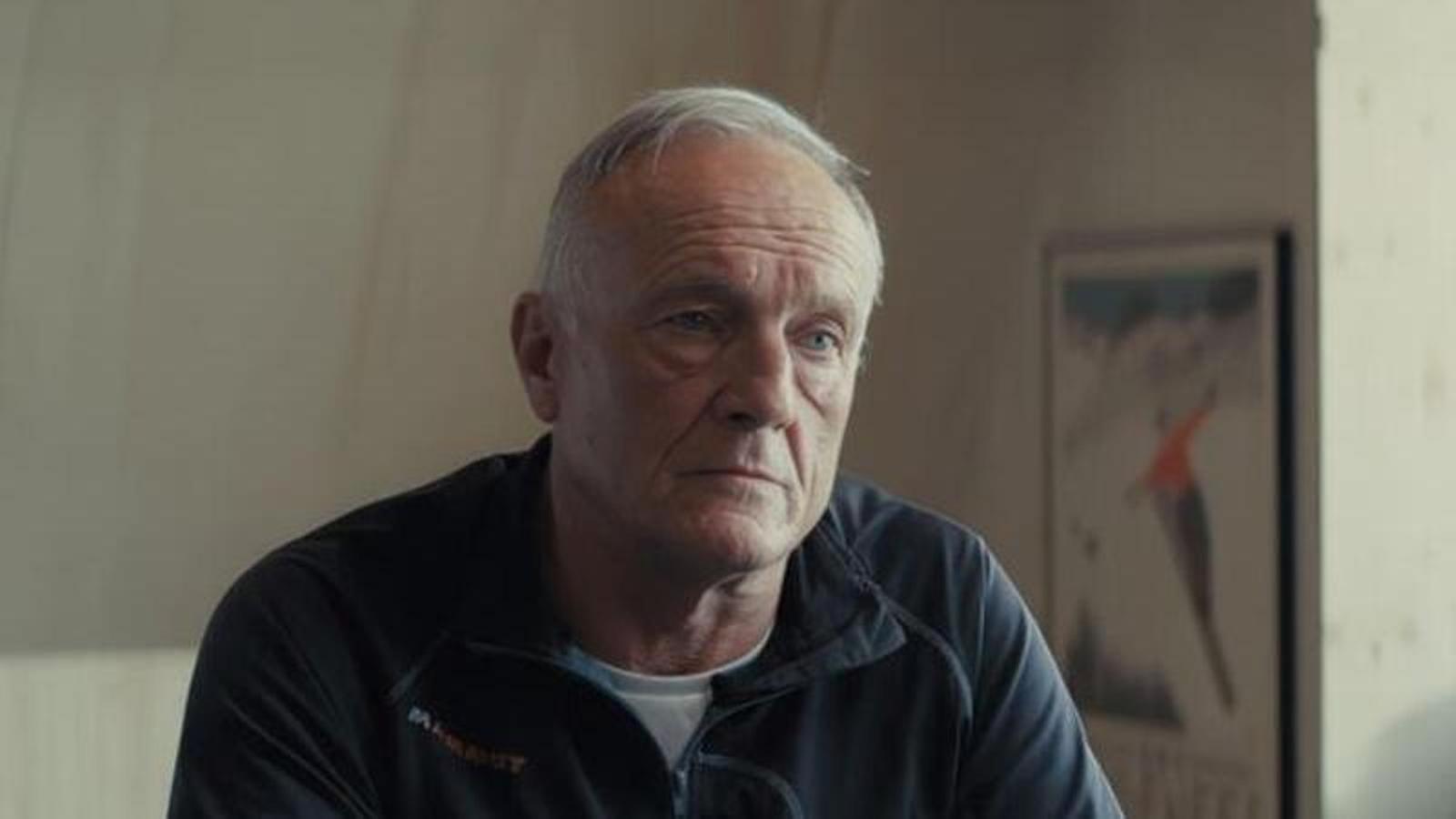

On Sunday, Salvados promoted with the episode El encuentro the meeting between a former ETA member, José Miguel Latasa, and one of his victims. In 1986, Latasa attacked Rafael Garrido, then military governor of Guipúzcoa. He blew up his car, and also killed his wife and one of his children. Forty years later, the program managed his request to ask for forgiveness from Fernando Garrido for having murdered his parents and his brother. One thing that Salvados did very well was to emphasize that the need for the meeting and the relief of forgiveness came from the former terrorist. It is important, in these situations, not to foster a symmetry between the two parties involved.These televised stagings can be delicate, because individual predisposition is often confused with a generalization to all victims and there is the audacity to interpret it as a global progress in social reparation. "Asking for forgiveness" is the new "condemning violence," a litany of a certain media impact that is repeated as if it were a demand to be achieved and that can pressure victims to have to accept it.In any case, Latasa wanted to sincerely express regret for the pain caused and admit his own wickedness without justifications. The personal temperament of both protagonists was optimal for an event like this, and the program was careful with the conditions they requested to do so. Garrido and Latasa agreed to ask that the meeting be private and without cameras. After interviewing them separately, we viewers only observed, without sound and from a distance, through a window, the initial moment of the encounter where both shook hands and sat at a table to talk. Salvados made the ellipsis of the wait explicit because we did not know what was happening inside that room. It was a good decision to do it that way, because it brings the power of the dialogue to something higher than a simple television showcase and to an emotional issue that has to do with intimacy and not with public impact. Garrido wanted to make it clear that it was a personal decision and that he was not doing it as a symbolic representation of any other victim beyond himself. He also refused to know details about the attack. He insisted that he did not want that meeting to have a political interpretation, although that is difficult to achieve.After the meeting, Salvados interviewed the protagonists again individually. It was indecent, by the way, the poor taste of La Sexta in how it managed the commercial breaks to create suspense. First, the ex-terrorist Latasa admitted to being very emotional and having experienced a feeling of tranquility. He had been especially moved to have the opportunity to hug Garrido. Garrido expressed that the encounter had been worth it and he could be seen as shaken by what had just happened: “Esta noche estaré hecho polvo”, he said. Certainly, despite the apparent sincerity of the gesture, the program left a bitter and sad aftertaste.
