The story published in ARA that ended up in the 'Financial Times'
The opinion article published in ARA by Anya Schiffrin, associate professor and co-director of the specialization program in technology policy and innovation at Columbia University's School of International and Public Affairs, has been recommended in the British newspaper 'Financial Times'.
-
CAT -
CAST
An opinion piece in which Anya Schiffrin, a tenured professor and co-director of the specialization program in technology policy and innovation at Columbia University's School of International and Public Affairs, explains her personal experience with the Catalan public healthcare system has been recommended by the British newspaper Financial Times. The journalist who cites it is Rana Foroohar, a business columnist and deputy editor of the publication, who describes Schiffrin's "excellent" piece as a paradigmatic example of the shortcomings of the American healthcare system. "My friend Anya Schiffrin and her husband, Joseph Stiglitz, have experienced the same thing I went through years ago when I lived in Europe: the healthcare system is better there," the journalist says in a newsletter sent to readers of the prestigious economic newspaper.
In the article, titled "Invest in public healthcare, don't privatize it" and published in ARA last Friday, Schiffrin explained in the first person the problems that Americans face every time they have to go to the doctor, especially in life-or-death situations. Specifically, the professor recounted how this summer her husband, Nobel laureate in economics Joseph Stiglitz, underwent a procedure at Mount Sinai Hospital in New York. Far from returning cured, the man arrived bleeding, in pain, and with an "alarming" rash that had flared up.
When Schiffrin and her husband explained the new symptoms to the doctors, they were redirected from specialist to specialist without finding any solution and, above all, without anyone taking the discomfort "seriously". "Over a period of three months, we were referred to two dermatologists and two more experts, and then he tried four rounds of antibiotics and a PET-CT scan," explains the professor. In fact, shortly before the couple traveled to Catalonia, a doctor took one last look and gave him the go-ahead to travel across the Atlantic with a simple statement: "Maybe it will heal on its own."
From New York to Girona
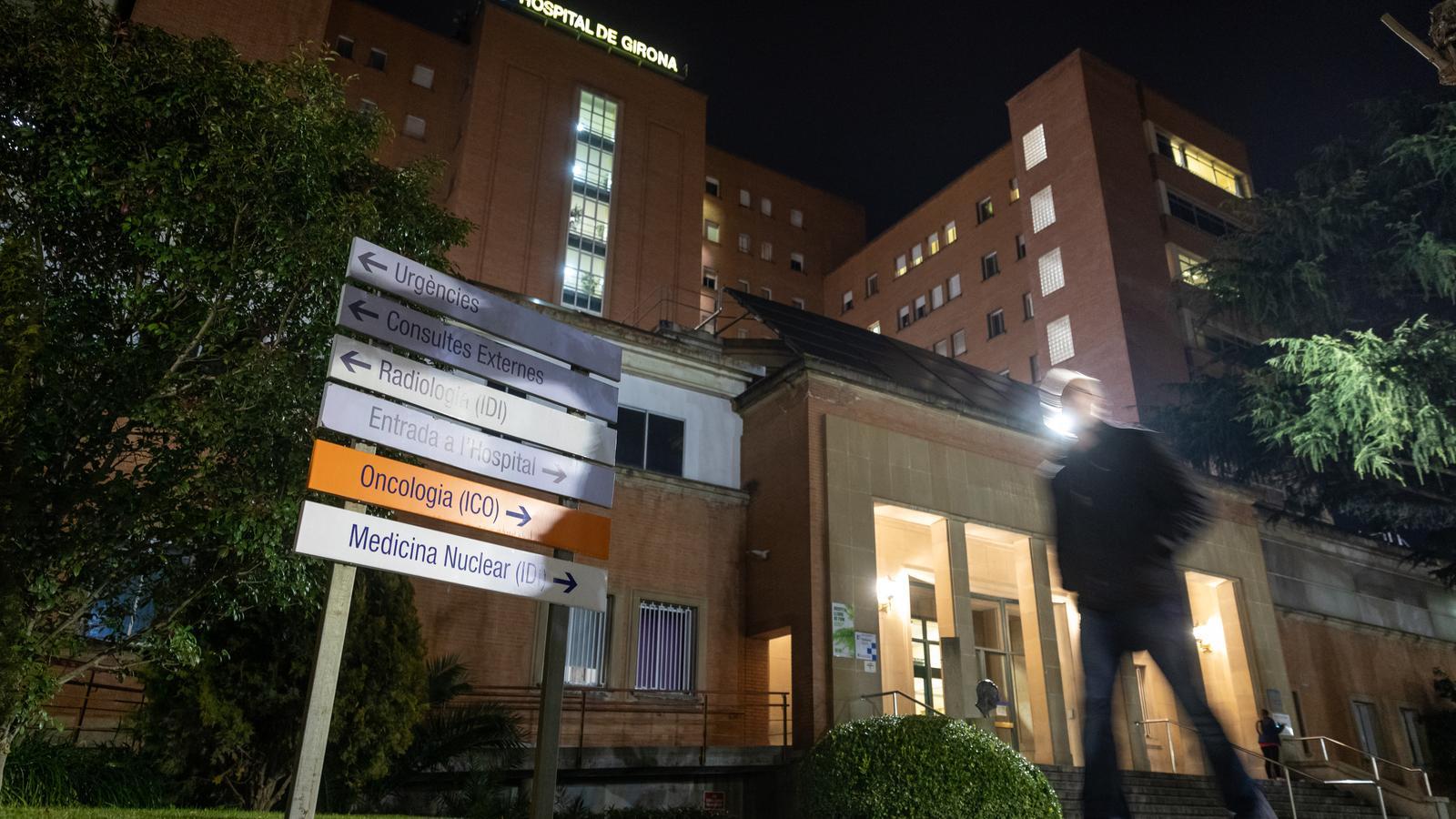
According to Schiffrin, speaking to ARA, medical treatment in Catalonia was very different. After an initial examination, they were sent to the emergency room of the Josep Trueta Hospital in Girona, and they immediately saw that Stiglitz had a serious infection and admitted him immediately. The professor explains that one of the Catalan doctors recognized her husband, but this fact did not change the treatment in any way. "I know who you are, but here we treat everyone the same," they told him. "I think they saved his life," the professor states in her article.
The professor, who recently obtained Spanish nationality, closes the piece with a reflection on the contrasts between Trueta and the New York hospital. "Unlike in Spain, where healthcare is public and paid for by taxes, in the US we have a private system where costs are out of control [...]", says Schiffrin. Therefore, in the article, the professor not only takes the opportunity to thank the work of the Spanish public healthcare system, but also advocates for its defense. "Invest in public healthcare, do not privatize it. You don't know what you have until you lose it," she concludes.
