The spiral of Kim Novak
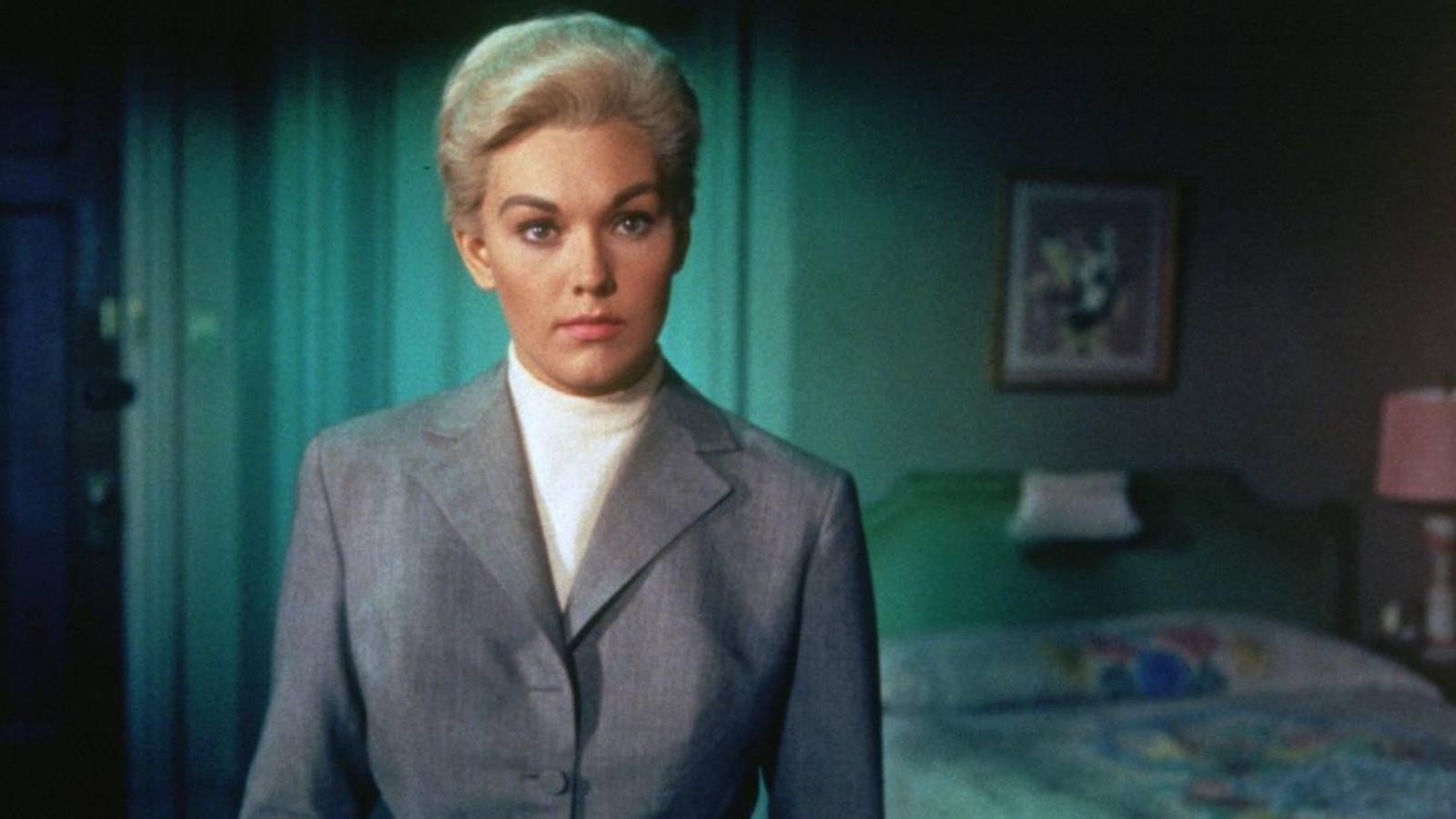

Film fans and die-hard Alfred Hitchcock admirers will find on Movistar+ a documentary that connects with the universe of Hollywood and one of the great films by the king of suspense: Vertigo. Alexandre Philippe, the director of the documentary, defines it as a session of cinematic spiritualism over which Hitchcock's spirit hovers. The protagonist is the actress Kim Novak. At ninety-three years old, she feels she is in the final stretch of her life. As soon as it begins, the camera moves gently through a garden where the last ray of sun of the day arrives. We hear her with a thin voice and difficulty breathing. Novak explains: “I doubt if I'm doing the right thing by recording this, because I don't know what will come out of what I say, of what I want to say. What do I want to say exactly? Is it about this? About what I want to say? About what I think? About what I feel? I don't know what I'm expected to feel or think. [...] I have suffered a lot. Recently I had a bad fall and I'm short of breath. It's hard for me to keep breathing. Maybe I'm wrong. Maybe I'll live to be a hundred! Who knows! But right now I feel like I'm very close to the end”. The camera moves closer to the door of a house and penetrates inside. The image stops on the wooden volute of an armchair that reminds us of Novak's bun in Vertigo. Then, finally, we see her, painting a picture.
A Kim Novak’s vertigo (Kim Novak's Vertigo), the actress reviews her career in a circular sense, like the film's spiral. It is not a traditional biography. Novak guides us through her thoughts as she reviews photo albums, empties boxes, and recovers the emblematic gray suit jacket she wore in the film. Amidst the memories, fragments of films she starred in or that marked her career emerge, serving to illustrate lived circumstances, even if allegorically. She recalls childhood traumas, but above all emphasizes what she calls "the ghosts of Hollywood." She explains it all with a certain mystery. Just like in Vertigo, the actress talks about the difficulties of connecting with her own identity from the moment she became a star. At the height of her career, Novak left Hollywood. Kim Novak’s vertigo recalls other documentaries made in recent years in which great actresses,
sex symbols of the film industry, reappropriate their own stories. They cease to be just a body, an object, an idealized image, to reclaim their voice and explain how they felt and how they suffered.Vertigo. But it also conveys the comfort of a survivor's story.
