Stephen Colbert is saying goodbye
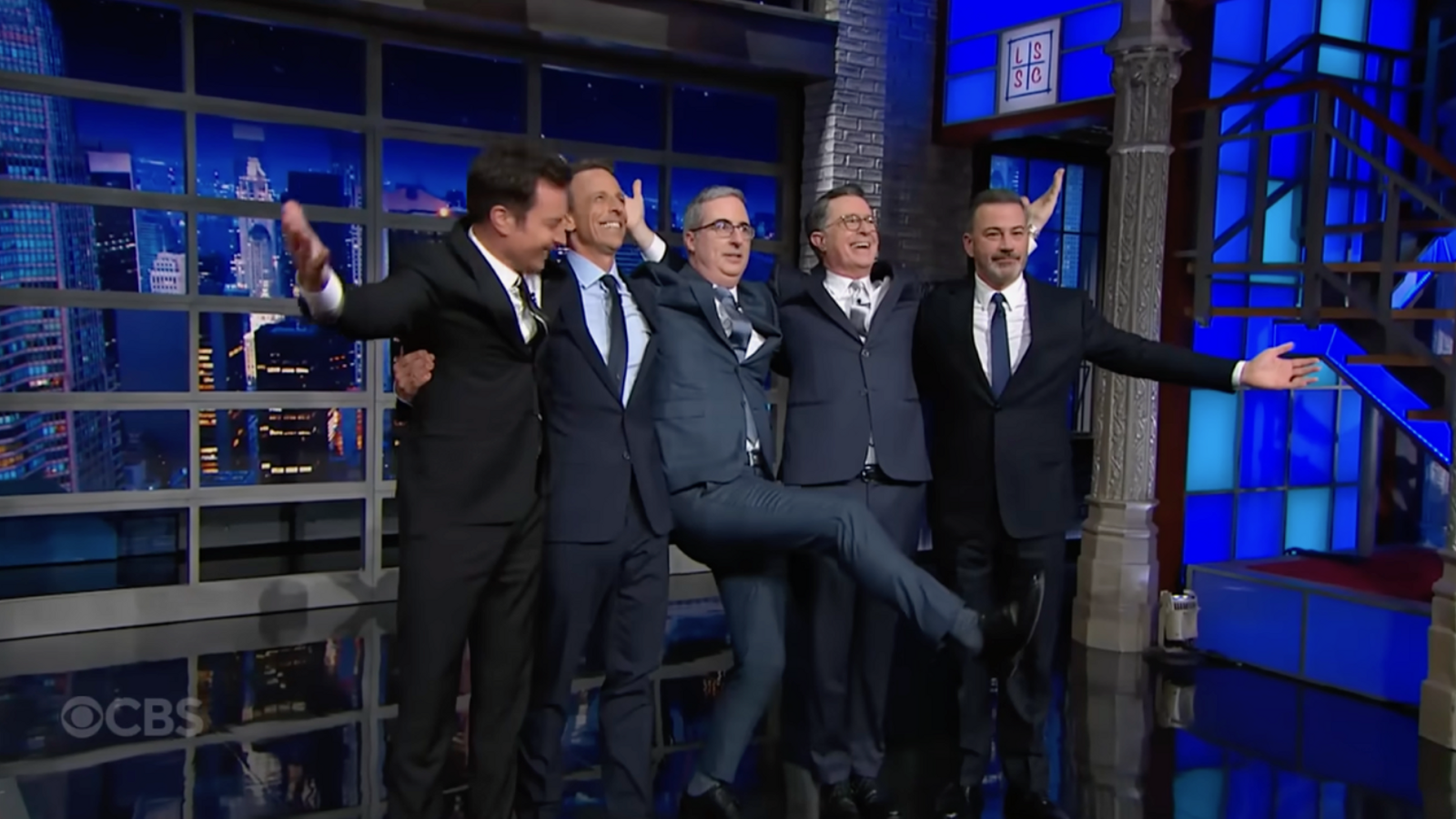

Next week CBS will close The late show with Stephen Colbert. It says goodbye to its main star and puts an end to the historic late night franchise that opened in 1993 with David Letterman. The network has attributed it to the program's economic losses and the crisis of this genre, which is declining in viewers and advertising revenue. But behind it are more powerful reasons: Donald Trump's pressures in a very hostile political context. Stephen Colbert has been, in recent years, one of the toughest television voices against the president. And the chronology of events reveals that Paramount (the parent company) has sought the administration's favor for the benefit of its business interests, in exchange for handing over Colbert's head. In recent weeks, the presenter has been saying goodbye to the audience by inviting influential people to highlight the end of an era. This Monday he organized a historic meeting. He brought together the four colleagues from the other late nights that are usually competition. Jimmy Kimmel (ABC), Jimmy Fallon (NBC), Seth Meyers (NBC), and John Oliver (HBO) visited Colbert's show to honor their colleague before he closes shop. They call themselves the Strike Force Five. It's the name of the podcast they made together during the writers' strike to raise money to pay their crews. John Stewart, whom they considered the “designated survivor”, did not attend. The concept has to do with government meetings, where there is always one member who stays out of the office so that, in case of a catastrophe in which everyone dies, there is always an authority to manage the nation. “Someone among us has to survive so the president can get angry,” they joked, aware that television nights have become a hostile adversary for Trump. Colbert reflected with them on the possible crisis of the late night, which they logically denied, although the figures also suggest it. “Have you ever thought you would do a job that the President of the United States could not stand?” he asked them. The responses betrayed a certain celebration of this circumstance. The host suggested that, now that he will be free, he would offer to be a guest on their respective shows or to replace them if they want to take vacations.Last week Colbert interviewed Barack Obama, and the comedian joked about the need to find a new job. Both played with the speculations that Colbert could run as a candidate in the next White House elections. Obama hinted to him that "the bar has been lowered," referring to the demands to obtain the position. A clear allusion to Trump. For the moment, they are only rumors, but all of this reminds us how the line between the world of politics and entertainment has blurred. We have known for a long time that media figures can reach the presidency. But late nights have also ended up having a decisive influence on politics and opinion creation.late nights have also ended up having a decisive influence on politics and opinion creation.
