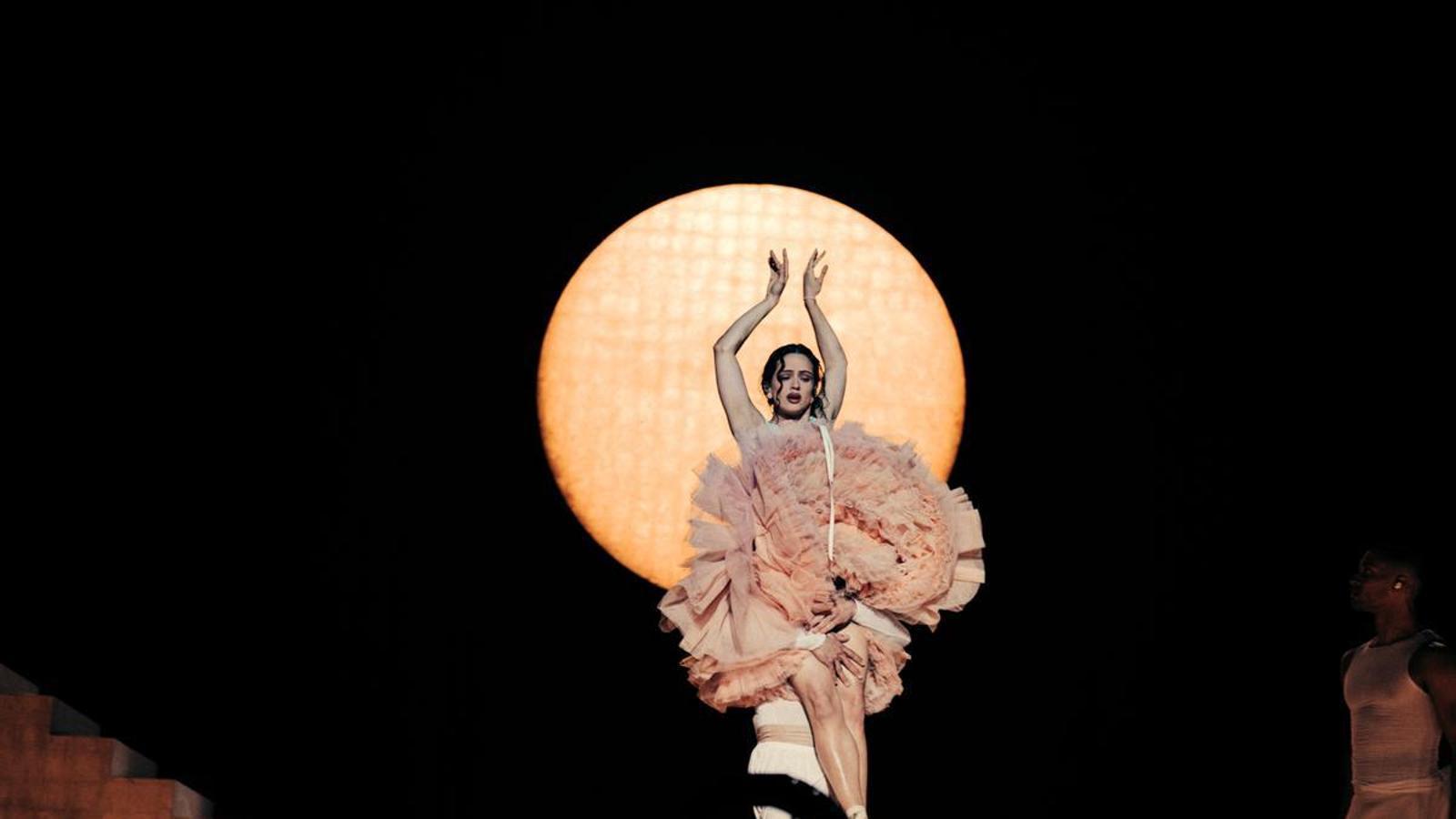

Sports journalism has become complicated because big stars now live sequestered and it is much more difficult to access them. With culture, the same thing happens: more and more major international concerts impose stricter restrictions on the access of photojournalists. The case of Rosalía is emblematic. In La Vanguardia, the chronicle of her concert in Madrid was a mobile phone photograph taken by the editor. It filled the space intended for the image, of course, but it did not have the quality standard of a portrait taken with a professional camera and from the pit, a few meters from the action. A photojournalist who had worked for the publication complained about the intrusion, but –although she was right in substance– it is also true that the primary obligation is to the reader, who would not understand a full-page chronicle without a photograph of the event (unless, as an act of protest, the media as a whole agreed to publish a black box, with a brief explanatory text). In El Periódico they opted to publish a past snapshot from the Brit Awards, which had nothing to do with the concert. On the ARA website, the chronicle of the Lyon concert featured a photo taken by the author of the chronicle between midnight and two in the morning, which was when Live Nation deigned to provide the official images (also a bad solution, because it goes against the basic principle of being the one who chooses the photograph that best represents that show).
From the outside, it may seem like a trivial matter if the image was captured by a photographer from their team and it turns out this way or that: it will surely be a great shot. But the act of allowing an external gaze, that is, journalism, is at stake. And it is strange that it is artists –often wrapped in elaborate conceptualizations and a patina of morality to sell their wares– who allow this unfriendly, homogenizing, and unsolidary blockade.
