'In vitro' does not find its DNA
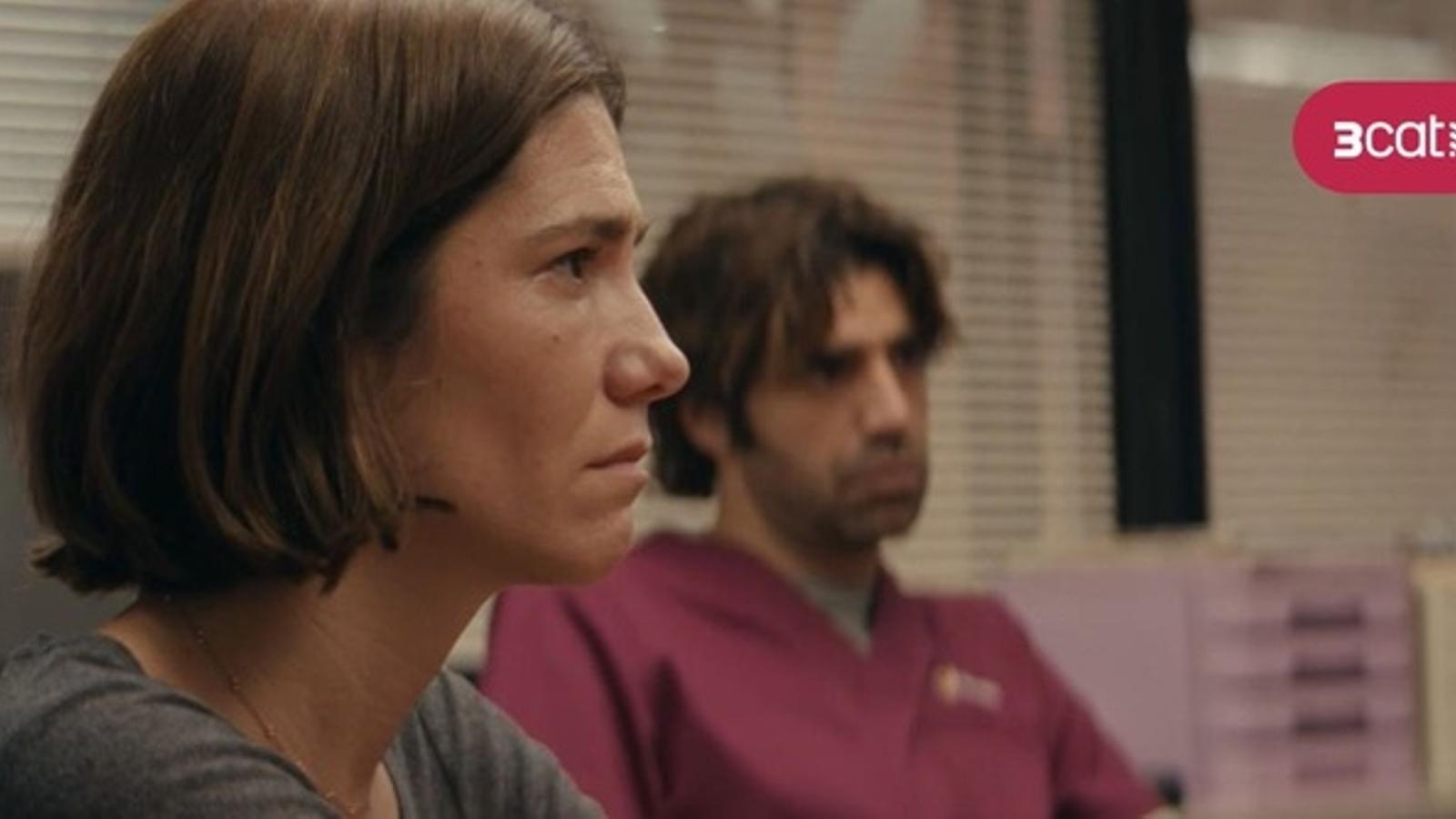

On Monday, TV3 premiered In vitro, a series that takes place in a fertility clinic. An innovative idea that, inevitably, forces a balance between comedy and drama. On one hand, the humor typical of work environments and everything related to sex and the intimacy of a couple, and on the other, the suffering that surrounds the difficulties of conceiving a child. Added to this are the human miseries surrounding expectations about offspring and the female universe in complex hormonal situations. A common aspect in many contemporary fictions also emerges: the normalization of an immaturity and infantilization of the characters that enhances the drama of any circumstance, however insubstantial it may be. All in all, a very fertile context for building fiction. In vitro asks, or rather, begs the viewer for a good dose of condescension regarding plausibility. One thing is the reality of reproductive processes and another, very different, is for the characters' actions to be hardly credible: a researcher tricking music students into donating eggs that will satisfy a pianist's longings, or a devoted wife trying to put her husband's semen into a jar, without him noticing, with a furtive straw in his law office. Fried eggs and bananas will become symbolic elements to enhance this zygotic breeding ground. zygotic.
The series has a very appealing cast for the audience, but the performances are rather mediocre, and not because of the actors. The direction is poor because the tone of comedy being sought is not well defined. It does not find its DNA. There are times when it seems to drift into a more unhinged humor of sitcom, others in the ease typical of a light comedy and sometimes in a more caustic humor typical of medical fictions. This makes the tone erratic and both the actors and their characters are disoriented when it comes to adapting to it. They navigate between histrionics and naturalism. It is as if each sequence forced them into a different exercise. The dialogues do not help. The mechanics of the writing are perceived, and it underscores the screenwriters' witticisms more than the spontaneity of the interventions. Some characters, rather than archetypal, fall into caricature. They behave as if they were aware that they are part of a televised comedy. Perhaps due to the logic of the plot, the female characters become more luminous than the male ones. They are the engine that moves the gears. The series has named the character played by María Pujalte as Ángela Veiga. One senses a nod to Dr. Anna Veiga, a pioneer of assisted reproduction who achieved the first birth by fertilization in vitro in Spain. Given the bitterness of the character, it is one of those tributes that perhaps does not cause as much excitement.
In vitro has moments with the nuances of someone who has gone through the experience of assisted reproduction, but also the jolts of a creative laboratory that has not yet stumbled upon the formula.
