The Catalan Tourism Agency also promotes screen tourism through various film routes that invite you to experience the region in a different way. They propose five major routes that allow for an understanding of how audiovisual productions help reinterpret the territory from a cultural and experiential perspective. Each route – rural Catalonia, the coast, cities, historical destinations, and architecture – outlines a different way of traveling using film heritage as a common thread. One of the examples is the coastal route, which passes through, for example, Cadaqués, Tossa de Mar, Begur, or Lloret de Mar, focusing on locations such as Cala Sa Boadella, which was transformed into a Caribbean beach for Sahara, starring Penélope Cruz and Matthew McConaughey. The journey continues through Maresme, where Arenys de Mar recreated Catalan high society of the 1920s in Vida privada, until reaching Garraf, specifically Sitges, the setting for the series ¿Quién es Erin Carter?. A coastal route that leads to the Ebro Delta, the location where U2 filmed the music video Vertigo. You can consult the five routes here.
From Cardona to Almería: A route through the towns that have been the setting for films
The Network of Film Towns is born, which aims to turn small towns with interest for screen tourism into a new center of attraction
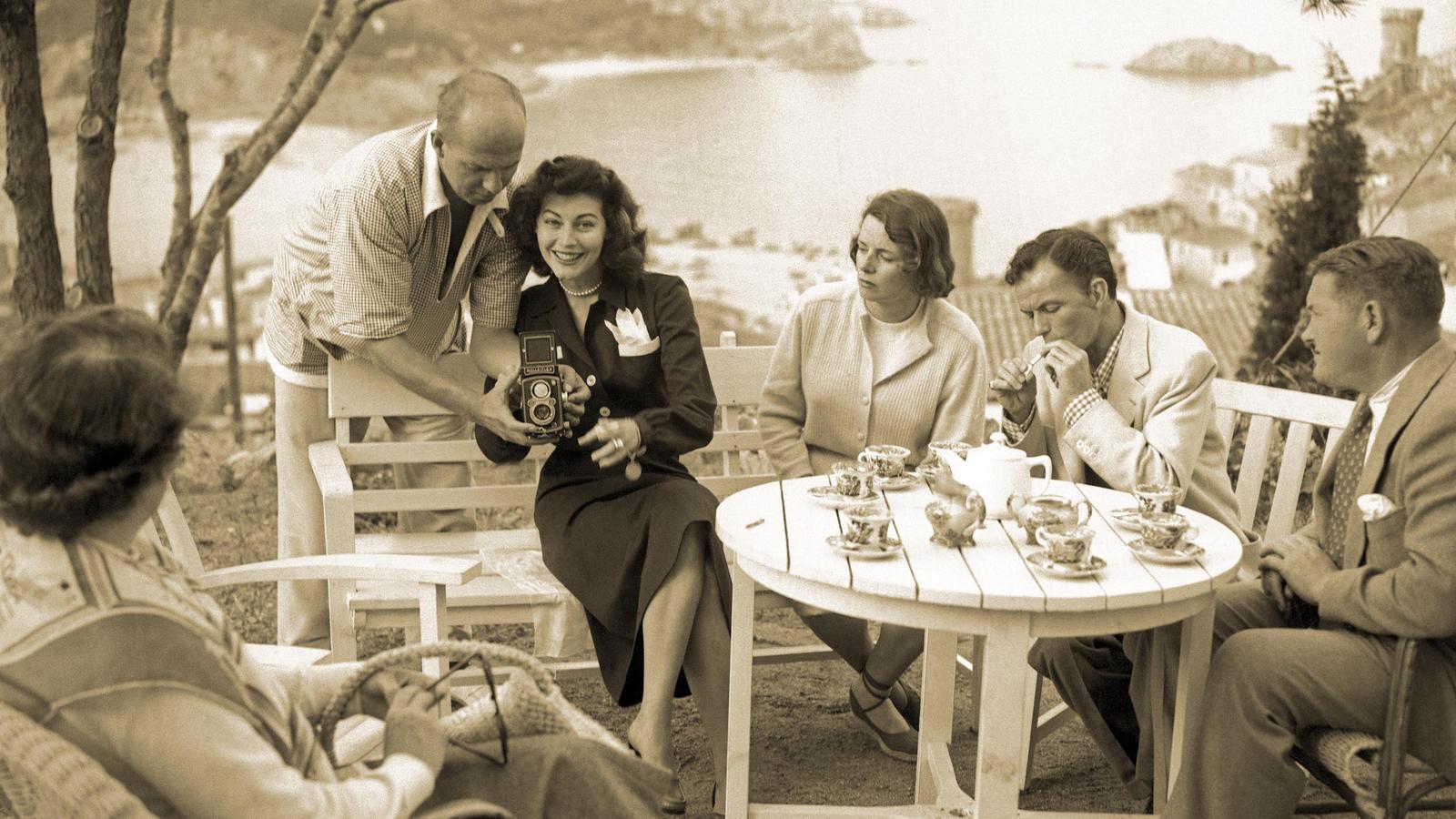

BarcelonaWhat do localities like Tossa de Mar, Cardona, Bielsa, or Aýna have in common? Well, among other things, their undeniable tourist appeal, but also the fact that they have been the setting for landmark films such as Pandora and the Flying Dutchman, Chimes at Midnight, Palmeras en la nieve, or Amanece, que no es poco. These are four examples of locations that fit perfectly into what is known as screen tourism, a type of cultural tourism that drives visits to destinations, landscapes, or cities that have appeared in or are related to films, television series, or audiovisual productions of all kinds, such as documentaries, video games, or commercials, as well as events linked to the audiovisual world, such as festivals or themed gatherings. It is an upward trend that has been experiencing significant growth since the advent of streaming platforms and leads viewers to visit the settings where their favorite stories were filmed.
It is estimated that around 80 million travelers choose their destinations based on films and series, and this causes an interesting economic impact on the cities that have hosted the filming, as it promotes sustainable tourism that showcases local culture and heritage through the audiovisual industry. Major cities such as Barcelona, Girona, Madrid, or Seville promote this type of tourism to attract new visitors through their Film Offices, and in this context, the Network of Film Towns has also been created, which, after only a few months of existence, already brings together about twenty towns linked to screen tourism from all over Spain.
Ana Alonso, president of the Network, explains that the origin of the initiative comes from further afield, specifically from the action that three years ago was driven by the consultancy Travelling Set, which works specifically in the screen tourism segment. They realized that in rural areas or small municipalities there is also an important film or audiovisual legacy that was not being fully visualized and that, on occasion, had been fading away. For all these reasons, they saw clearly that a project had to be launched to allow them to "take advantage of this cultural legacy to attract visitors or for residents themselves to revisit and highlight their city". Alonso recalls that Spain is an area where there are more and more film shoots, "and thanks to streaming platforms there is a lot of content filmed here that is seen all over the world". They understand that this impact must be leveraged to promote and generate interest in these destinations. The Network offers collaborating towns advice, training, and meetings to share experiences, while also providing support to achieve greater visibility or create specific routes, for example.
In short, the president of the Network of Film Towns explains that the intention of the initiative, to which only towns with fewer than 20,000 inhabitants can belong, is to help discover these magical places where films, series, directors, and actors have left their mark. And she emphasizes: "When we talk about screen tourism, we are not just talking about locations, but we are also thinking about other attractions linked to the audiovisual world such as film festivals, museums, themed events, or even people".
On the Network's website you can find the towns that are joining the initiative, as well as others that are not yet part of it but fit perfectly with the project's idea. The first two Catalan towns to have joined the Network are Cardona and Tossa de Mar.


