A cosmopolitan city
-
CAT -
CAST
When we still thought that the phenomenon of low cost and Airbnb would not change the world for the worse, the family formed by Judith, Robert, and the two little ones, Marc and Mateo, headed towards Cassà de la Selva to catch, first thing in the morning, a flight bound for London. Since the flight was delayed and they had time to kill, they decided to stop by Santa Coloma de Farners.
It was market day and, among the pedestrians and stallholders, many men with turbans and long beards proliferated, as well as women in tunics with their eyes rimmed in black. The clothes were always in cheerful and expressive colors, such as saffron orange, lime green, or bright red, which contrasted strongly with their skin tone. Judith and Robert investigated what this presence was due to and discovered that it was a specific concentration of people of Indian origin, especially from the Punjab region; a rootedness that began with the arrival of the first workers and which, thanks to word of mouth, created a stable community of women, men, and children fully schooled in the town.
That walk through Santa Coloma left Marc and Mateo quite confused. Because there was so much diversity, the children thought they had already arrived in England ahead of time. In the end, the memory of Santa Coloma remained stored as if it were the first neighborhood of London they had visited.
Some time ago, when we were all white on the outside and gray in our thinking, we lived in a reality so, so, so homogeneous that any small different detail caught our attention; someone speaking with a different accent, dressing differently, of another race... Back then we traveled to see the world and to be dazzled by the music, the architecture, the fashion, the art, and the different people. We sought that richness and boasted of living cosmopolitan experiences: "Today we can have a falafel for lunch on the street, here near Notre-Dame, and at night we can sit down at a bistro"; "English food isn't worth much, but in London you will find all kinds of cuisines from all over the world, the Indian one is spectacular"; or "They make lacquered duck with rice in Chinatown, right by Broadway. The ducks are hanging in the window. Further to the right, in Nolita, there is a brutal Russian restaurant; ask for Ernesto, he is a very nice Bolivian who will explain everything to you".
Then we would return home fascinated, exclaiming that those were indeed real, important, and cosmopolitan cities, while we looked at our own reality with the disdain of someone who considers it provincial.
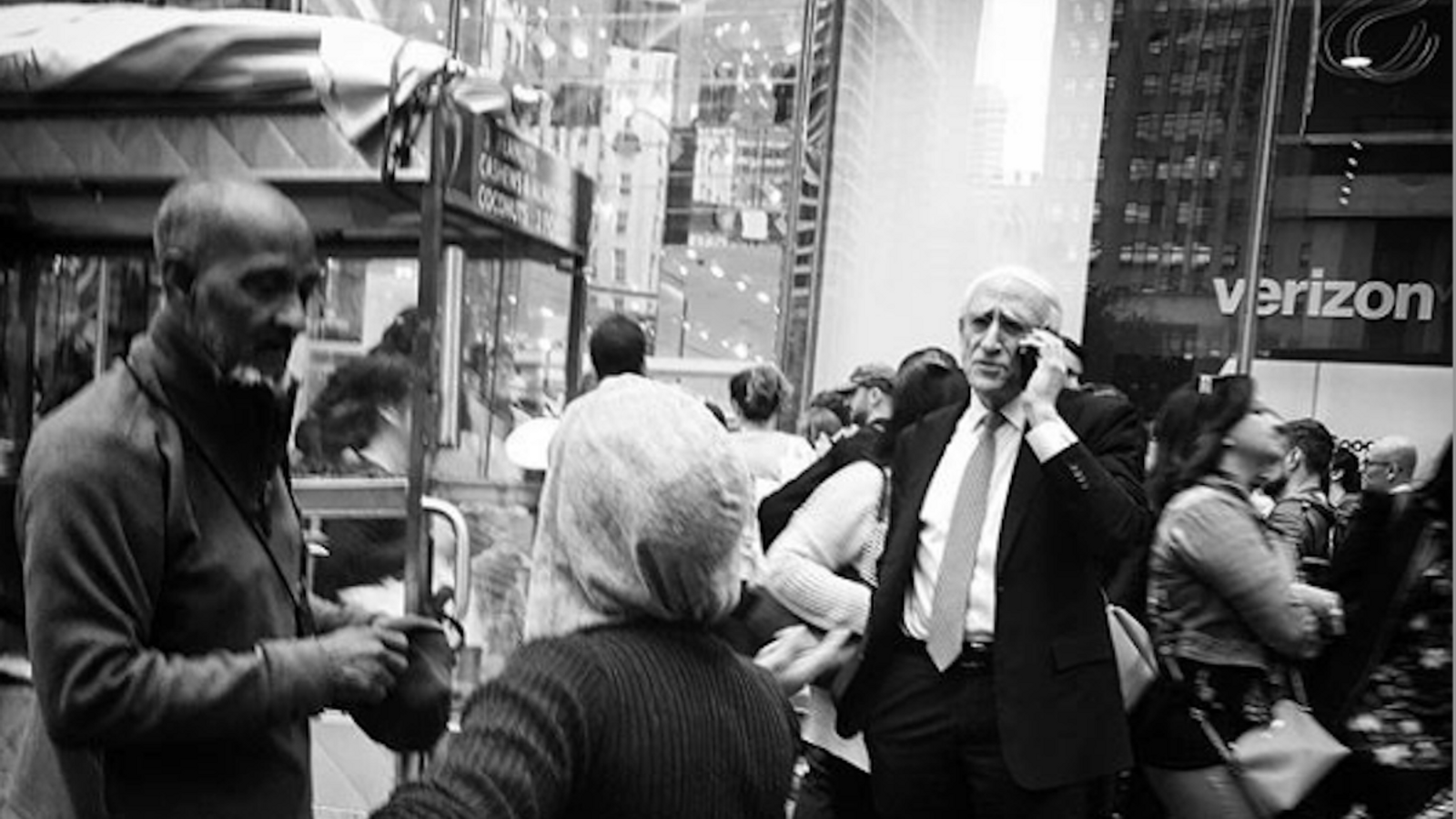
But which cities are we talking about? Well, the usual ones, Paris, London, and New York, which are the capitals that largely move the world. Cities where, from artists to executives, everyone is eager to settle and work. Cities that everyone wants to go to because they are an inexhaustible source of inspiration for museums, independent art galleries, major theatrical and operatic premieres, music festivals, contemporary dance performances, or the power of their fashion and their street art. In short, for the exultant energy they transmit. And nothing, absolutely nothing of all this, would be possible, in large part, without the mixture, the cross-breeding, the diversity, and the cultures that coexist there. Perhaps now we no longer want to be that capital we desired so much before the Olympic Games; perhaps, simply, we want to live in a smaller world. It seems that you cannot have everything.
