The Supreme Court stops Trump's attempt to restrict mail-in voting in the legislative elections
The decision means a victory for the democratic states a month and a half before the midterm elections
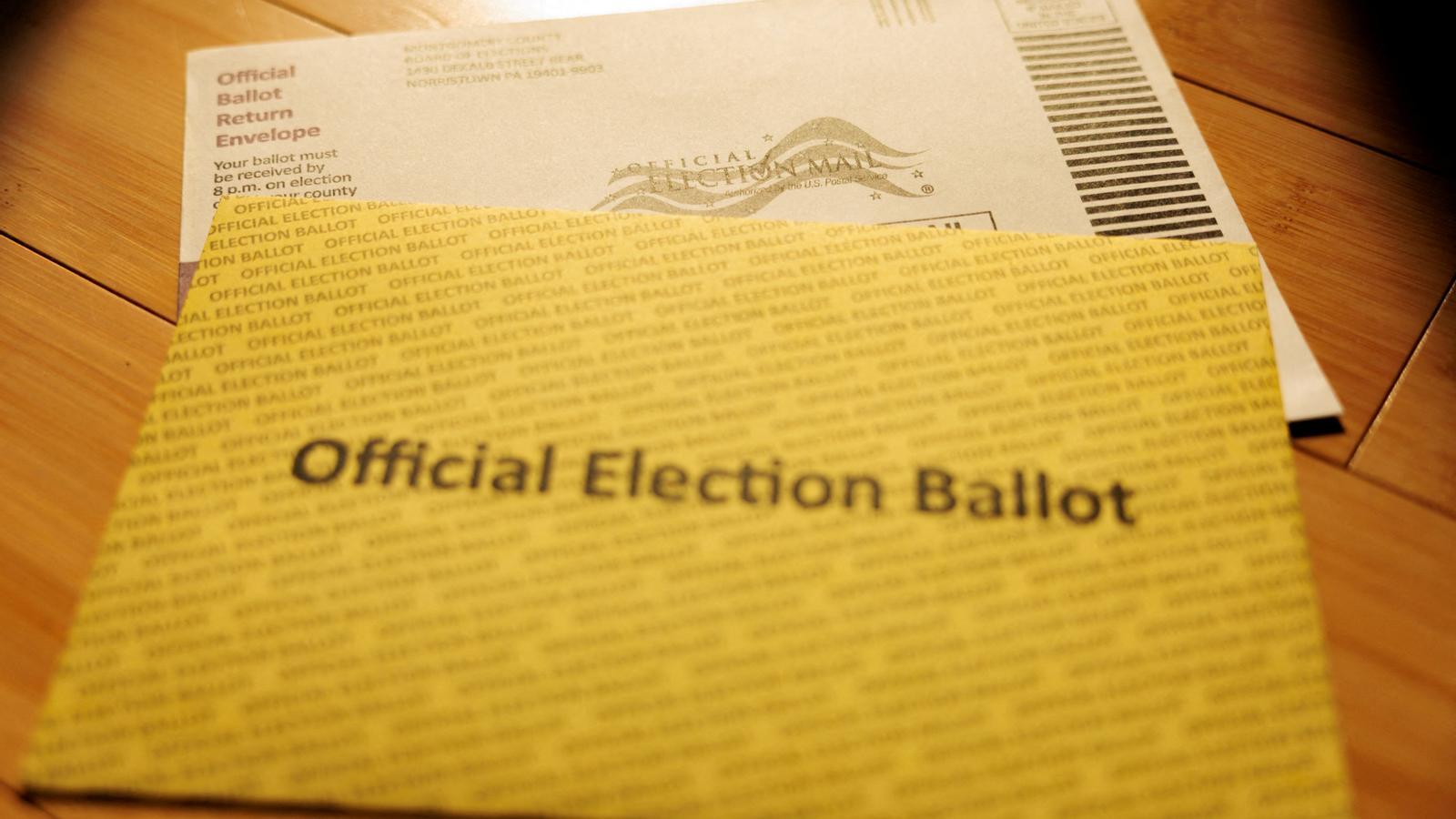
BarcelonaThe United States Supreme Court has blocked President Donald Trump's attempt to restrict mail-in voting ahead of the November midterm elections, which allows states to maintain the procedures they have used until now to send and receive ballots. The high court has upheld two previous orders, from a federal judge in Boston and another in Washington, which temporarily prevented the United States Postal Service from applying new requirements for mail-in ballots.
Conservative judge Brett Kavanaugh has admitted that the new rules should not be applied in this year's elections because there is not enough time to implement the changes, although he has left open the possibility of supporting the restrictions in the future.
Trump relied on his March executive order to limit mail-in voting – a third of the total in the US and mostly Democratic – using theories of alleged electoral fraud.
The Administration defended the measures as a way to strengthen the security and integrity of mail-in voting, while its detractors argued that the postal service was exceeding its authority and that the new requirements could hinder the vote of citizens whose ballots did not meet the new conditions.
The rules for requesting, sending, and counting ballots vary among states, and this very diversity of procedures has been one of the points Trump has used to try to modify the rules. The Supreme Court's decision maintains, for the moment, the blockade on Trump's attempts at restriction, but the litigation over the legality of the regulations continues.
Some states have already begun distributing mail-in ballots for the November 3rd elections, in which the 435 seats of the House of Representatives and a third of the Senate are at stake.
Victory for Democratic states
The ruling is good news for states led by Democrats. "Today is a good day for democracy, the rule of law, and the American people who seek to exercise their constitutional right to vote," said California Governor Gavin Newsom. "Finally, fifty days later, Americans have certainty regarding our country's electoral process: voting is safe, and mail-in voting is accessible to everyone who needs it," he added.
The American Civil Liberties Union (ACLU), which represents voting rights organizations in the case, has also celebrated the Supreme Court's decision. "The president does not run our elections, the postal service has no right to decide which ballots count, and voters will decide the November elections, not the White House," said Sophia Lin Lakin, director of the ACLU's Voting Rights Project, in a statement.
